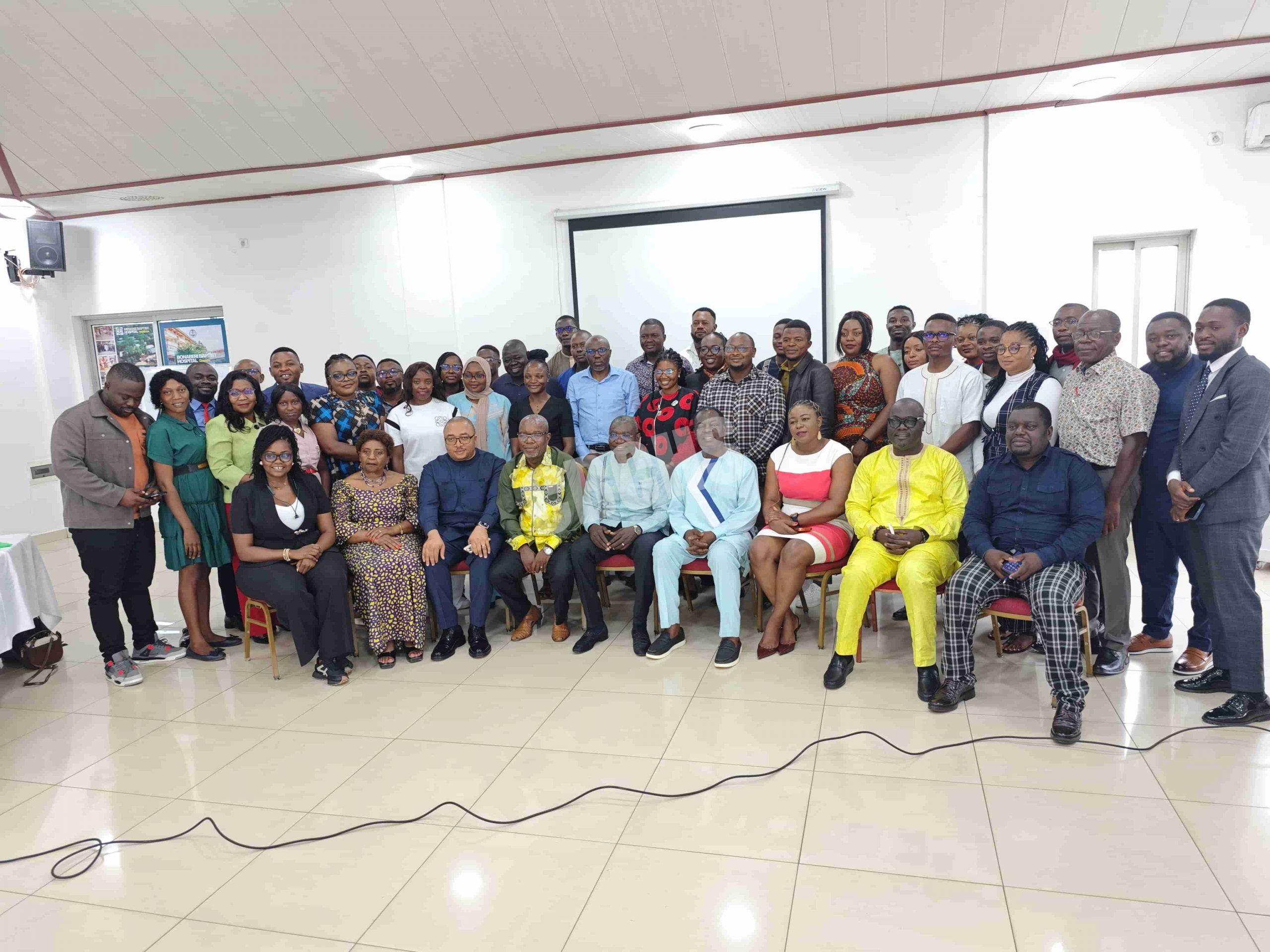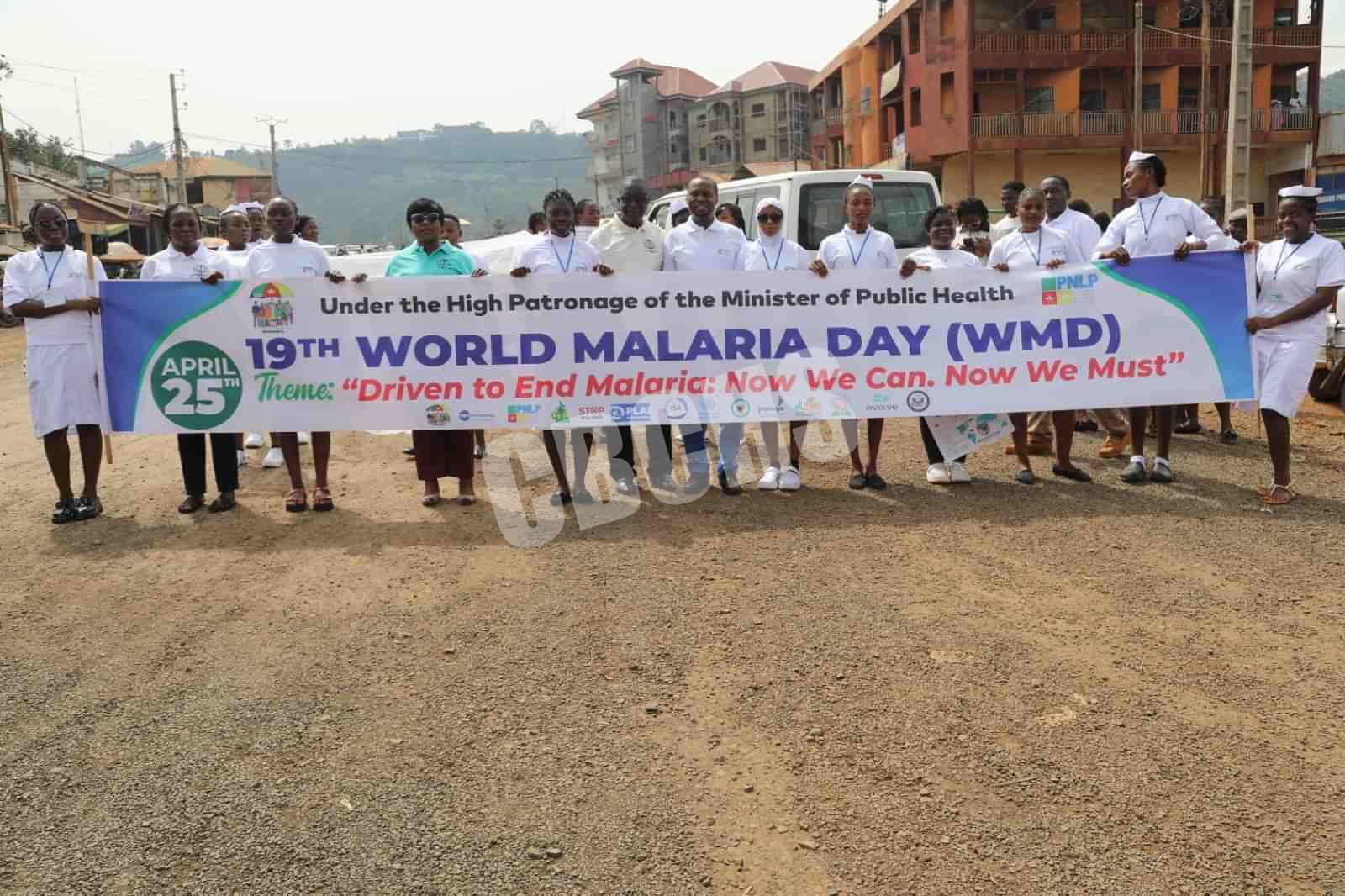
Every year on April 25, the global health community marks World Malaria Day—a moment to reflect on progress, confront persistent challenges, and renew commitments toward eliminating one of the world’s deadliest yet preventable diseases. At the forefront of this fight in Cameroon is the Cameroon Baptist Convention Health Services (CBCHS), whose work continues to transform lives, especially in rural and underserved communities.
A Growing Impact in the Fight Against Malaria
Over the years, CBCHS has made measurable strides in reducing malaria cases through a comprehensive and community-centered approach. Beyond treating patients, the institution has focused on strengthening the entire health system.

A key pillar of this progress is health workforce development. Through its Malaria Control and Prevention Program, CBCHS has trained diverse healthcare providers in malaria diagnosis, case management, documentation, and reporting. Community Health Workers (CHWs) have been equipped to conduct active case finding, refer severe cases, and educate families—bringing life-saving knowledge directly into homes. Pregnant women and nursing mothers are routinely coached on the correct use of insecticide-treated mosquito nets, a critical preventive measure.
Equally important is community awareness and behaviour change communication. Each year, CBCHS reaches hundreds of thousands of people through targeted education campaigns using posters, brochures, community outreach, and both traditional and digital media. These interventions are not just about information—they are about transforming beliefs and practices that influence health outcomes.
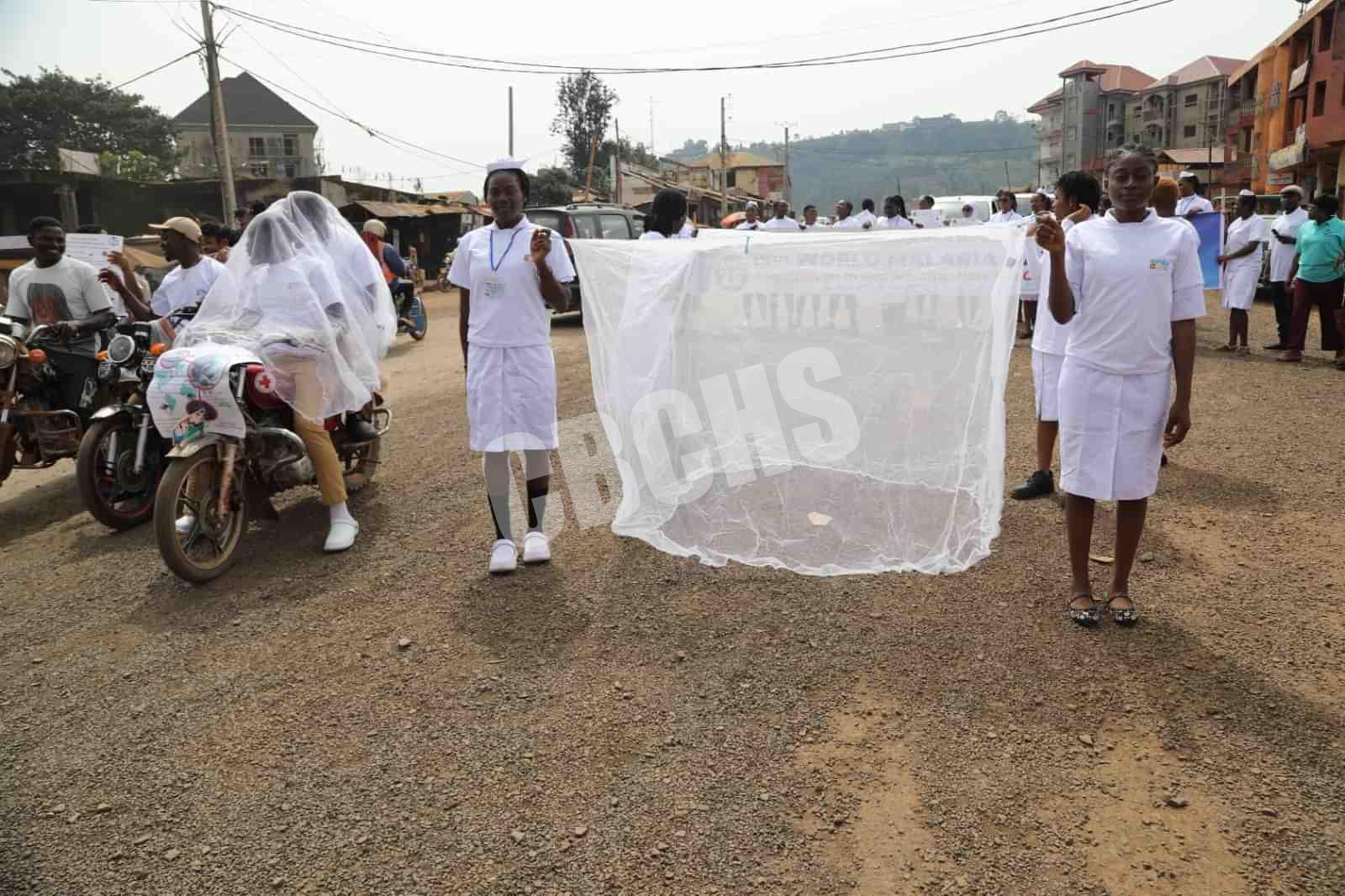
CBCHS has also contributed to innovation in malaria response tools. Drawing from best practices across Sub-Saharan Africa, the institution has developed practical resources such as a Malaria Communication Strategy Handbook and a Malaria Management Handbook. These tools are now widely used by CHWs to improve case detection, treatment, and community sensitization.
The Reality on the Ground: Persistent and Emerging Challenges
Despite these achievements, the fight against malaria—particularly in the Northwest and Southwest regions—remains complex and deeply constrained.
The ongoing sociopolitical crisis has significantly disrupted healthcare delivery. Many rural communities are now difficult to access, and patient attendance in health facilities has declined. This creates a dangerous gap in malaria detection and treatment, allowing the disease to persist as a leading cause of illness.

Several systemic challenges continue to undermine progress:
- Shortage of insecticide-treated mosquito nets, especially for routine distribution during antenatal care (ANC)
- Frequent stock-outs of Intermittent Preventive Treatment (IPTp) for pregnant women
- Inconsistent supply of free malaria drugs for children under five, a policy that is increasingly difficult to sustain under current conditions
- Low community adherence to prevention and treatment practices, including misuse of mosquito nets, delayed healthcare seeking, and reliance on unverified traditional remedies.
These barriers are not just logistical—they are behavioural, structural, and deeply contextual.
The Urgent Need for Mobile and Community-Based Interventions
Malaria control in rural settings cannot rely solely on static, facility-based care. Outreach programs and mobile clinics are essential for reaching vulnerable populations, especially in hard-to-access areas.
However, CBCHS currently faces a critical operational gap: limited mobility. The absence of dedicated vehicles for malaria outreach severely restricts timely interventions, rapid response to outbreaks, and sustained community engagement.
This is where urgent support is needed.
Looking Ahead: Innovation, Vaccines, and Renewed Strategy
CBCHS is not standing still. The organization is actively adapting its malaria control strategies to integrate new tools and evidence-based approaches.
The introduction of the malaria vaccine represents a significant breakthrough. CBCHS has already conducted two phases of health facility surveys (2023–2024) to assess vaccine acceptance among mothers. Insights from this research are now shaping targeted communication strategies aimed at addressing vaccine hesitancy—particularly in rural communities.
At the same time, the organization is rethinking its approach to mosquito net usage. Moving beyond distribution, CBCHS is emphasizing behavioural change, addressing barriers such as discomfort, lack of proper installation space, and persistent misconceptions. The goal is simple but critical: consistent and correct use.
As Dr. Nfor Emmanuel aptly noted during this year’s awareness activities:
“The fight against malaria will be won or lost based on behaviour”.
A Call to Action: Why Your Support Matters Now
Ending malaria requires more than medical solutions—it requires sustained investment, community trust, and operational capacity.
Today, CBCHS stands at a pivotal moment. The systems are in place. The expertise is proven. The communities are engaged. But without adequate funding, critical interventions—especially outreach programs—remain out of reach.
Your support can help:
- Procure and distribute life-saving mosquito nets
- Ensure consistent availability of malaria medications and preventive treatments
- Deploy mobile clinics to underserved and crisis-affected communities
- Strengthen health education campaigns that challenge harmful myths and promote healthy behaviours
- Support the rollout and acceptance of the malaria vaccine
Together, We Can End Malaria
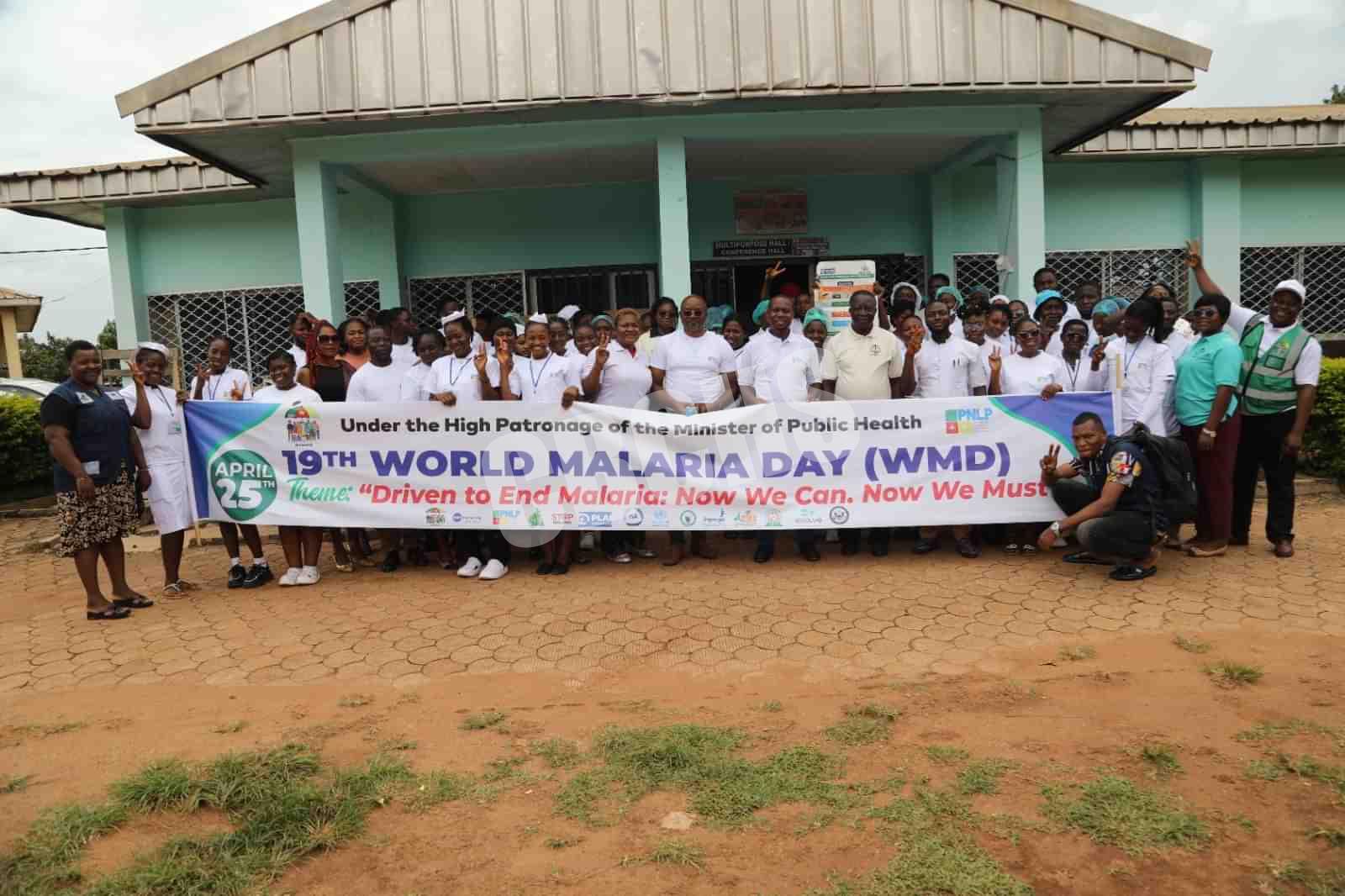
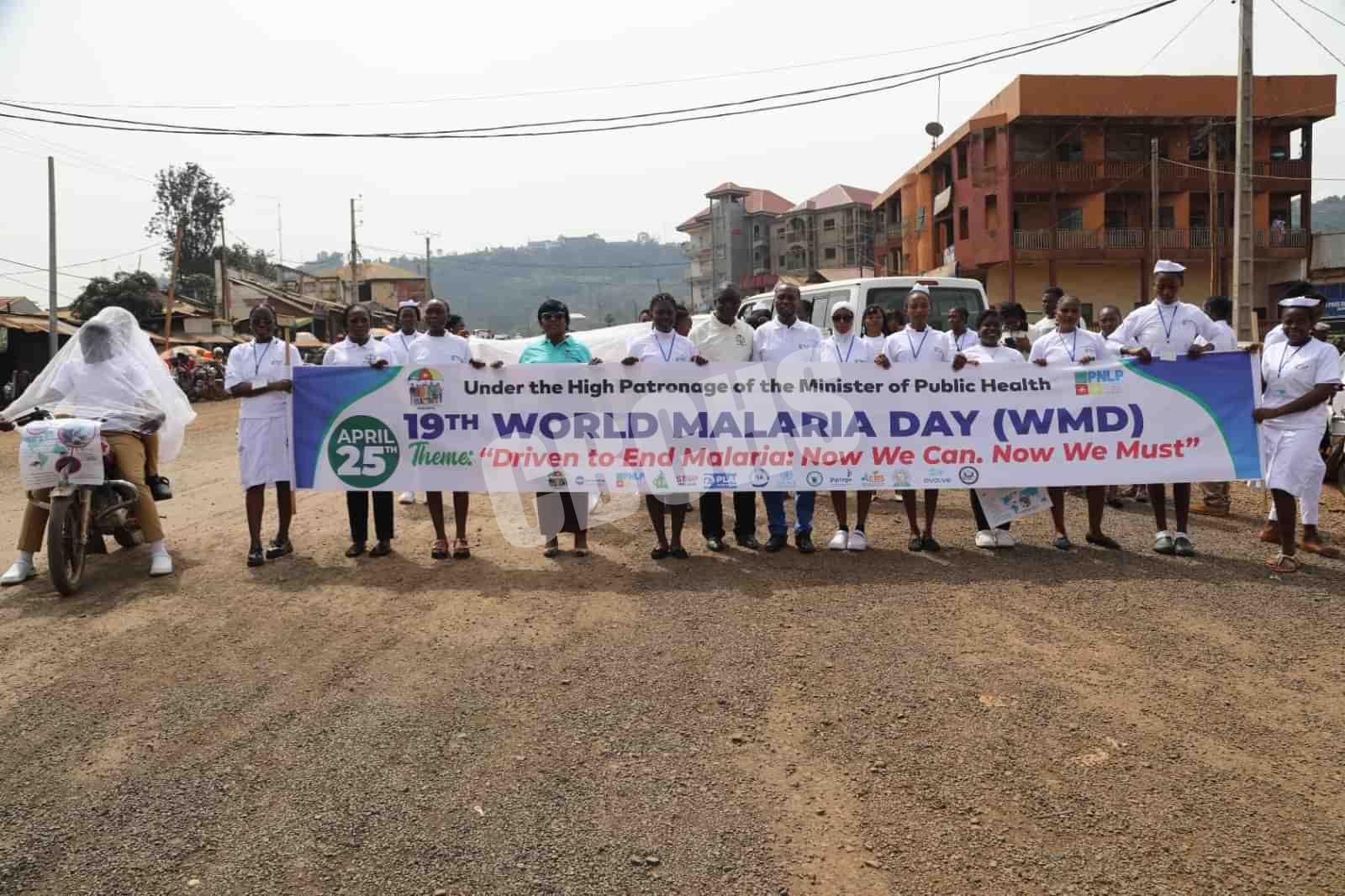
This year’s theme — “Driven to End Malaria: Now We Can, Now We Must”—is more than a slogan. It is a call for collective responsibility.
From community sensitization marches to nationwide facility-based awareness campaigns, CBCHS continues to lead with commitment and compassion. But the journey ahead requires partners—individuals, organizations, and donors—who are willing to invest in a malaria-free future.
Malaria is preventable. Malaria is treatable. And with the right support, malaria can be eliminated. Now is the time to act.