The effects of the armed crisis in the English-speaking Northwest and Southwest regions of Cameroon, since 2016, have been widespread and visible but there were no data to guide stakeholders to take action, especially in favour of children and youths with disabilities (CYWD). The crisis disrupted social systems, livelihoods and essential services across the Northwest and Southwest regions.
Children and youths with disabilities have been disproportionately affected due to pre-existing vulnerabilities, limited mobility, communication barriers, and reduced access to protection and services. The crisis has increased barriers to accessing many important areas of life, possibly exposing them to specific risks in the field of child protection, harm and abuse, health care, rehabilitation, WASH, nutrition and education, and loss of livelihoods.
Research carried out by the EDID program of the CBC Health Services in 2025 with funding from Liliane Foundation has shed light on this problem. The study reveals that CYWD in the Northwest face multi-layered, intersecting vulnerabilities that have been intensified by the crisis. Their access to protection, health, education, nutrition and livelihoods has been severely compromised. An overwhelming majority of them (98.8%) were affected by the socio-political crisis with 79% severely affected.
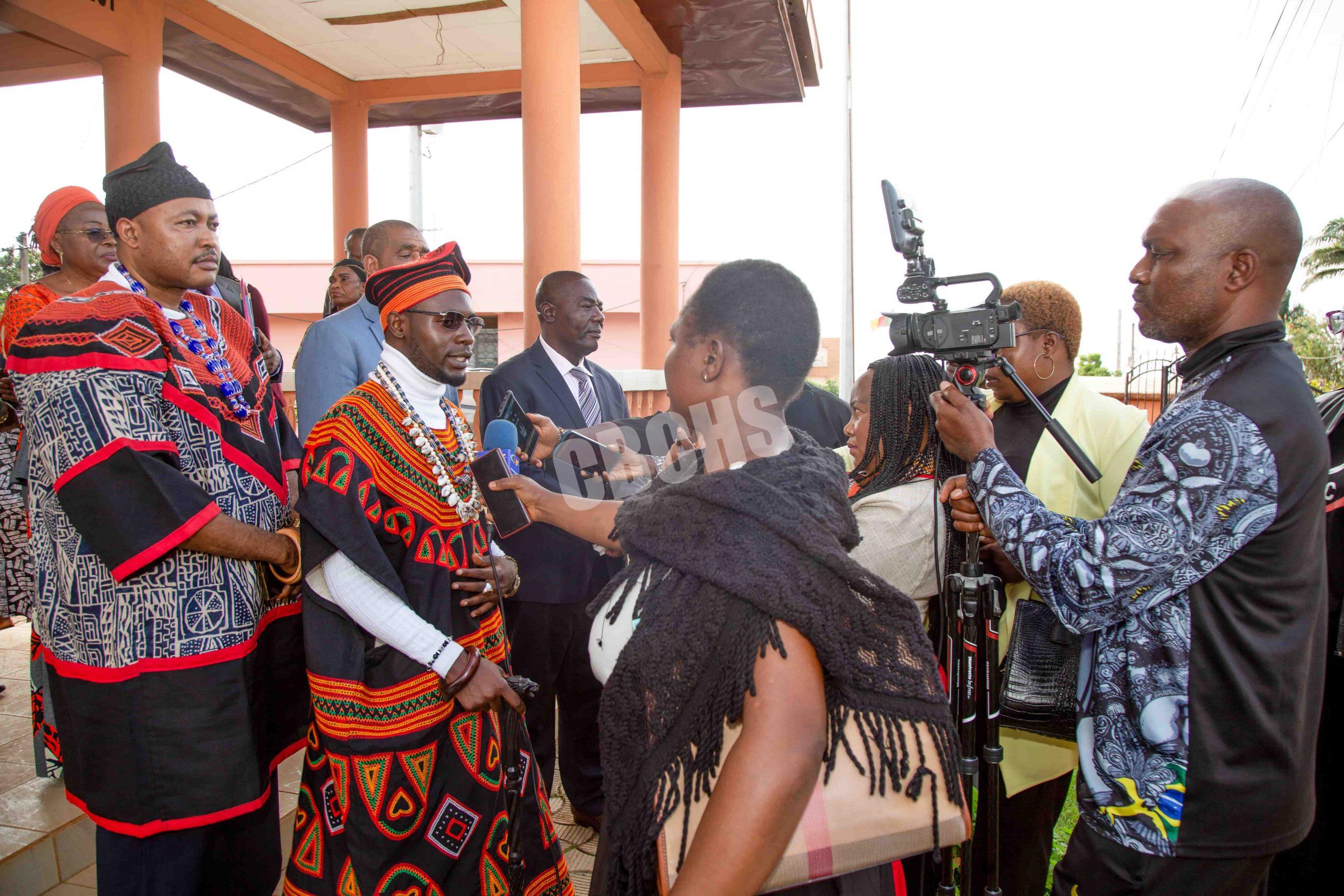
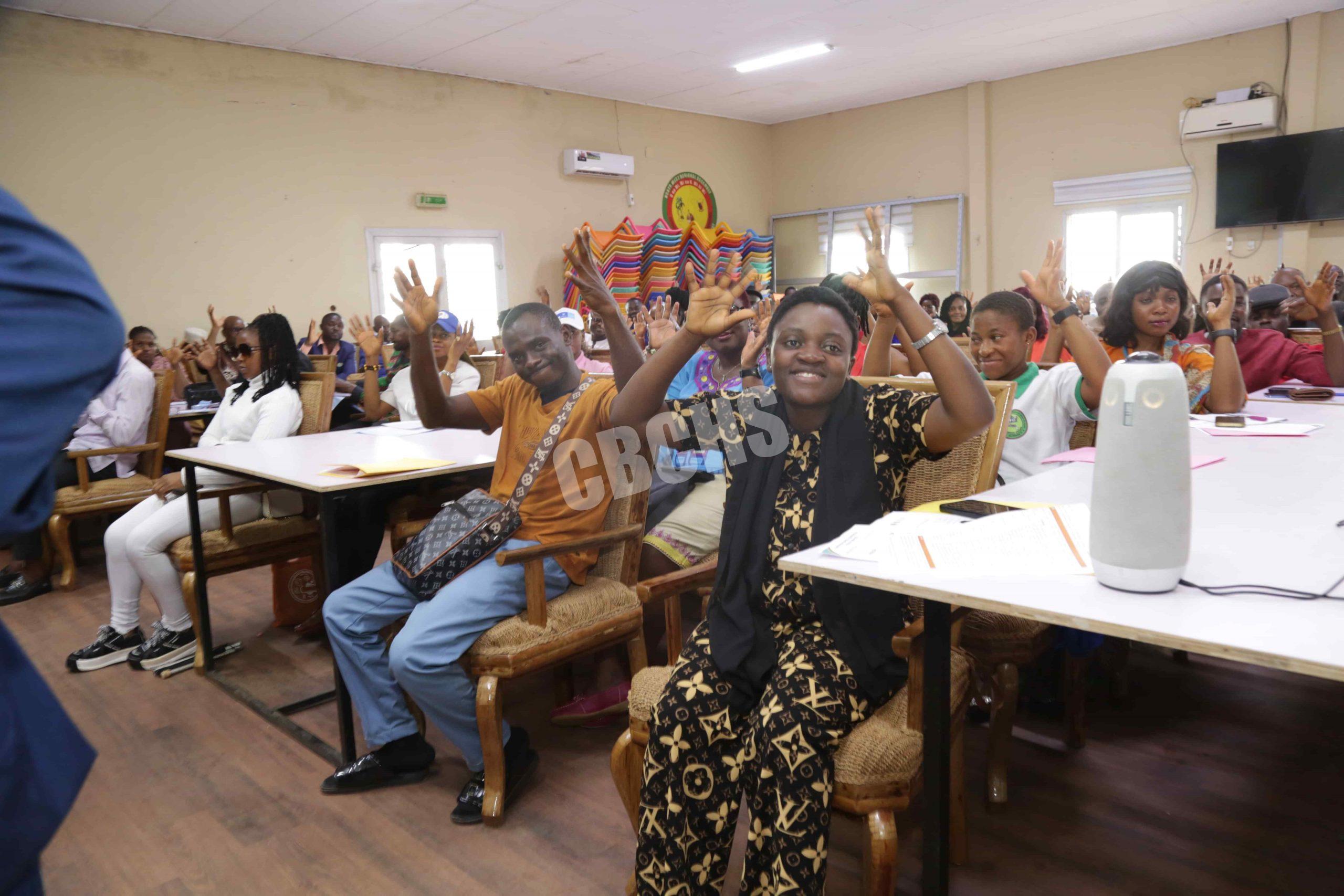
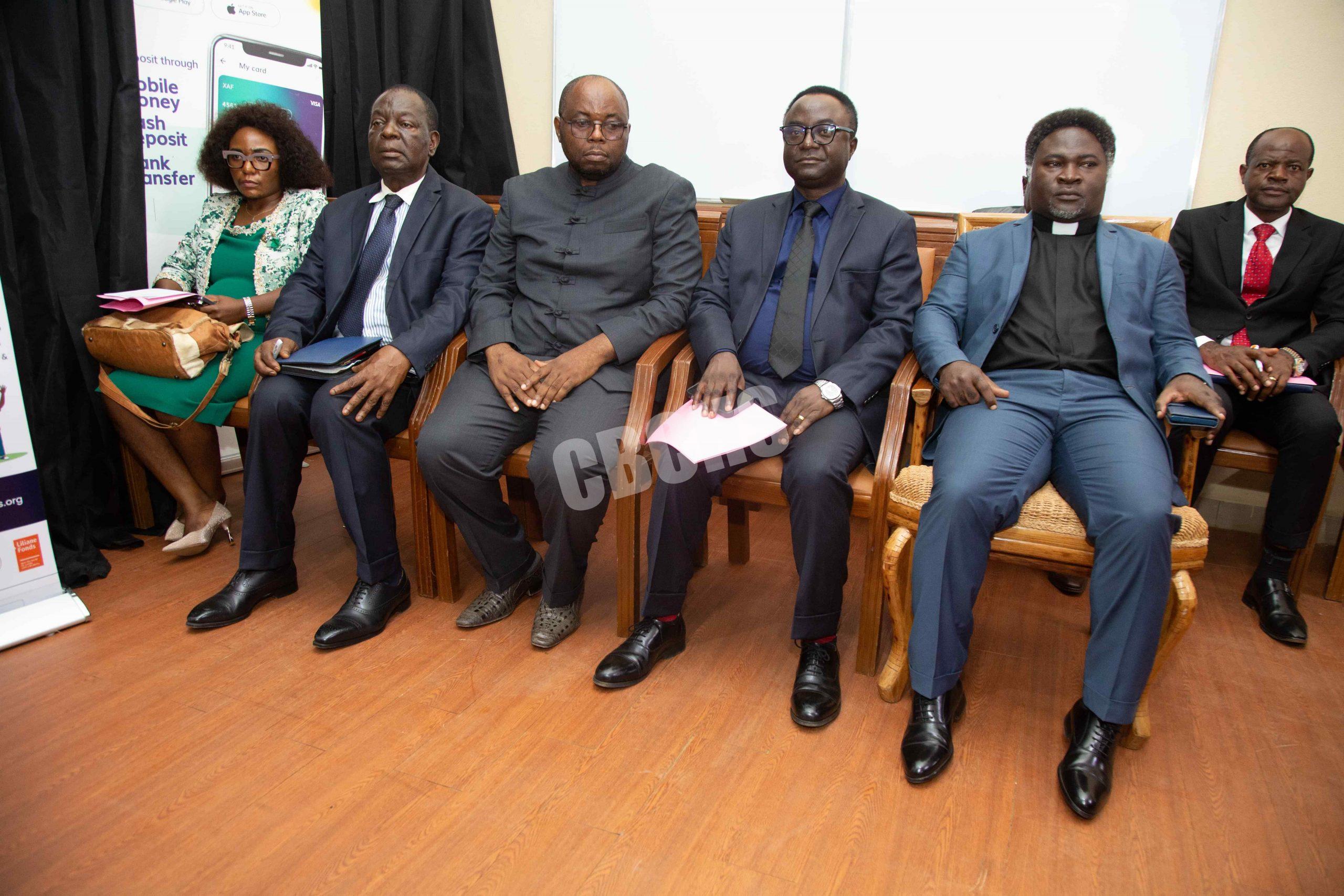
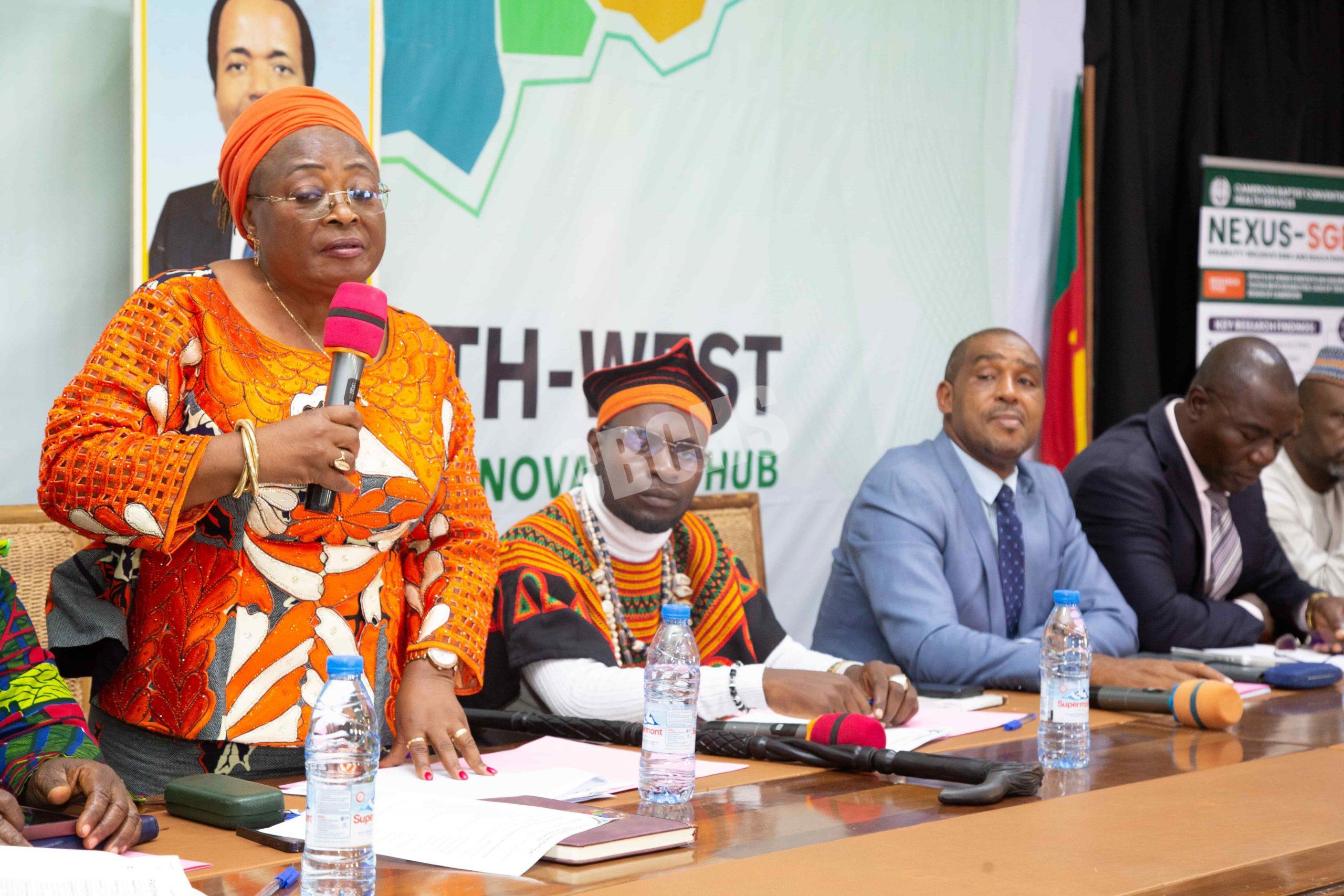
EDID Program Manager, Mrs. Agho Glory, on April 29, 2026, presented the findings of the landmark research to the stakeholders that gathered in the auditorium of the Northwest Regional Assembly in Bamenda. They included CYWDs, caregivers/parents of CYWDs, survivors of sexual and gender-based violence (SGBV), CBC leaders led by the Executive President, Rev. Dr. Teke John Ekema and officials of the NWRA led by the President of the House of Chiefs who doubles as Vice President of the NWRA, His Royal Majesty Amidou Nji, Fon of Nkambe.

The research has as goal to improve access to inclusive SGBV response services and community-based learning, while enhancing safety, visibility, and system level inclusion for CYWD in conflict affected communities within 10 subdivisions of the Northwest and Southwest regions of Cameroon.
Nineteen-year Wirnkar Joy, living with a disability, the second of six siblings shared with emotion her ordeal from sexual violence in the home in Yaounde that accommodated her as an IDP from Kumbo due to the heightened crisis. She became pregnant and was compelled to relocate to Bamenda with her baby to join her struggling and single mother and five other siblings, all living with disabilities including their mother. The excruciating story of this family all living with disabilities further drives home the extent to which people living with disabilities, especially children, youths and women have been abused in the context of the ongoing crisis in the Northwest and Southwest regions. The poverty circle for this family can only be imagined!
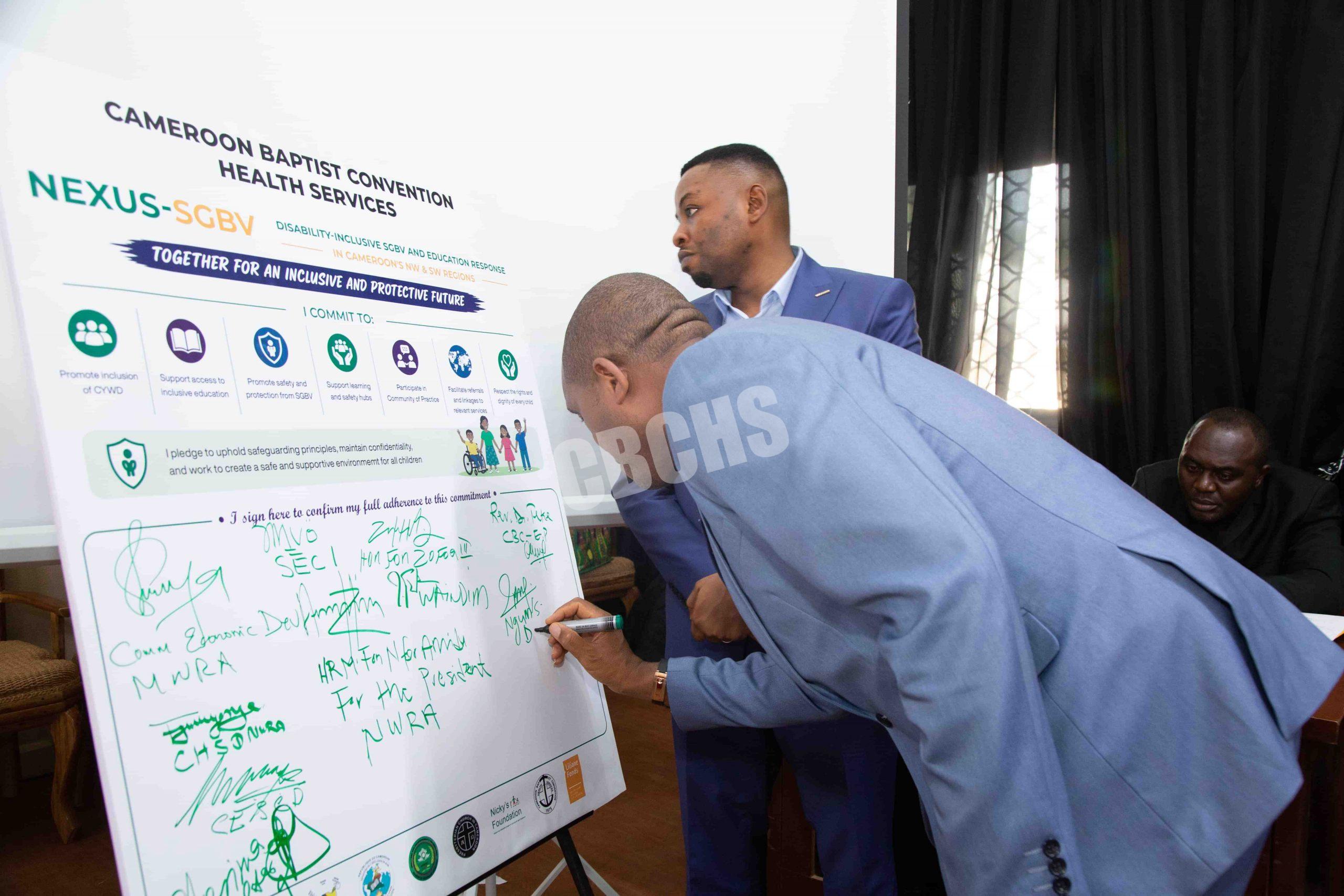
The NEXUS-SGBV project will implement the research finding intervention and recommendations. Launching the project, the Vice President of NWRA vowed that we must change the narrative of stories of abuse of people with disabilities like that of Joy. “Together, we are turning commitment into action for every child caught in this crisis,” HRM Amidou Nji remarked.
In his vote of thanks to every stakeholder in attendance, especially the NWRA that has embraced the gospel of inclusion wholesale, Prof. Tih Pius Muffih challenged political, religious and civil society leaders to raise their voices so that the war in the two English speaking restive regions should stop and give peace a chance, more importantly, to people with disabilities. CBC Executive President, Rev. Dr. Teke John Ekema prayed to dedicate the smooth implementation of the NEXUS-SGBV project, which goes operational immediately.
A Landmark MoU between CBCHS and NWRA
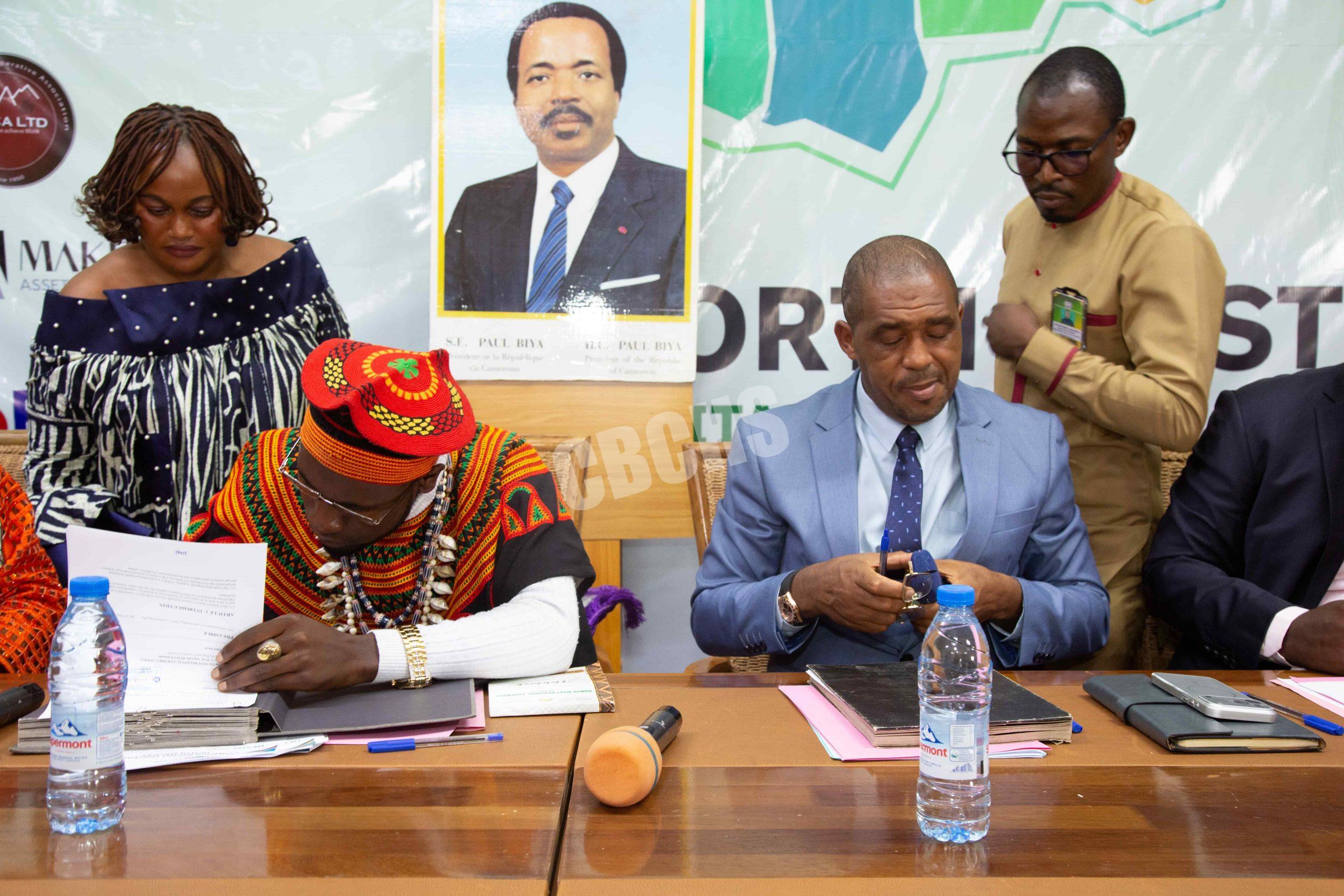
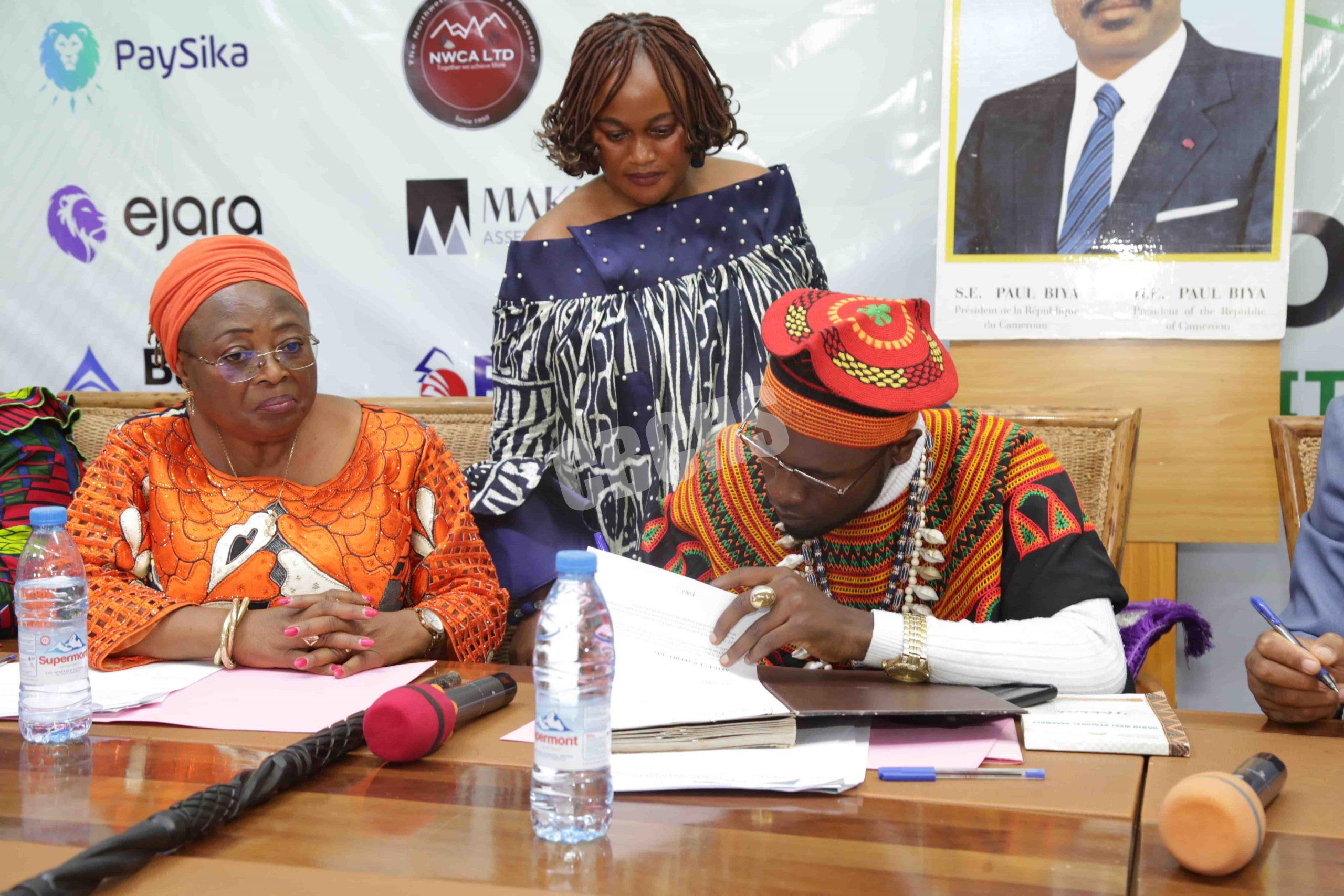
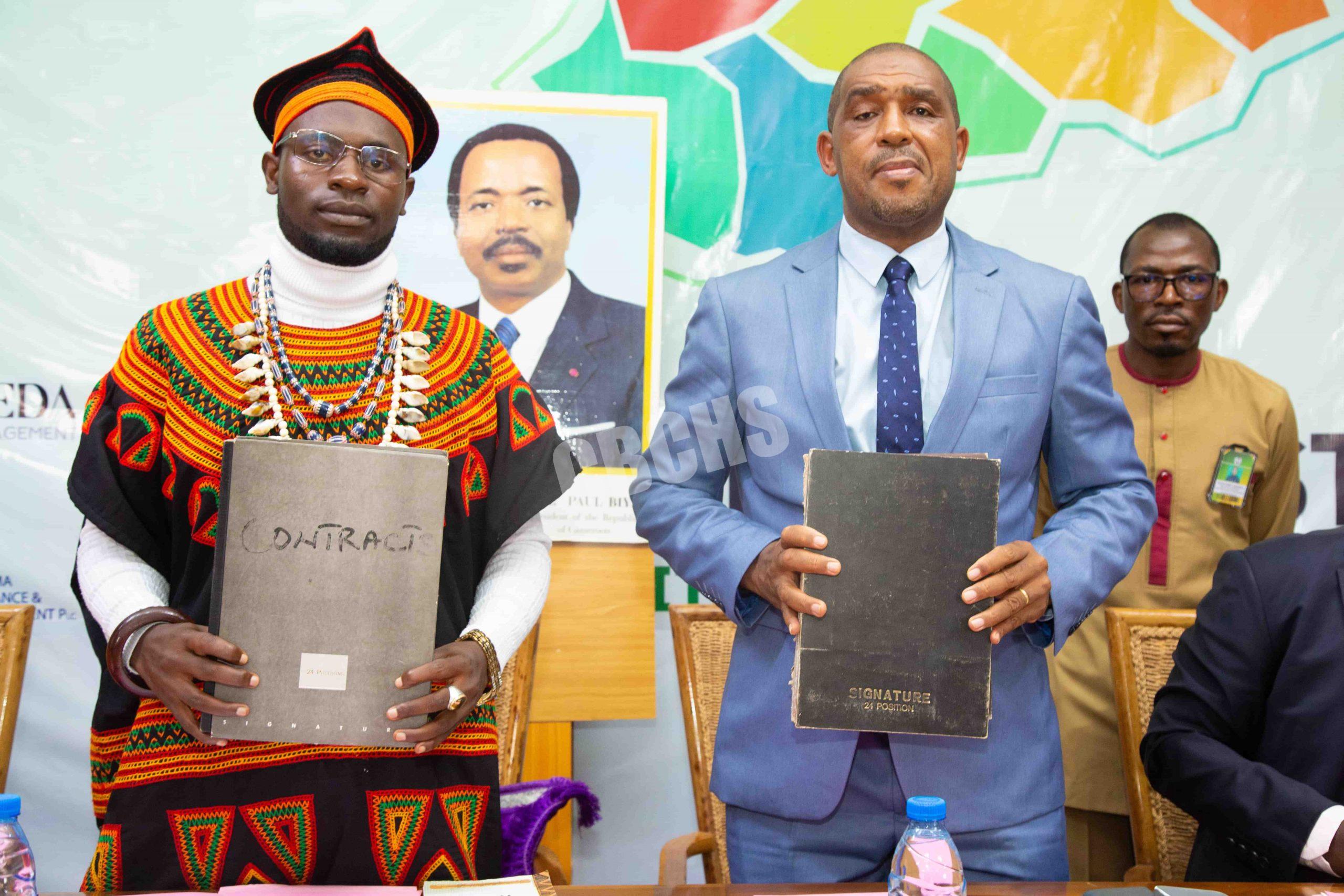
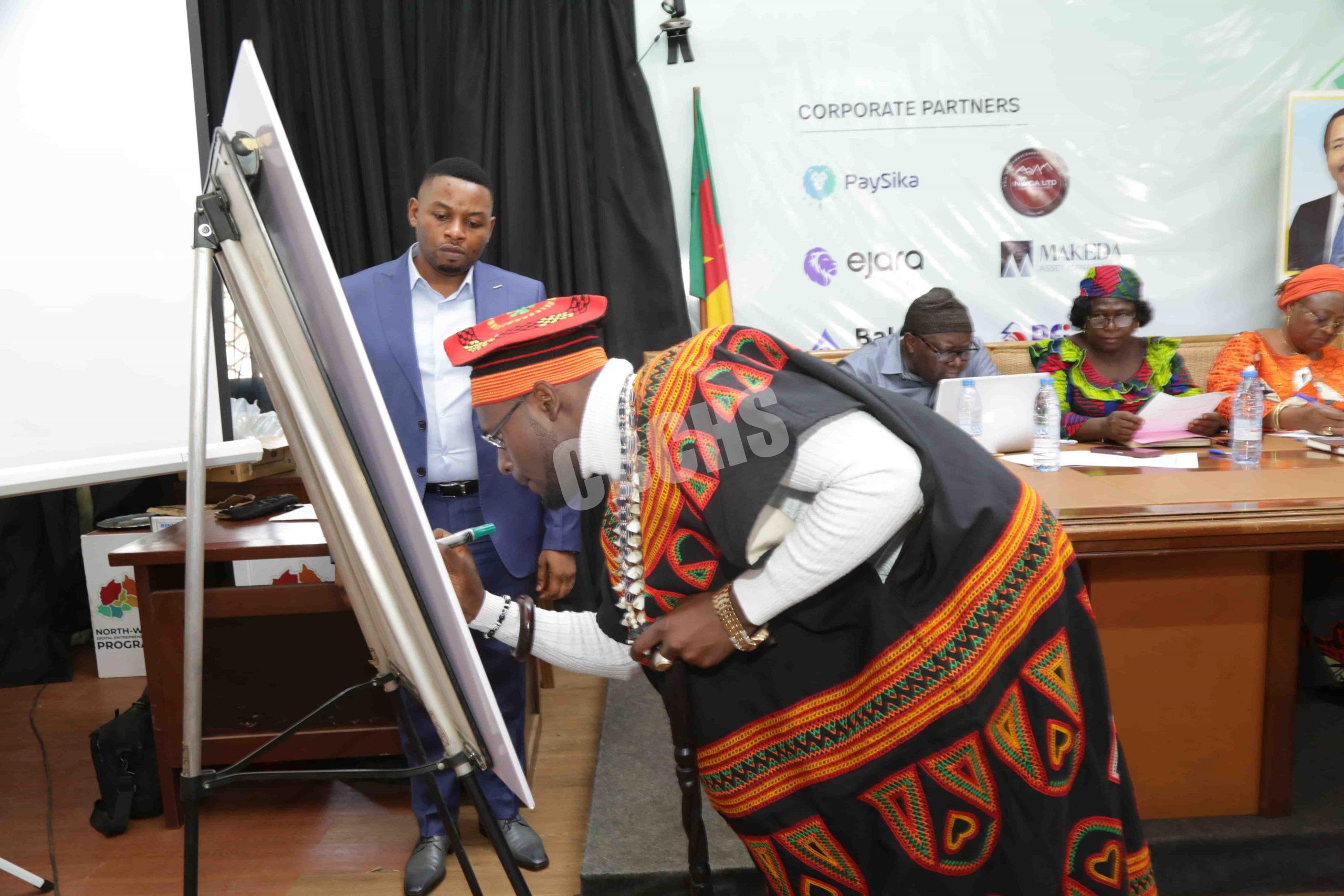
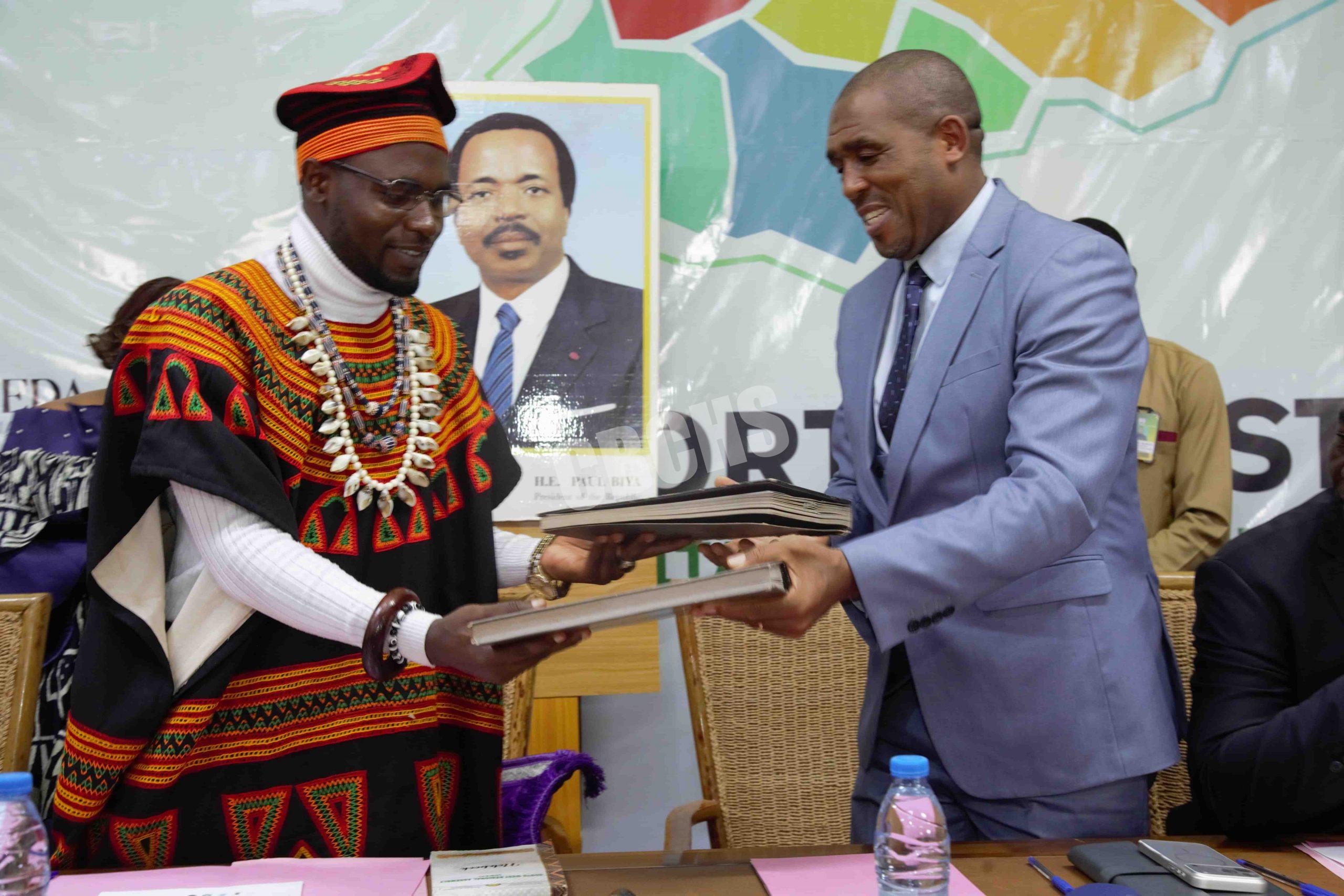
The high point of the day was the signing of an MoU between the CBC Health Services via her Socio Economic Empowerment of Services for People with Disabilities (SEEPD) program and the Northwest Regional Assembly (NWRA) with goal to foster inclusive and participatory development across the Northwest region. Mr. Samuel Ngum, Director of Health Services signed for his organization and HRM Amidou Nji signed on behalf of the NWRA. Speaking, the NW Regional Assembly Vice President, HRM Amidou Nji said, “Inclusion is not an option, it is a responsibility”. According to the VP, this MoU is not symbolic but strategic. It is our responsibility as leaders to ensure no one is left behind. The findings demand action in education and safeguarding. The MoU is for one year renewable.