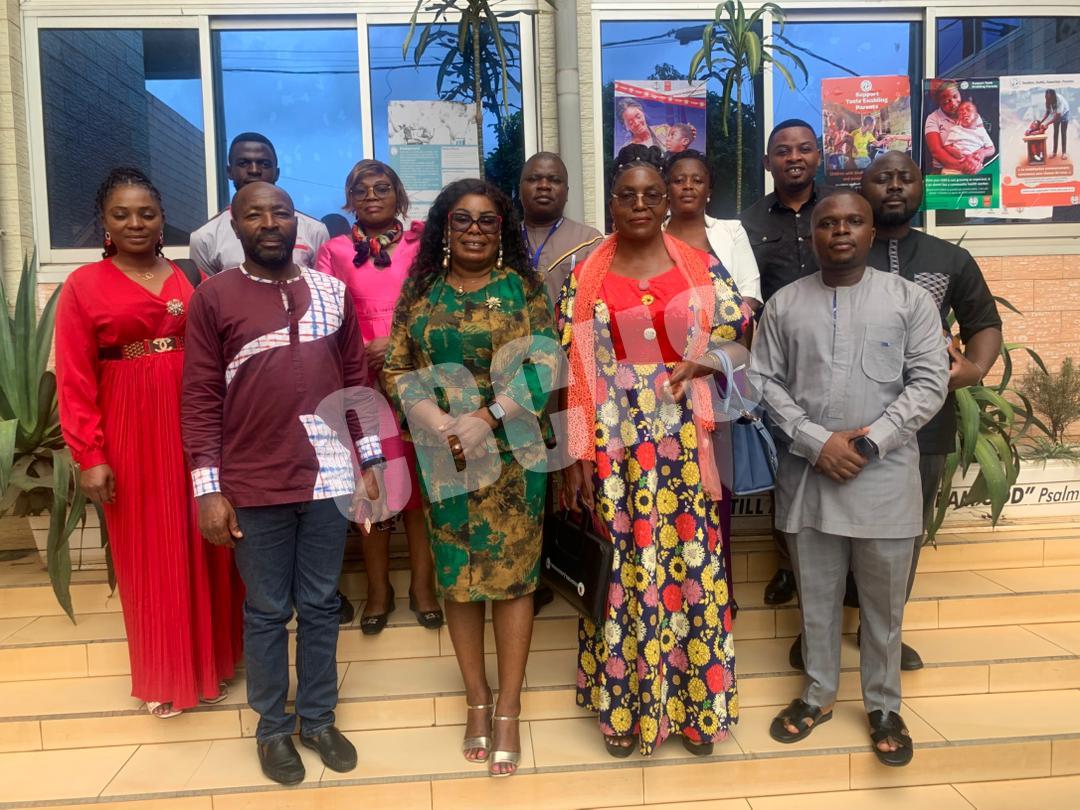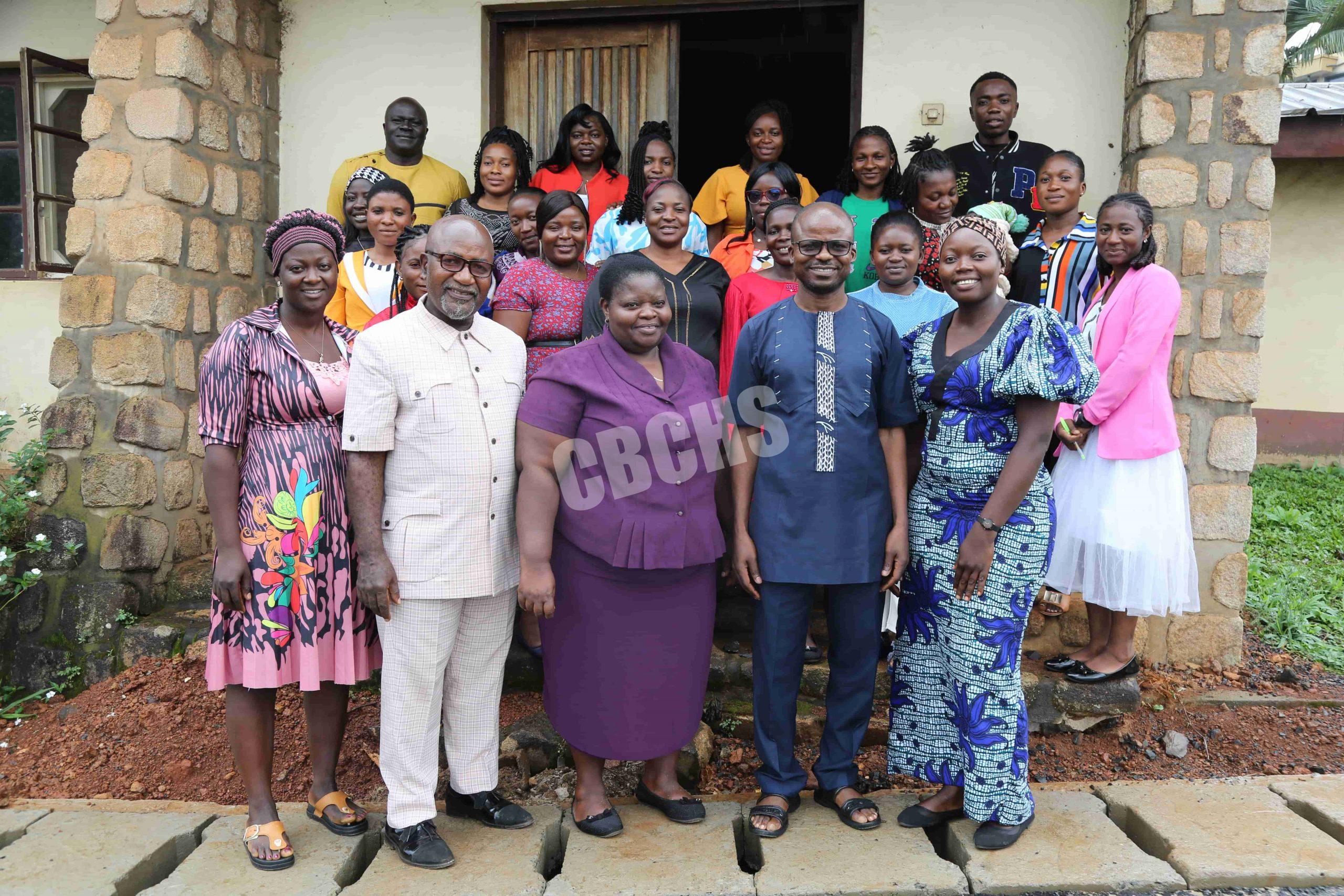
In an effort to enhance healthcare delivery in underserved communities, Life Abundant Primary Healthcare (LAP) hosted a transformative Leprosy Case Identification workshop from May 14-15, 2026, at the Baptist Centre in Nkwen, Bamenda. This engaging two-day training assembled newly recruited nurses from various LAP facilities to equip them with crucial knowledge and skills for effective patient care especially in the domain of leprosy which is one of the Neglected Tropical Diseases (NTDs) still active in some remote communities.
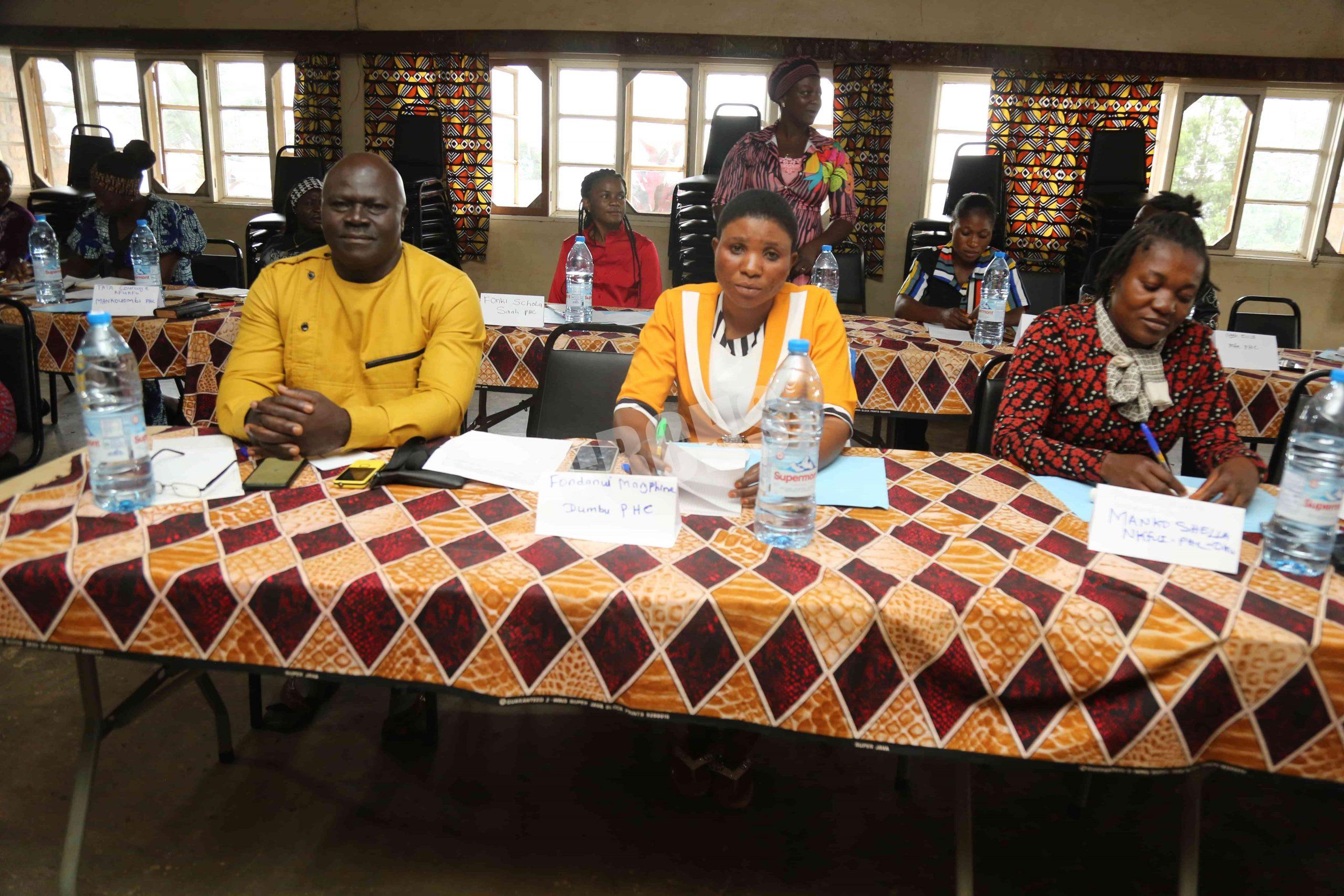
The workshop kicked off with a comprehensive exploration of vital topics, including an understanding of leprosy, its predisposing conditions, and the signs and symptoms that signal its presence. Participants learned about clinical and para-diagnostic methods, differential diagnosis, and the classification and treatment of leprosy, setting a solid foundation for their future roles.
On the second day, the focus transitioned to more advanced management techniques, covering treatment reactions and sequelae, adherence counseling, and the importance of early identification. Nurses engaged in hands-on activities that enhanced their skills in documentation, reporting, skin examinations, and nerve assessments, as well as strategies to address complications of leprosy.

Mr. Njenih George, LAP Administrator, emphasized the critical need for such workshops in ensuring that new nurses are well-prepared to meet the diverse needs of patients in hard-to-reach communities. The training is expected to significantly elevate the quality of care and services LAP offers to its clients, ensuring those in the most remote areas receive the attention and treatment they deserve.
Facilitated by seasoned professionals in the domain of leprosy such as Fombang Oliver and Regina Prangwah, the interactive sessions fostered a vibrant atmosphere of learning and collaboration. With this investment in training, LAP is poised to improve outcomes for patients affected by leprosy and strengthen the capabilities of its healthcare teams, ultimately leading to healthier communities across the nation.