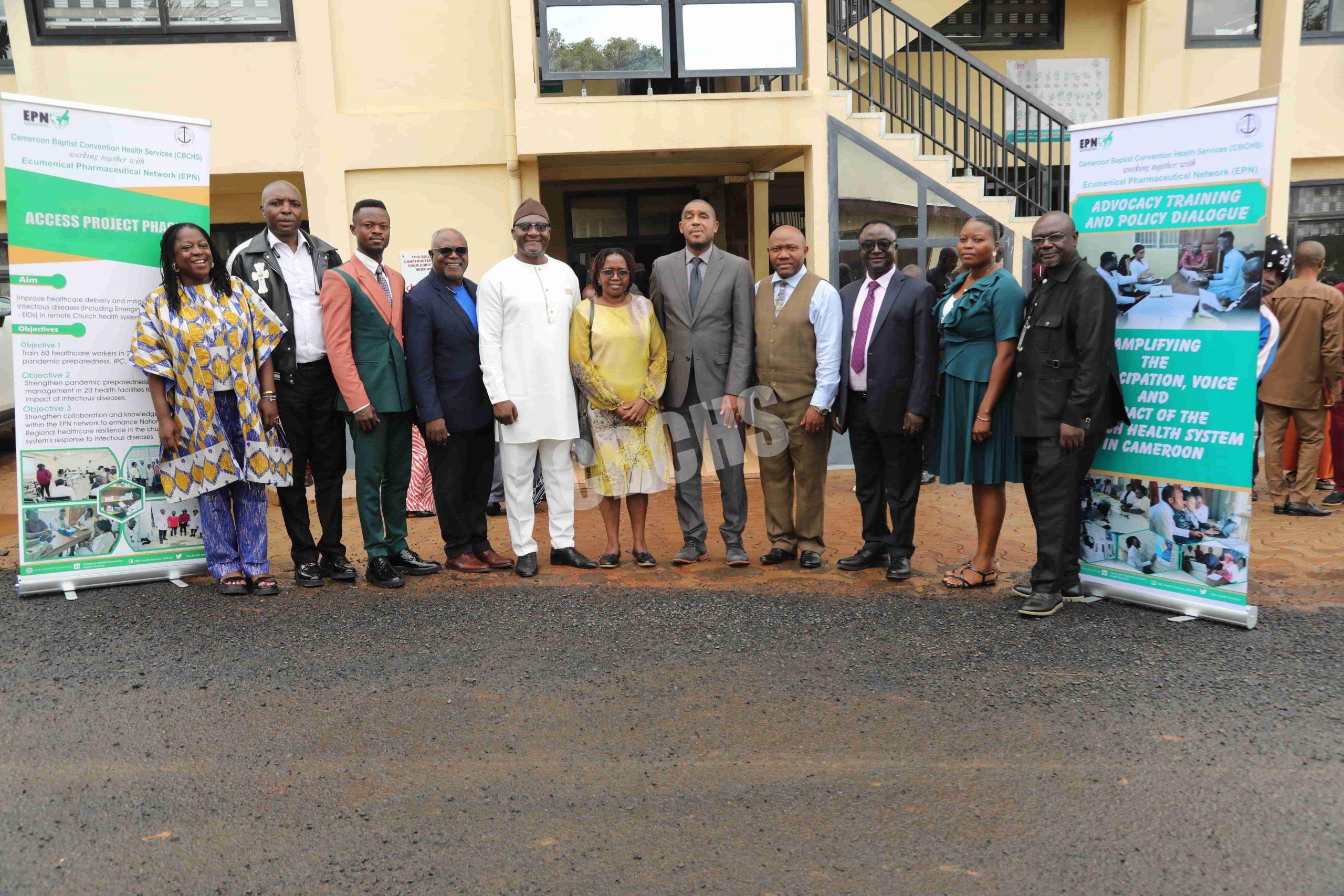
An Advocacy Dialogue Meeting with some leaders of the CBC Health Services has taken place to deliberate on the best way to chart an Advocacy Policy for the CBC Health Services. The meeting on May 16 was a culmination of a one-week workshop that ran from May 11-15, 2026.
The training on policy advocacy would inform the development of a policy advocacy strategy for the CBC Health Services that would run till 2030. The 5-day engaging and productive workshop on advocacy dialogue, was excellently delivered by a lead facilitator, Rev. Jane N’ganga from the Ecumenical Pharmaceutical Network (EPN) in Kenya with support from Mr. Abanda Alphonse from the Cameroon Baptist Convention Health Services. The training focused on policy dialogue – which is a more collaborative and most effective way to influence policy change.
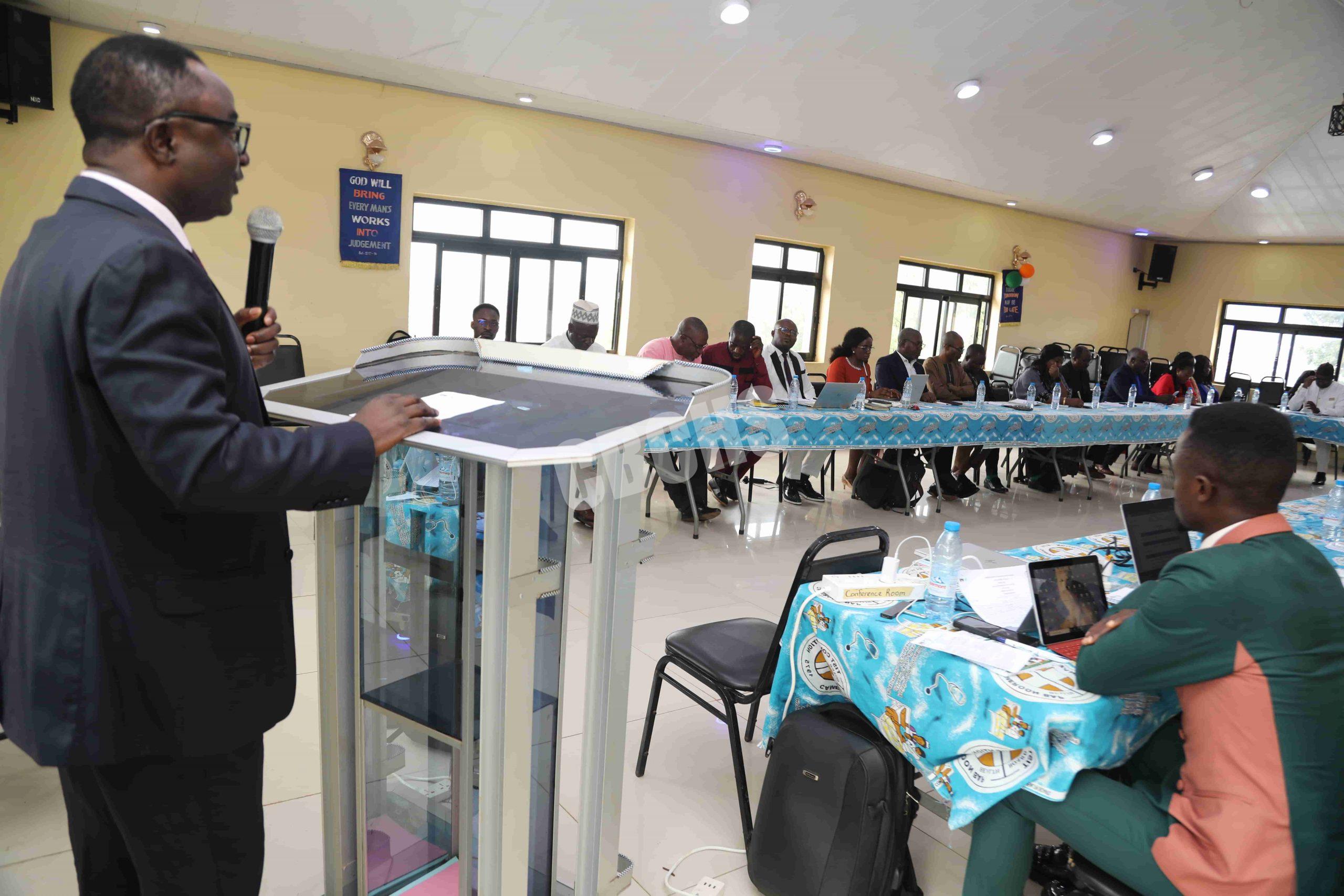
The subject of advocacy may appear more of a technical, intellectual, and or far-fetched, but is well embedded in the Bible. Advocacy draws its roots from the word of God. Many Bible verses provide spiritual orientation on why, what or how advocacy should be conducted. The training and CBC’s interest in the subject draws its credence from Proverbs 31: 8 -9 where our Lord commands us “To speak up for those who cannot speak for themselves”. This is an invitation for active advocacy for the marginalized, needy, and the defenseless.
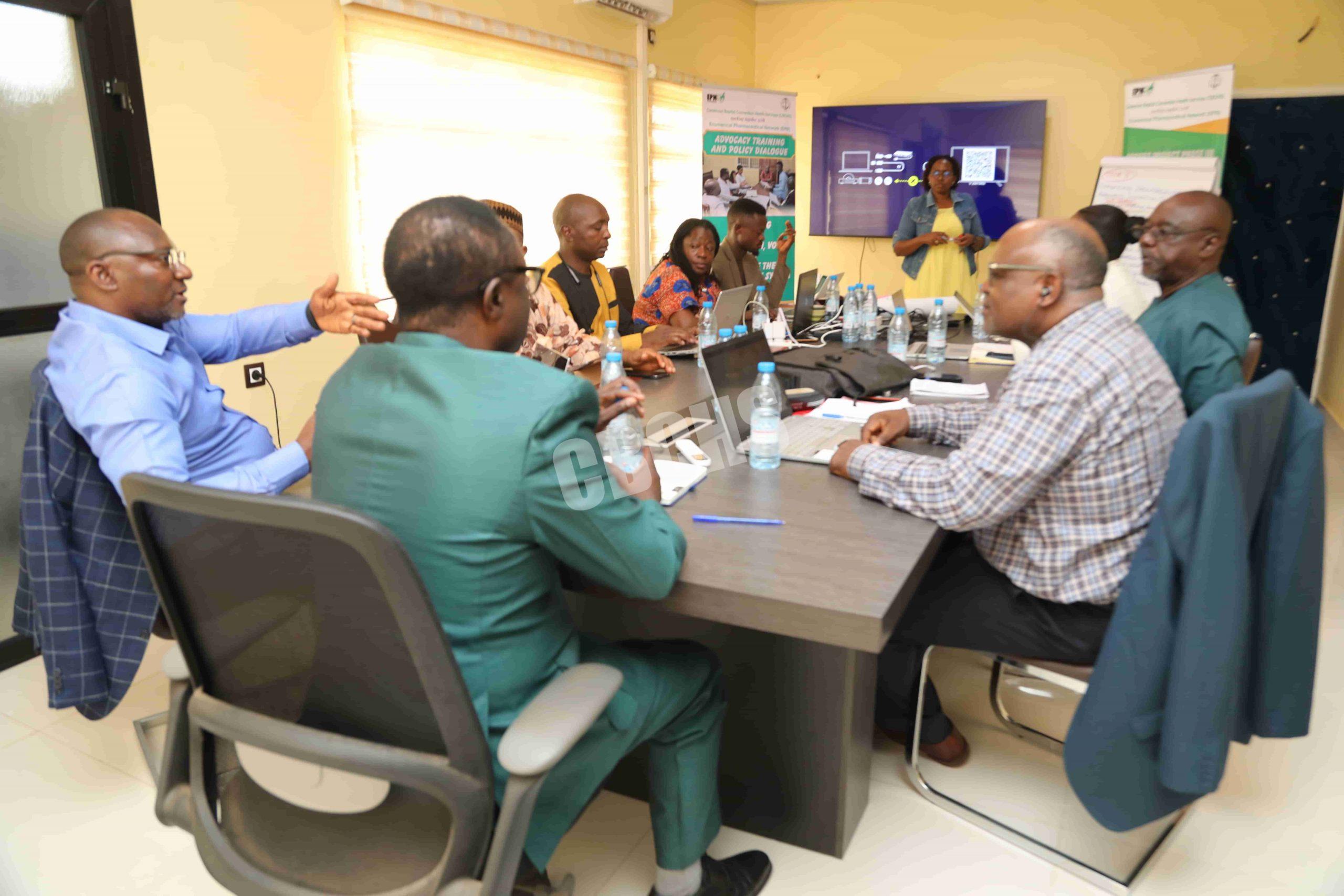
Drawing strength from this Biblical charge, the restricted group of ten, comprising senior leaders from the CBC and CBC Health Services, worked to identify some major health access and health quality challenges that need urgent attention. The diagnosis resulted in the identification and prioritization of four advocacy issues that will constitute CBC’s advocacy priorities through 2030.
These issues are:
- Advocating for government financing of the faith-based health system in Cameroon. To be driven by a national coalition of Faith-based health organizations in the country, this advocacy is expected to result in a percentage financial allocation from national health budget to help Faith-based health systems reach more people with quality, holistic and affordable healthcare services. This is seen as a concrete move to make Universal Health coverage achievable in Cameroon.
- Pushing for a National Strategy to support the local manufacturing of pharmaceutical products in the country. Despite the existence of a National Framework, a law to promote import substitution, global and regional commitments signed by the GRC, local manufacturing of health products and technologies remains ineffective. This advocacy seeks to support GRC’s efforts by making LM effective that will potentially result in greater access to quality, affordable health commodities.
- Supporting the development of clear guidelines for better integration of health services across the system. Effective integration of healthcare services could optimize access and uptake of quality, holistic, and whole-person care. These add to other benefits like program efficiency. Unfortunately, verticalization continues, despite driving the high cost of healthcare in the country. By supporting the MOH’s efforts to achieve effective integration, the CBC Health Services hopes to further address access to care challenges.
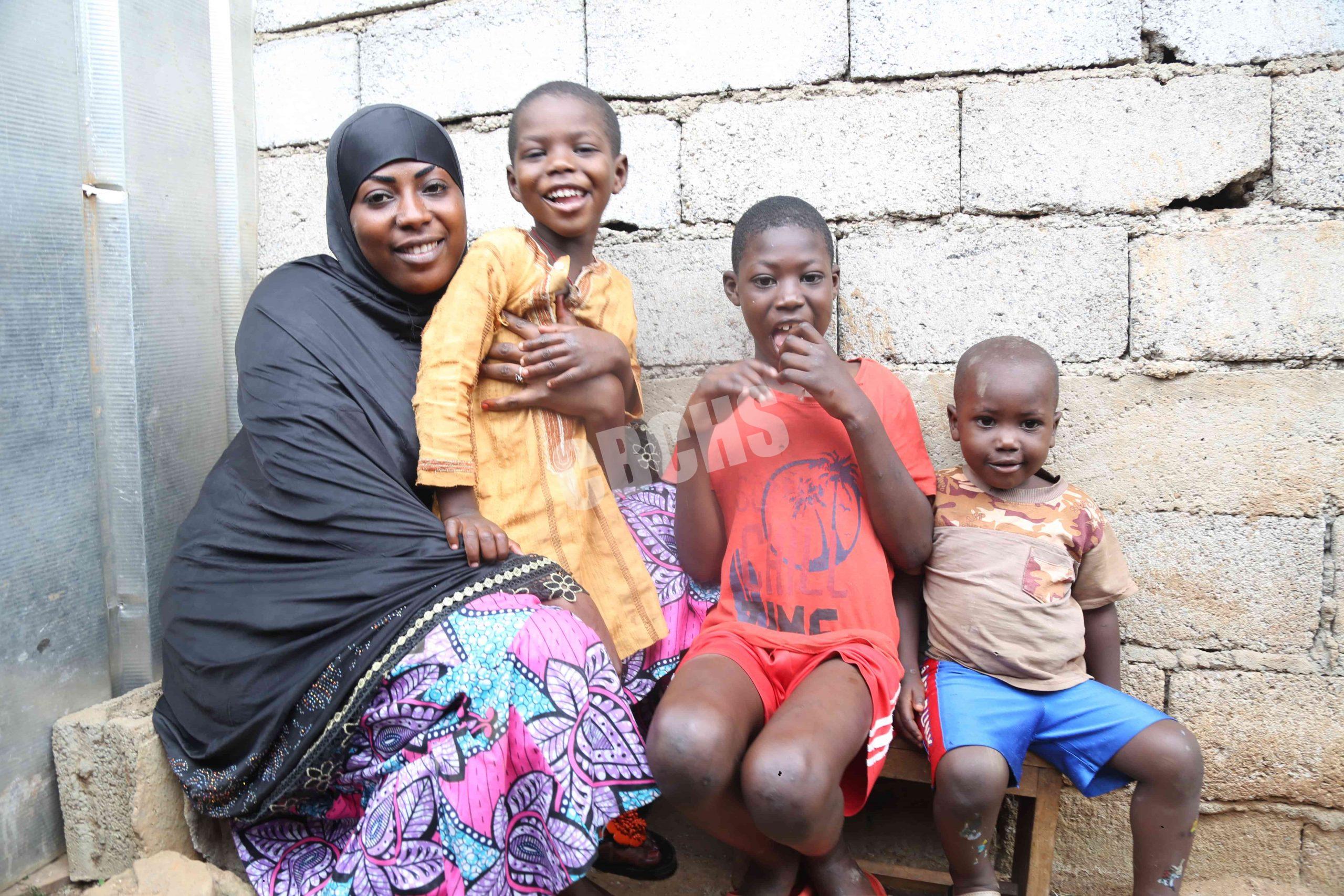
- Promoting an inclusive health approach to ensure equity and access to quality healthcare for all. The CBC Health Services intends to lead advocacy for Inclusive Health which addresses all forms of discrimination and stigmatization. This issue is particularly dear to the institution as it reminds her of the very mission for which the CBC health system exists – “Quality Healthcare to All”.
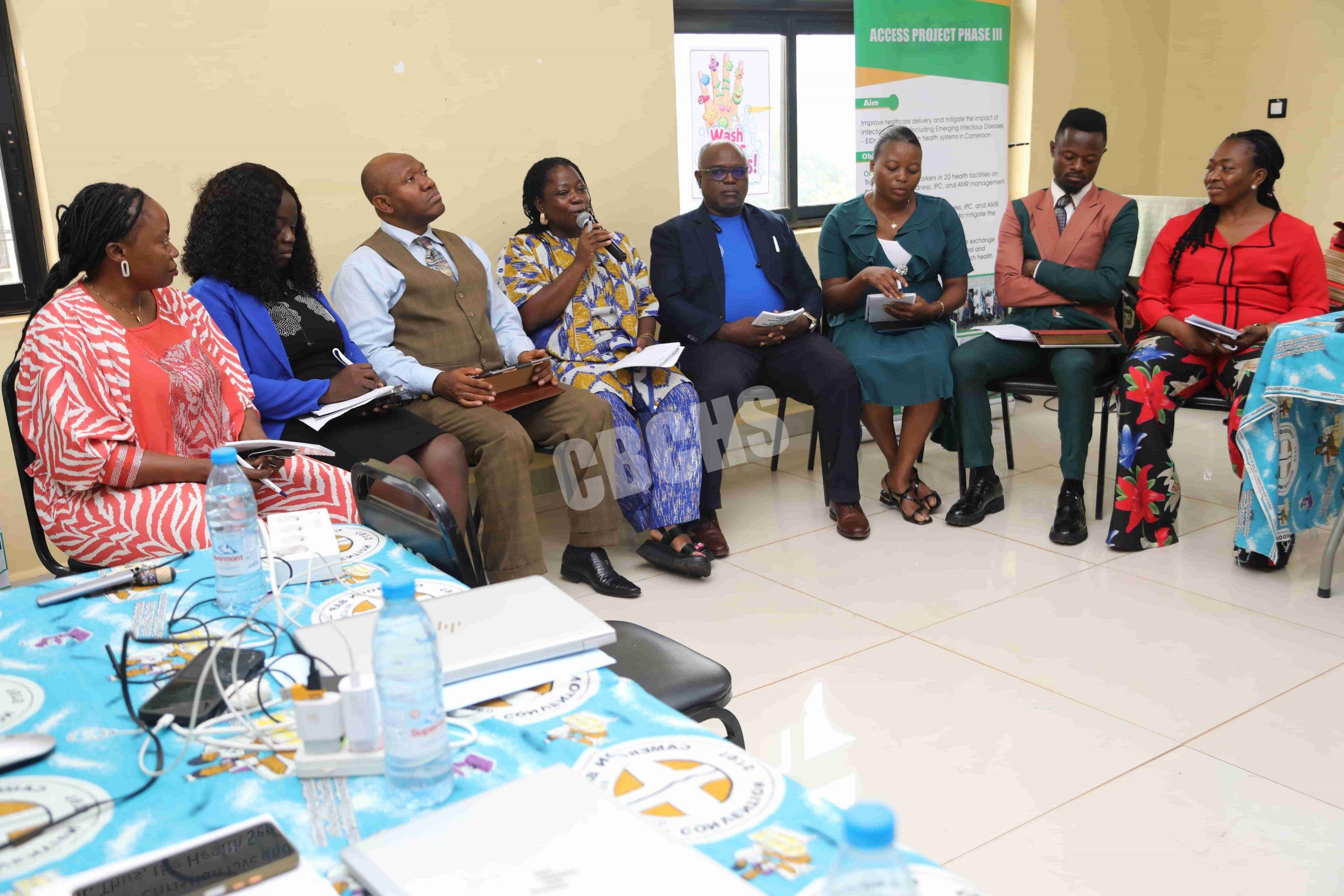
The workshop was a platform to strengthen the advocacy skills for the organization, and also gave trainees the opportunity to embark on other essential elements of the institution’s Mission that have hitherto been overlooked. In the past, most of the institution’s advocacy has been dispersed, fragmented, and consequently uncoordinated. The workshop closed with concrete next steps and a stronger sense of purpose for improving the way to approach advocacy moving forward with the singular intention to multiply and amplify voices in support of the downtrodden.
This Mission was once again buttressed by Reverend Dr. Paul Mokake Wose, CBC Director of Evangelism and Missions, who in his devotional titled, “Follow the Footsteps of The Great Advocate drawn from Luke 4:18-19 and Isaiah 61:1-2, zoomed into Jesus’ ministry vision. He emphasized that Jesus came as an advocate, willing to stand in the gap on behalf of the suffering masses. “Engaging in advocacy for the less privileged is not just a divine mandate but is directly embracing the purpose statement of the Lord by championing the cause of those who suffer and are at the fringes of society,” he positioned.
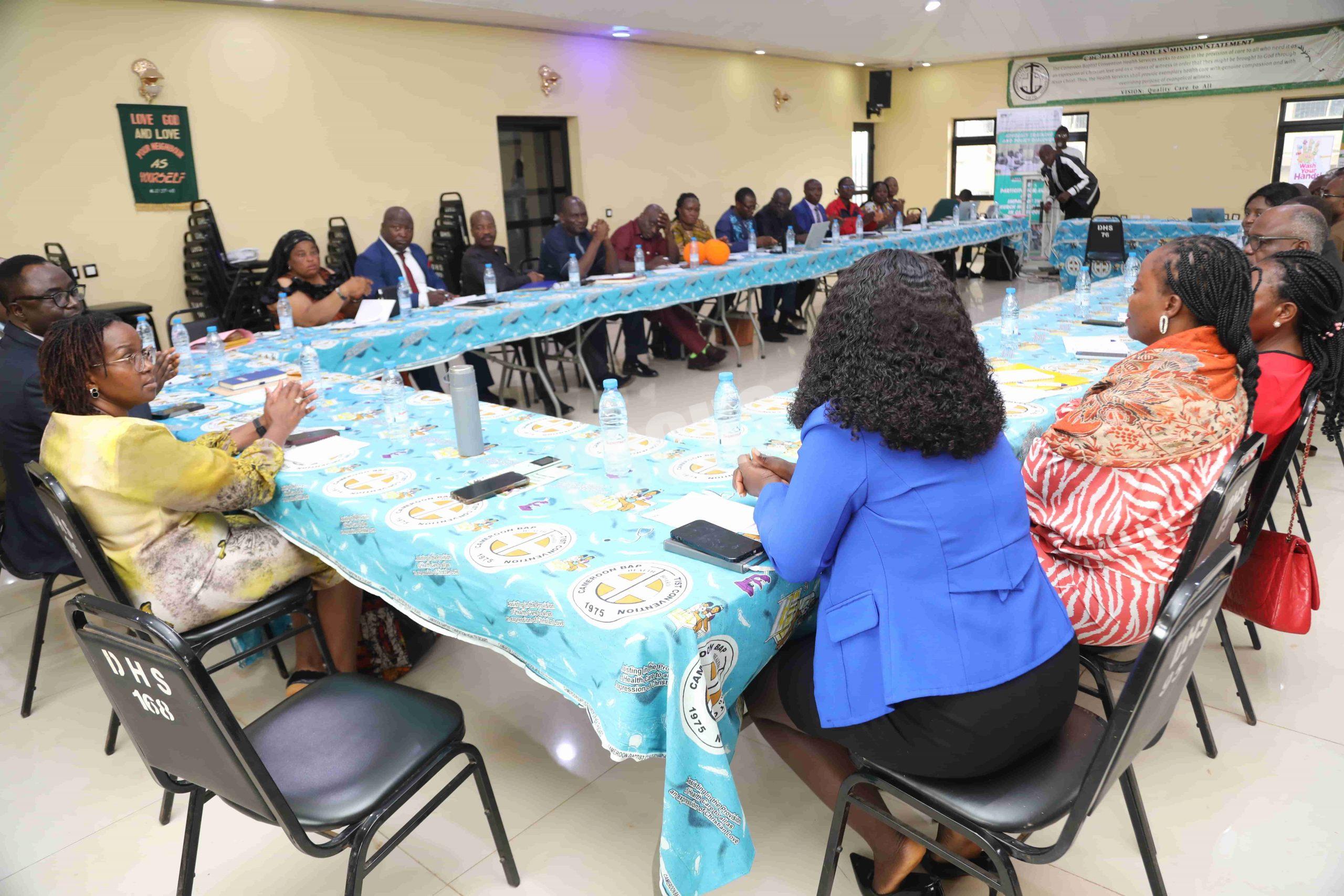
In his text, Rev. Dr. Mokaka reminded on how Jesus Christ identifies Himself as the Advocate Par Excellence who came to fulfill six thematic objectives: To preach the Gospel to the poor, To heal the brokenhearted, To proclaim liberty to the captives, To bring recovery of sight to the blind, To set at liberty those who are oppressed, and To proclaim the acceptable year of the Lord. The drive of the CBC Health Services in obtaining a stance in health policy advocacy for the benefit of the vulnerable, marginalized, and less privileged is a focus that cements its desire to leave no one behind in quality healthcare. The presentation of this advocacy path to leaders of the CBC Health Services, representatives from the Regional Delegation of Health, and a Universal Healthcare official was done by Mr. Warri Denis, Deputy Director for Administration and Finance for the CBC Health Services, who represented the Director.