In Cameroon, a significant number of persons with hearing impairment face exclusion due to communication challenges. While several initiatives to improve access to ear and hearing care services have been put in place for improved screening, diagnosis, and treatment, the lack of inclusive consultation for people who are deaf and hard of hearing not only limits access to these essential services, but also, negatively affects the quality of care.
According to the SEEPD Program Manager, Mr. Awa Jacques Chirac, more than 9% of Cameroonians need sign language interpretation to access health care equitably, like those without hearing impairment.
In response to this challenge, a 2-week training in basic sign language for Ear and Hearing Care (EHC) Clinical Officers recently took place at the CBC Health Services Mvan Resource Center in Yaounde. The training, which ran from April 27- May 6, 2026, took place within the context of the project, “Strengthening the Capacities of Ear and Hearing Care in Cameroon”.
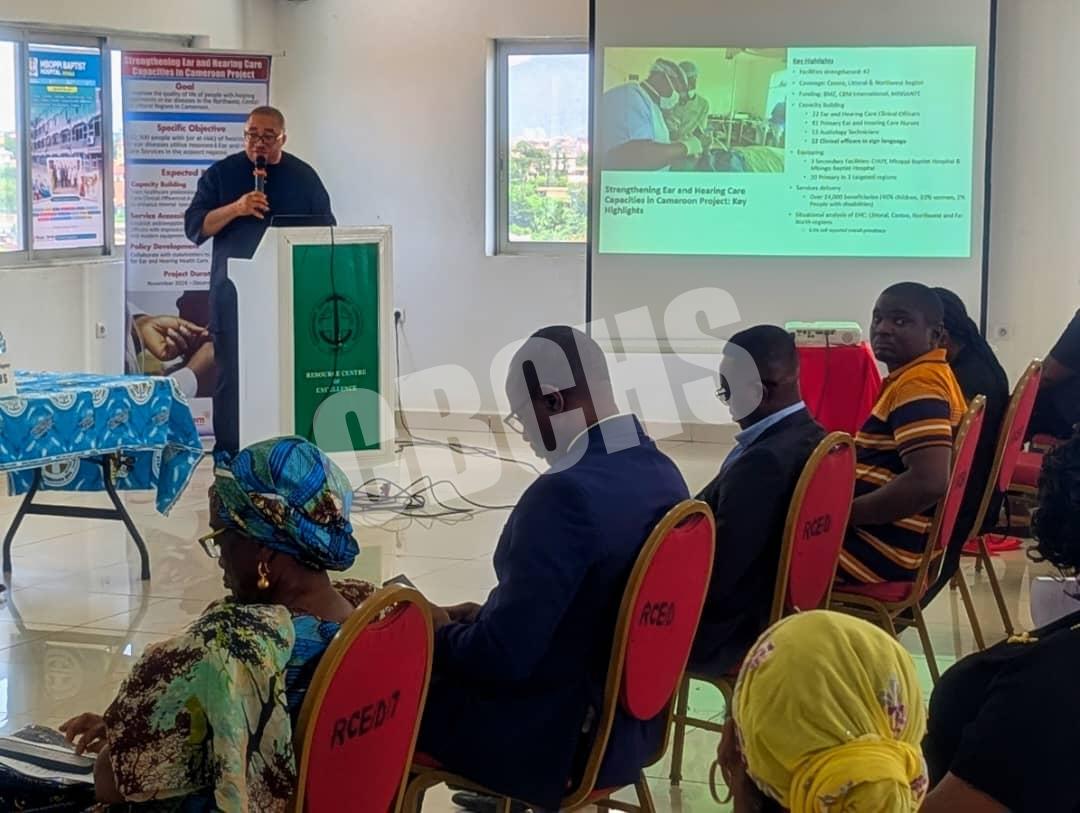
Mr. Awa Jacques Chirac stated that the objective of the training was to build practical skills of clinical officers in inclusive consultation services through the use of simplified French and American sign language vocabulary and promote communication and confidentiality in service delivery between health care providers and clients.
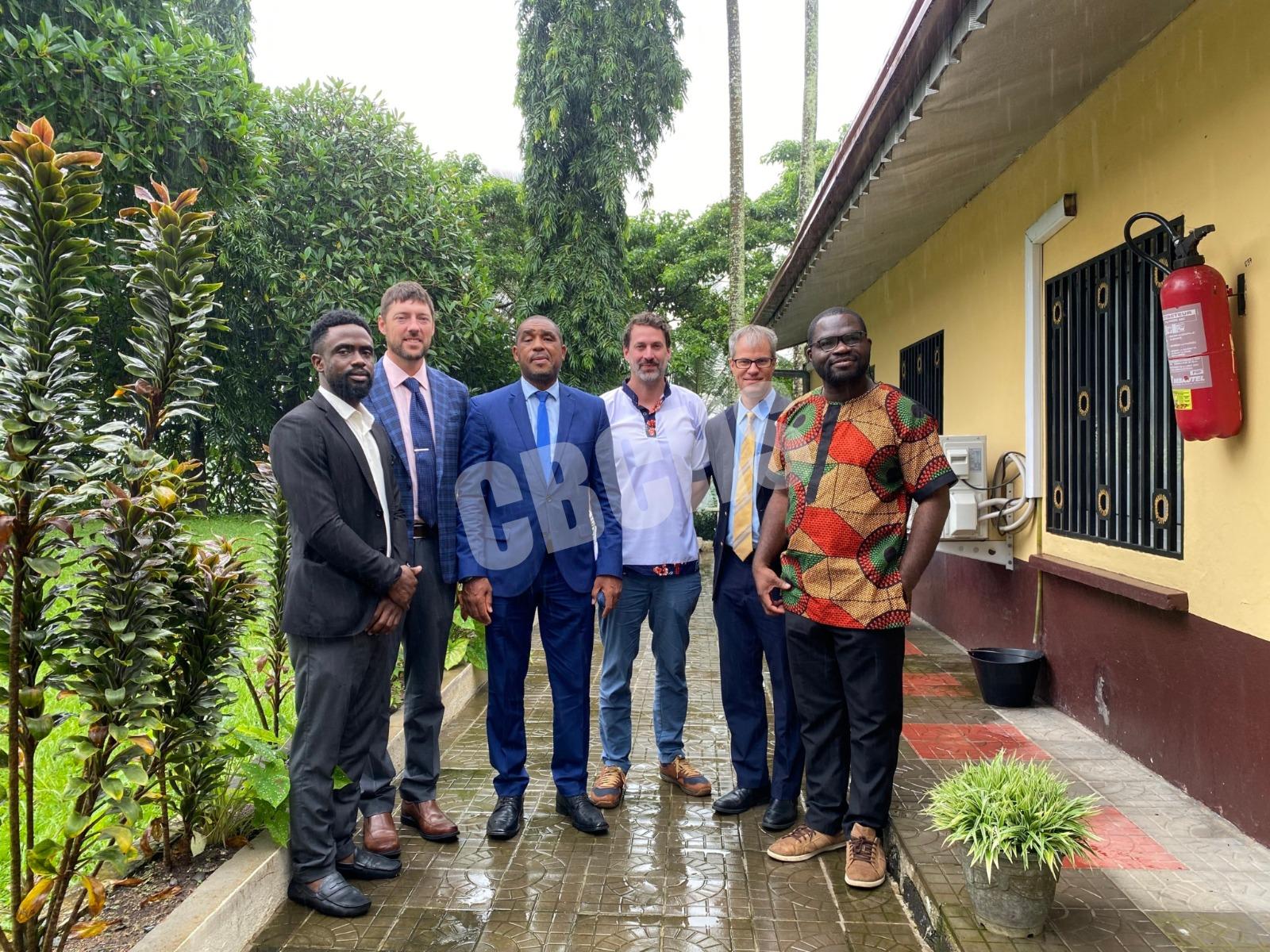
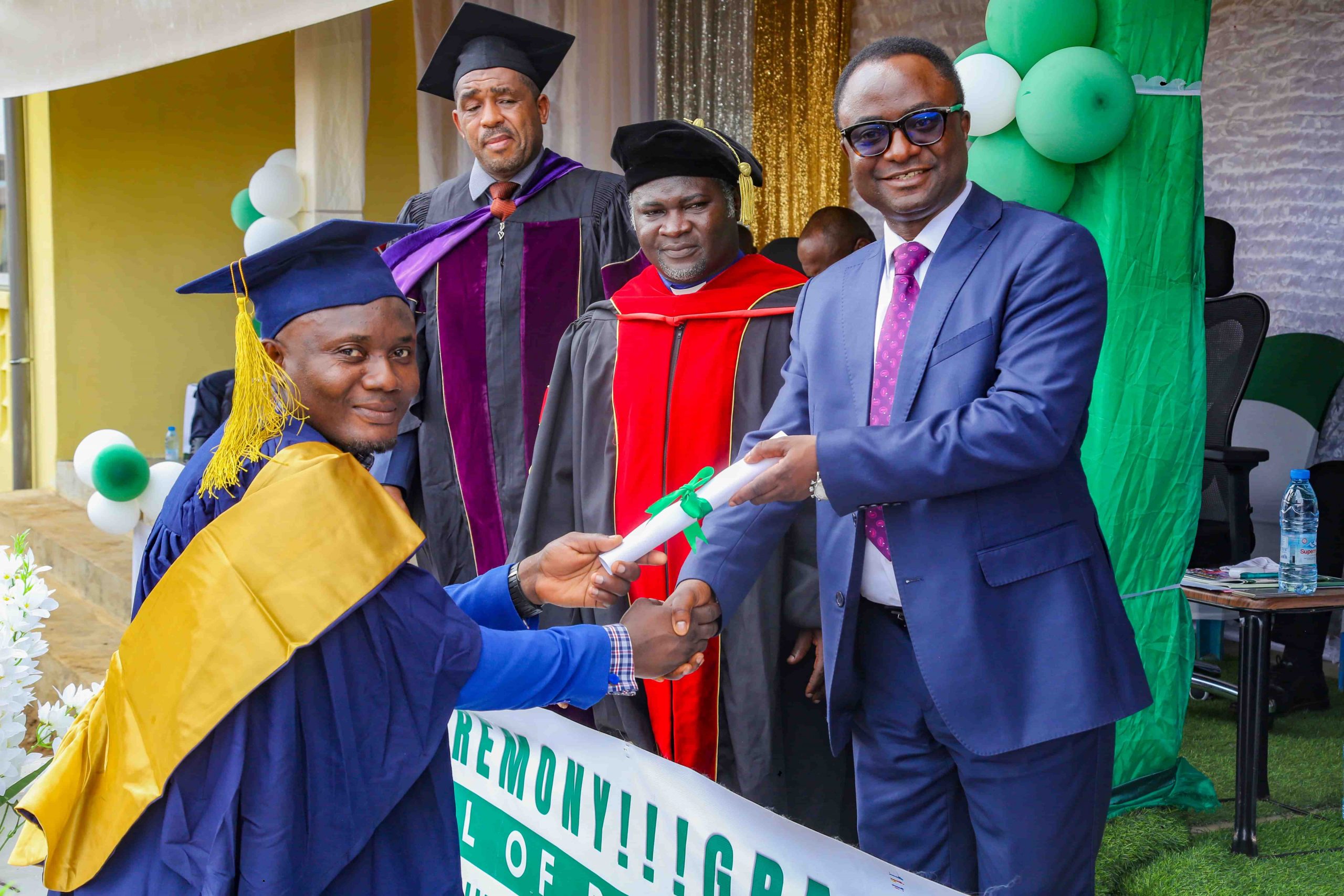
The opening ceremony was presided over by the Secretary General of the Ministry of Public Health, Prof. Njock Louis Richard, in the presence of the CBM Country Director, Mr. Fon Julius, the Director of CBC Health Services, Mr. Ngum Samuel, the Projects Principal Investigator – CBCHS, Prof. Tih Pius, Head of Department for the Faculty of Medicines University of Yaoundé I, Prof Djoumou Francois, representatives of MINSANTE, National Association for the Deaf Community (CANAD), Plateforme Inclusive, Nursing School of Yaoundé and the ear and hearing care (EHC) Clinical Officers from participating project implementing facilities.
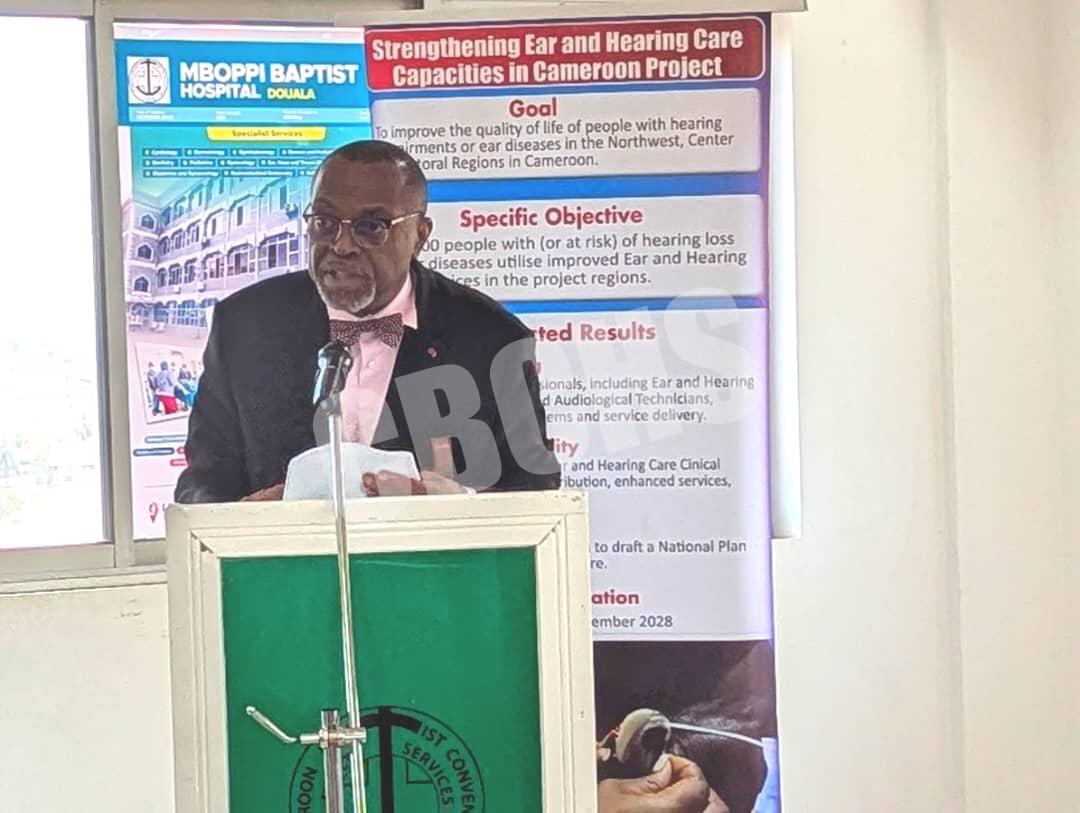
Prof. Njock commended CBC Health Services and its partners for collaborating with the Ministry of Public Health to make health services inclusive. He pledged the government’s commitment to promoting thee initiative.
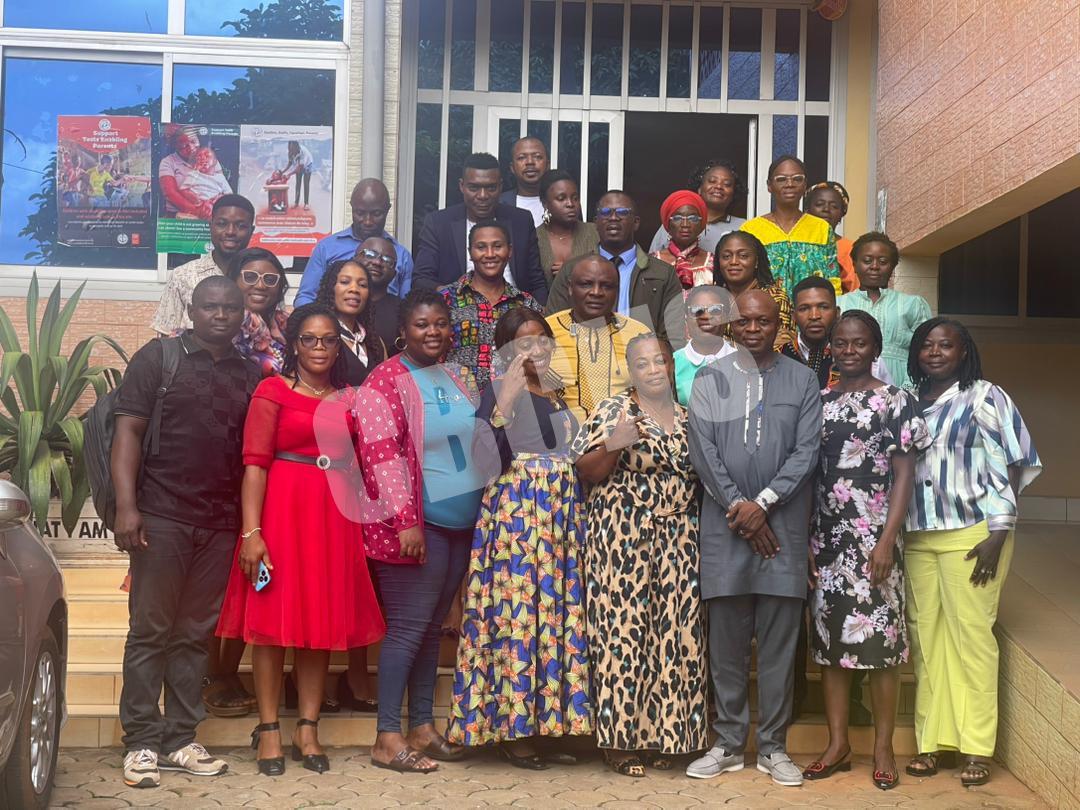
The Director of the CBC Health Services, Mr. Ngum Samuel welcomed the 22 clinical officers from partner health facilities. He appreciated them for their efforts in improving ear and hearing care services in Cameroon. Mr. Ngum underscored that the workshop was designed to equip EHC Clinical Officers with fundamental vocabulary and skills to conduct more inclusive consultations, safeguard confidentiality, and strengthen provider-client communication. He appreciated the German Federal Ministry for Economic Development and Cooperation (BMZ) and the Christian Blind Mission (CBM) for their invaluable support in strengthening ear and hearing care in Cameroon.
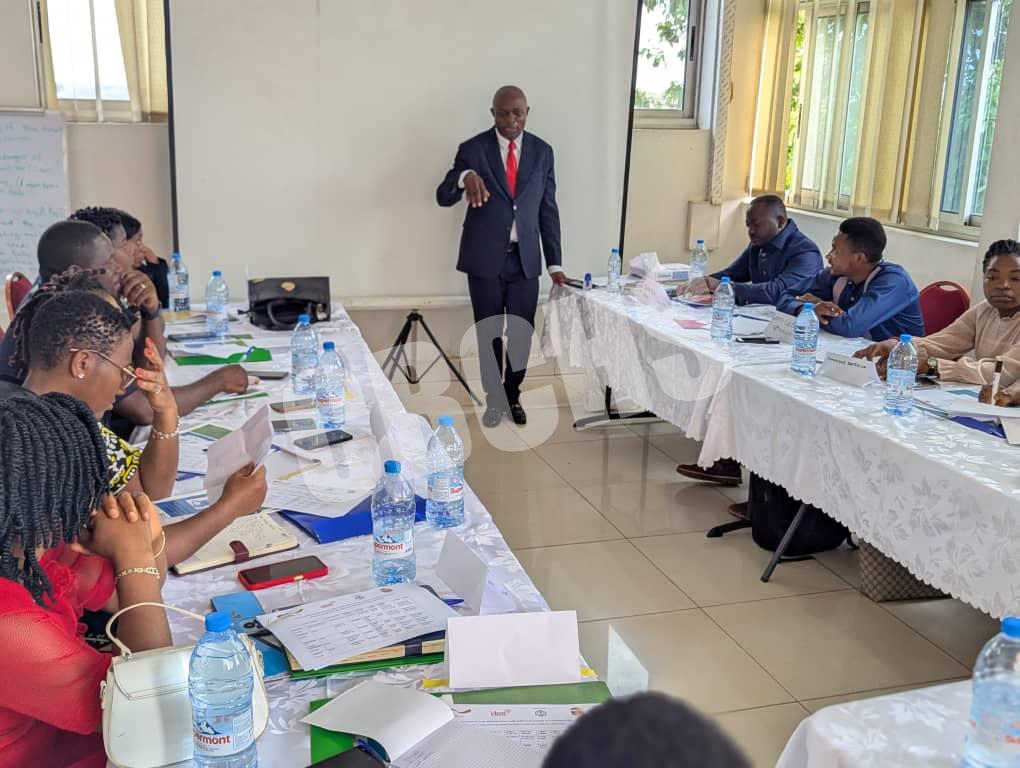
The CBM Country Director, Mr. Fon Julius encouraged participants to acquire the skills and impact the community. He described the training as one of its kind that BMZ and CBM are funding because of its importance to meet the challenging needs of communication for persons with hearing impairment.
The training was facilitated by a Sign language expert of the CBC Health Services, Mr. Che Manaseh, and assisted by Mrs. Ndong Racheal. The first week engaged participants through integrated foundational theory and practical exercises to deliver the following modules. A major highlight of the training was a practical simulation during each module, with a person hard of hearing in the French and English sessions, respectively, to demonstrate real-time experiences to the EHC clinical officers. Flash card games were also used to ensure active and interactive learning.
The sessions concluded with in-depth learning on practical application using signs to tell a story by constructing sentences with vocabulary from family, school, education, and hospital. The approach integrated learning to carry out practical sessions on consultations with deaf patients.
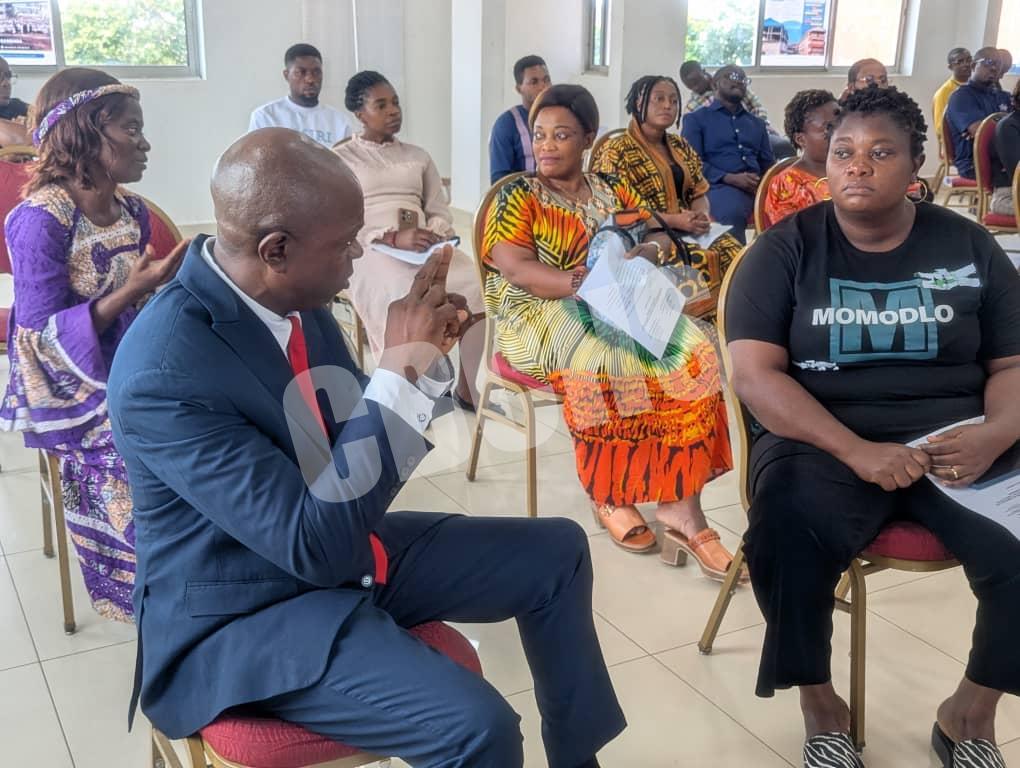
Participants drawn from 14 partner facilities of the project expressed joy at gaining such knowledge, which will enable them to offer inclusive consultation to patients. “I used to face a lot of difficulties consulting with clients with hearing impairment. This training has equipped me with basic skills to be able to communicate with them. We are so grateful that the funders are filling this gap by training us,” Rudolf Fomban testifies.
“This workshop is an eye opener to me because it will help me to be able to communicate directly with my client with hearing impairment” Amindeeh Celine from Central Hospital Yaoundé. After the Yaoundé training, hopes are high that patients with hearing impairment will be able to have access to ear and hearing care services without communication challenges.