In the conflict-affected hard-to-reach localities in Cameroon’s North West and South West regions, daily life continues under the weight of instability. Roadside explosions, unpredictable clashes, and repeated displacement remain part of the landscape, pushing families further into isolation and limiting access to essential services. In some conditions—where movement is restricted, trust is fragile, and adolescents often navigate risks alone—young people themselves have become a critical bridge to lifesaving information and care.
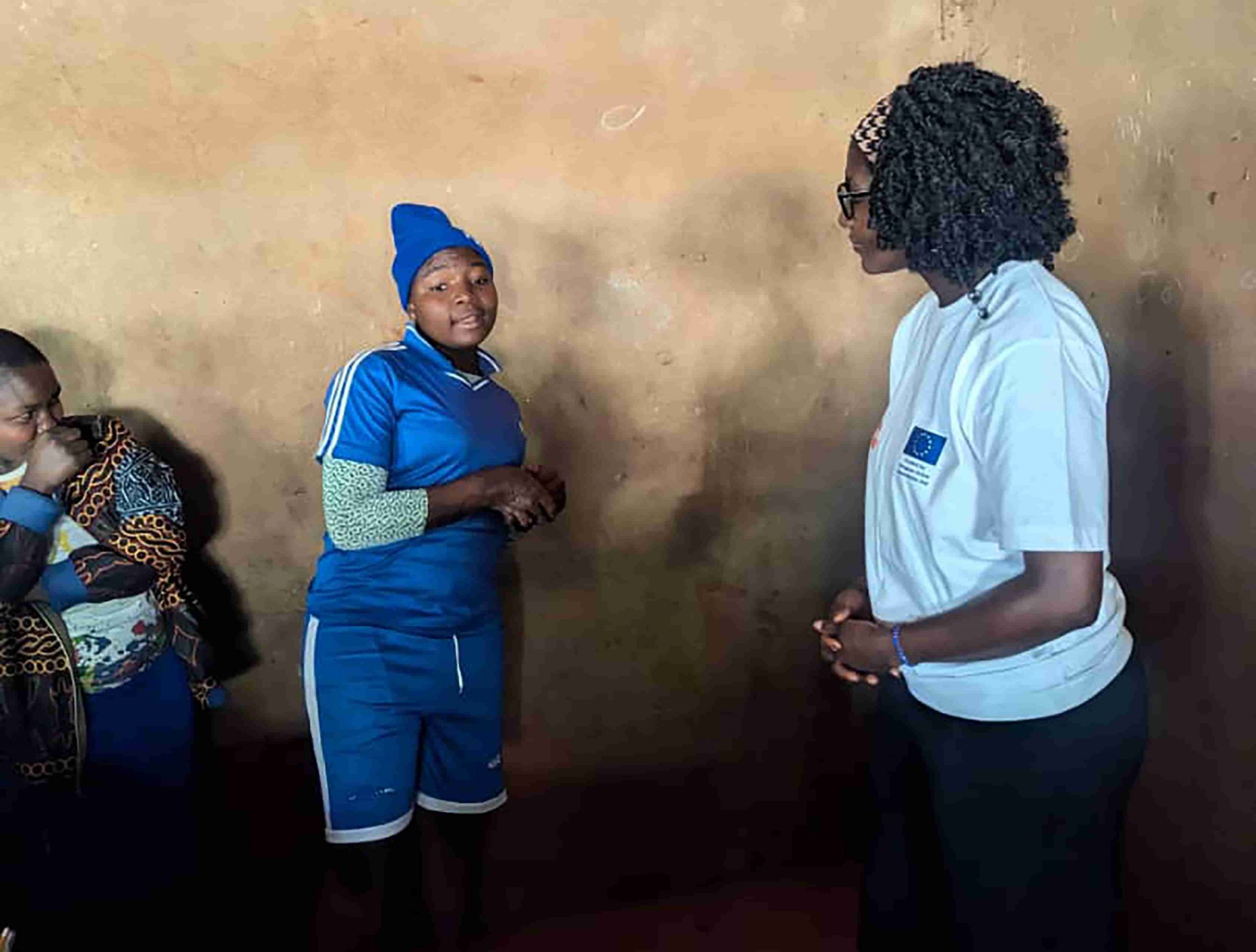
Over the past several months, youth peer educators trained under the UNFPA–ECHO project have stepped into this space with determination. After completing a training in Bafoussam in June 2025, they returned to their communities equipped to deliver accurate sexual and reproductive health (SRH) information, support survivors of gender-based violence (GBV), and encourage timely use of services. Their work now complements the efforts of ten midwives deployed across five CBCHS facilities in Ndu, Finkwi, Ashong, Kumba, and Ekondo-Titi expanding the reach of the project far beyond clinic walls.
Taking knowledge from classrooms to crisis-affected communities
The training exposed the youth to concepts such as the Minimum Initial Service Package (MISP) for SRH in emergencies, child protection, the basics of clinical management of rape (CMR), referral pathways, effective communication, and psychosocial support. The goal was simple: enable young people to speak confidently and responsibly to their peers about topics that are often considered taboo but are central to their safety and well-being.
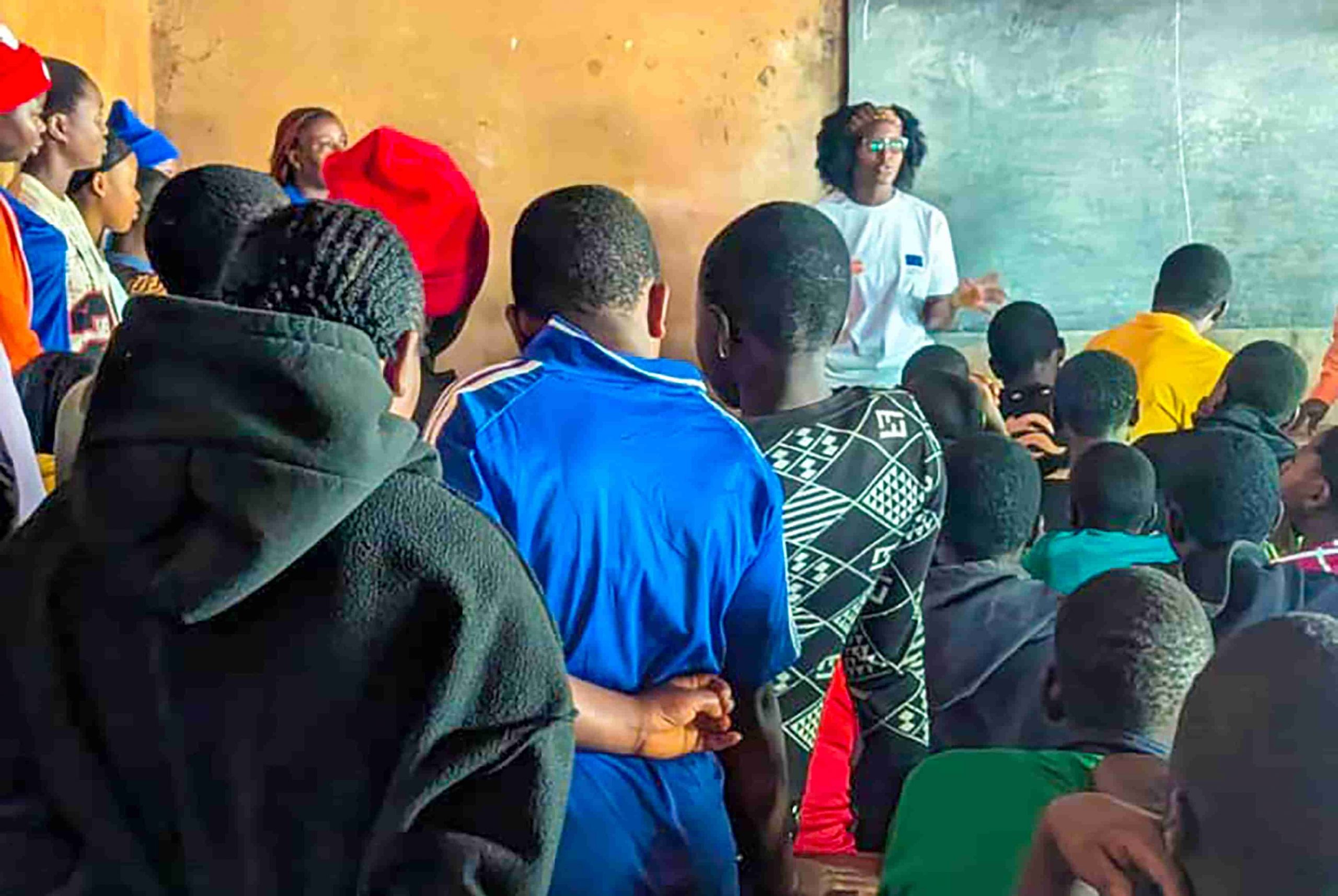
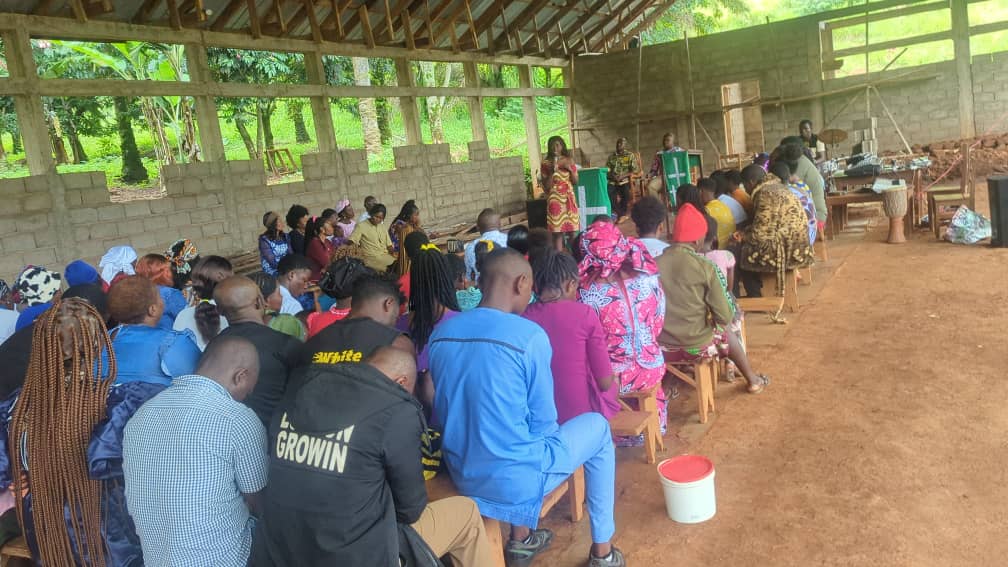
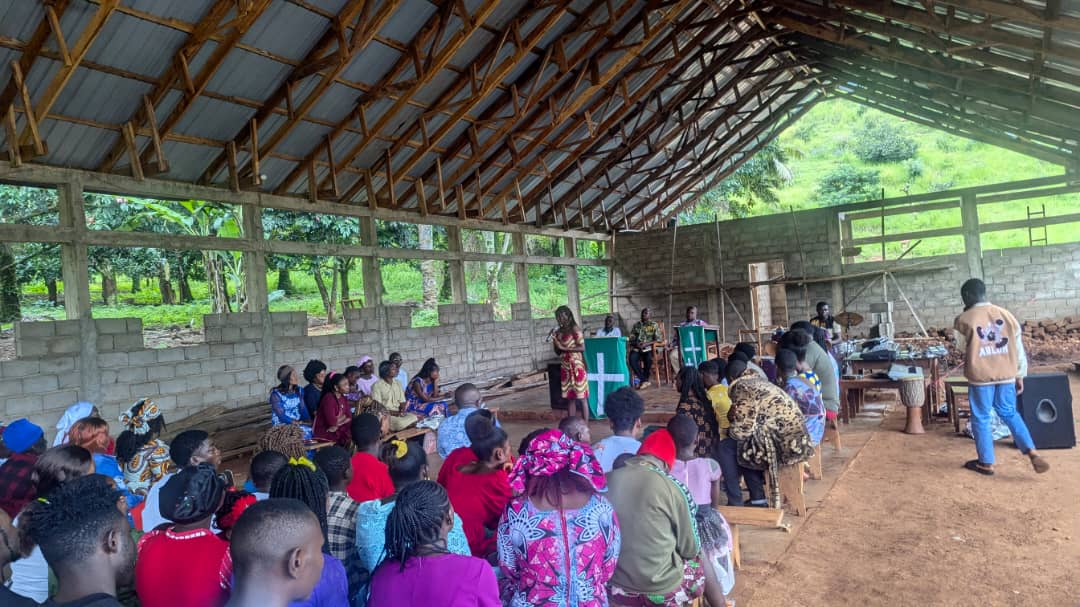
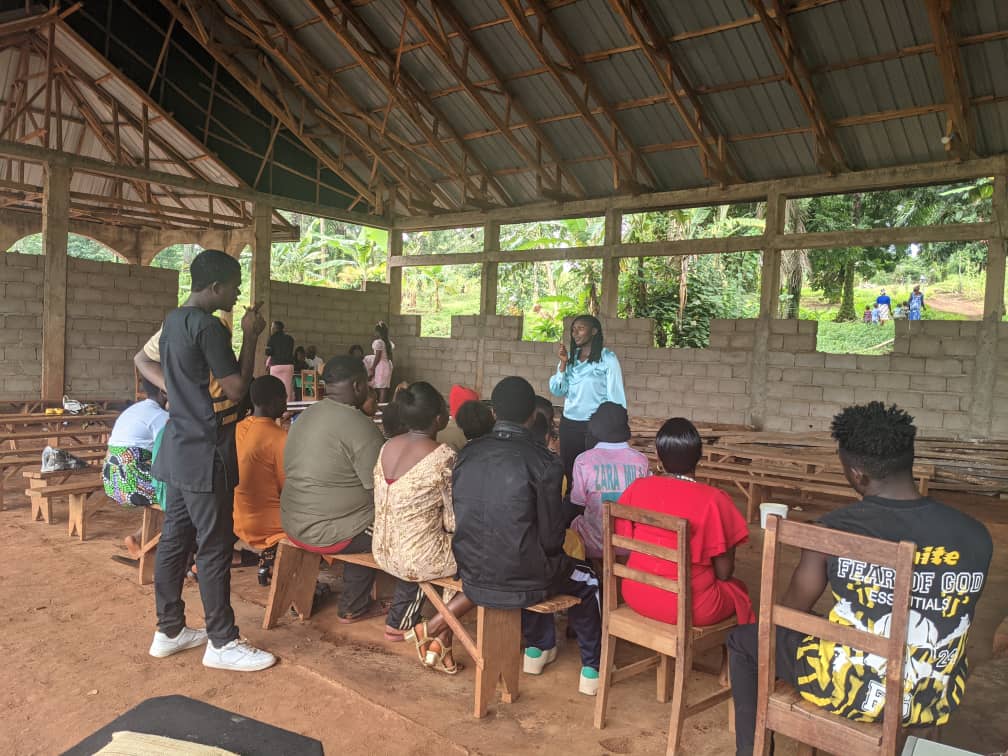
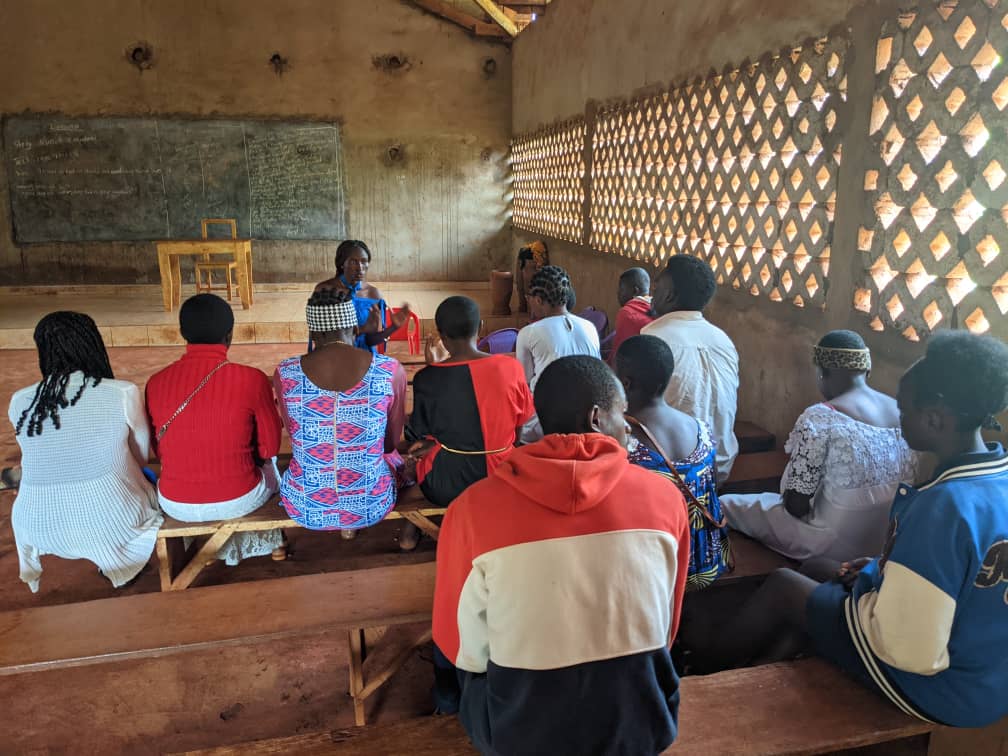
Once deployed back to their communities, the peer educators immediately put these skills into practice. Their presence is now woven into everyday community life—holding small group discussions behind health centers, visiting motorcycle parks during off-peak hours, sitting with internally displaced adolescents in abandoned classrooms, and organizing evening dialogues in church yards and school fields.
In places where the ongoing crisis has eroded the link between communities and formal health systems, these youth have become trusted sources of information. Adolescents who would hesitate to approach a health worker often find it easier to talk to someone their own age. With familiar faces guiding them, they begin to ask questions about contraception, sexually transmitted infections, menstrual hygiene, and healthy relationships—topics many had never openly discussed before.
Opening doors to care that was previously out of reach
One of the clearest impacts of the peer educators’ work is the growing number of young people now seeking services at the five facilities supported by the project. Many adolescents had long believed that SRH or GBV services were “not for them,” or that approaching a midwife would lead to stigma. Others simply did not know help existed.
Through repeated sensitization and informal conversations, peer educators explain what services are available, who can access them, and why early care matters. They clarify what happens during consultations, break down misconceptions about family planning, and give adolescents the confidence to approach the midwives when needed. As a result, more young people are visiting facilities for contraception, STI screening, safe delivery information, and timely post-violence care.
Peer educators also act as first-line connectors when they identify survivors of violence or adolescents in urgent need of medical or psychosocial support. Because they live within the communities, they are often the first to notice when a girl suddenly withdraws from activities or when a boy appears distressed after a household incident. Their ability to recognize the warning signs—something strengthened during their training allows them to facilitate rapid referrals, ensuring survivors reach care within critical time windows.
Filling the gaps left by insecurity and limited access
For the deployed midwives, the presence of peer educators has transformed community outreach. Midwives stationed in remote or high-risk areas face challenges that include insecurity, poor road access, and resistance from communities still traumatized by conflict. They cannot always leave the facility to run awareness campaigns or trace adolescents who need follow-up.
Peer educators help close these gaps. Through their daily interactions, they gather information about emerging needs, community concerns, and patterns of risk among adolescents. They help facilities understand where misinformation persists, which groups remain unreached, and what barriers prevent young people from using services. This feedback allows midwives to tailor facility-based counselling, prepare relevant IEC materials, and plan service days that respond directly to what communities are experiencing.
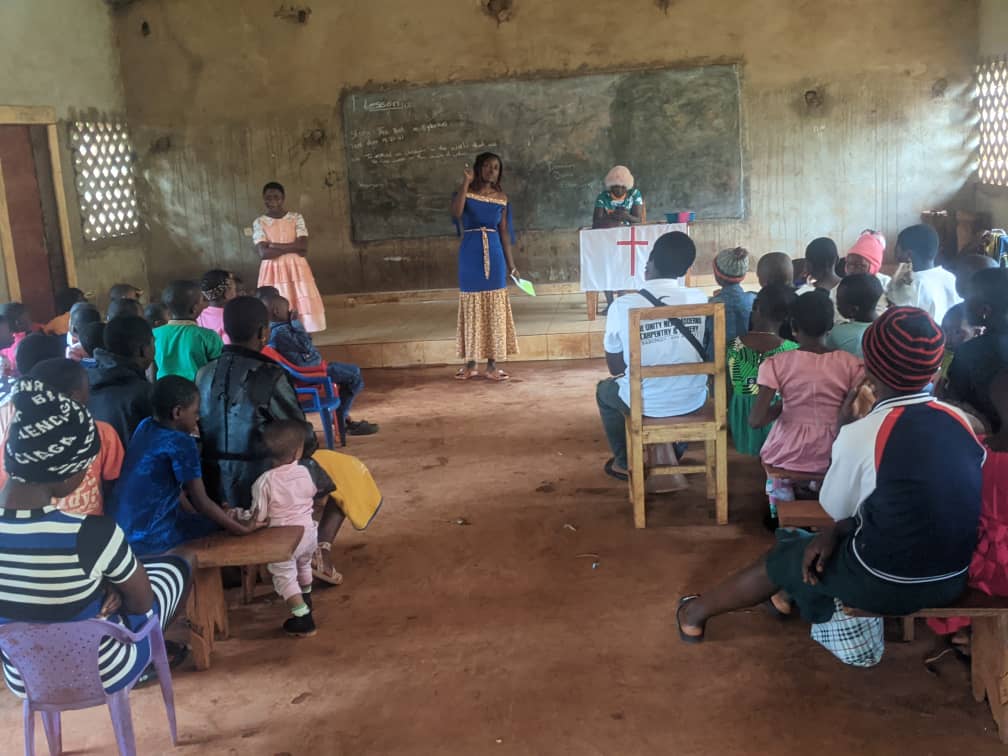
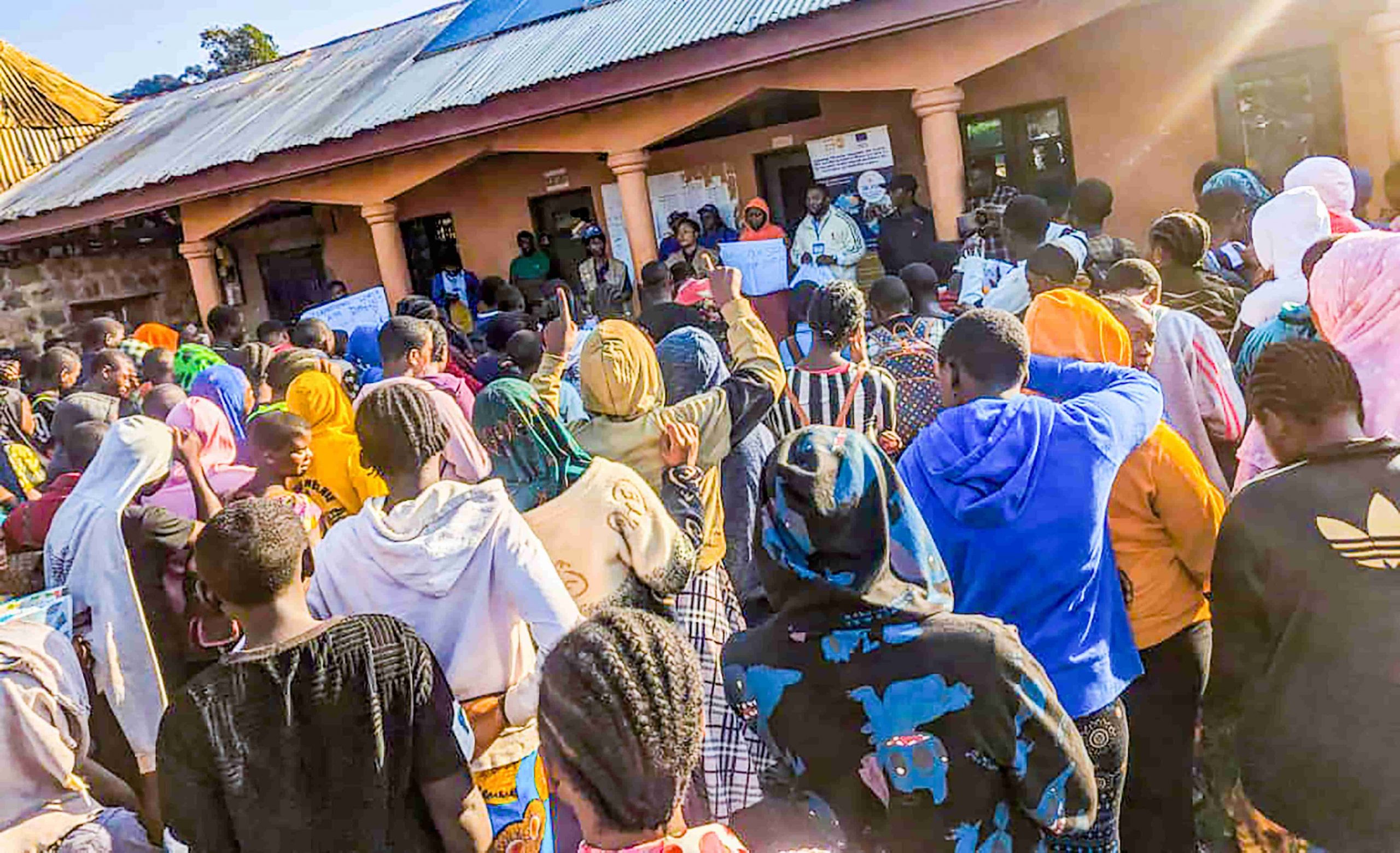
In several locations, peer educators have also supported midwives during service days by assisting with crowd sensitization, guiding adolescents through registration, and ensuring privacy for survivors. Their presence makes health facilities feel more welcoming, especially to young clients who might otherwise feel intimidated.
Shifting attitudes among boys, girls, and caregivers
Beyond service uptake, the peer educators have contributed to gradual but noticeable shifts in community attitudes. Young men are beginning to engage more openly in conversations about consent, shared responsibility in relationships, and the importance of protecting their partners. Girls are asking questions about bodily autonomy, safe choices, and pathways to support.
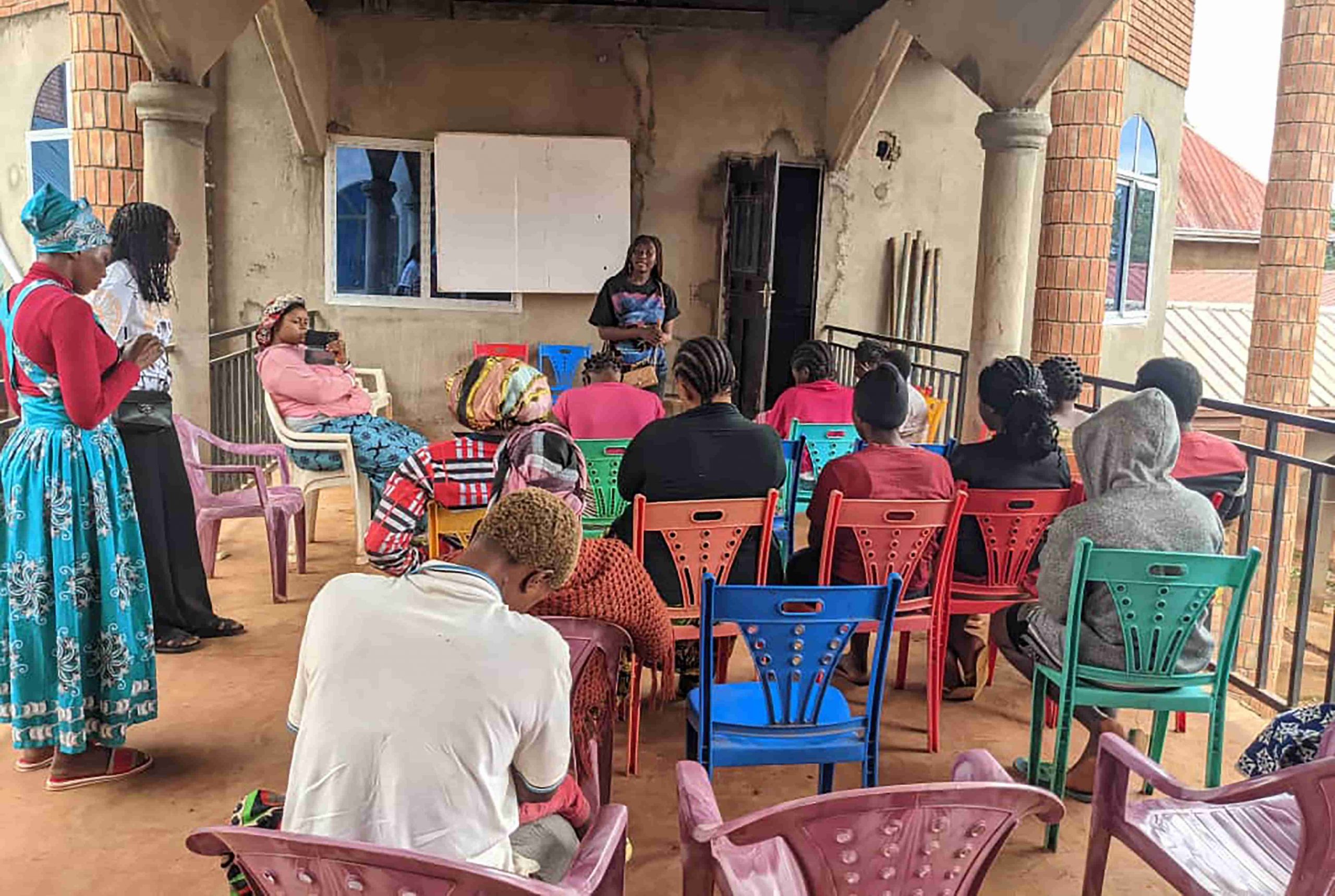
In some neighborhoods, older caregivers and community leaders have begun to acknowledge the value of youth-led education. What initially seemed unconventional—young people teaching other young people—has proven effective in breaking long-standing silence around GBV and adolescent SRH.
Building resilience in the midst of crisis
The combination of youth peer educators and trained midwives has created a system where healthcare extends well beyond the boundaries of a health facility. It reaches adolescents in their daily environments, accompanies them through decision-making, and ensures that professional support is available when needed. This synergy is particularly vital in a region where insecurity frequently interrupts mobility and where survivors cannot always travel unaccompanied.
By bringing information closer to households and guiding adolescents toward professional care, peer educators are strengthening community resilience. Their work reinforces dignity, restores trust, and empowers young people to take control of their health even in the most challenging circumstances.
A growing foundation for long-term change
The early outcomes of this initiative demonstrate the potential of youth leadership in humanitarian settings. The peer educators have not only increased awareness and service uptake; they have also cultivated a network of safe spaces where adolescents feel heard and supported. Their continued presence ensures that lifesaving SRH and GBV services—delivered by the deployed midwives—are not just available, but accessible, understood, and accepted.
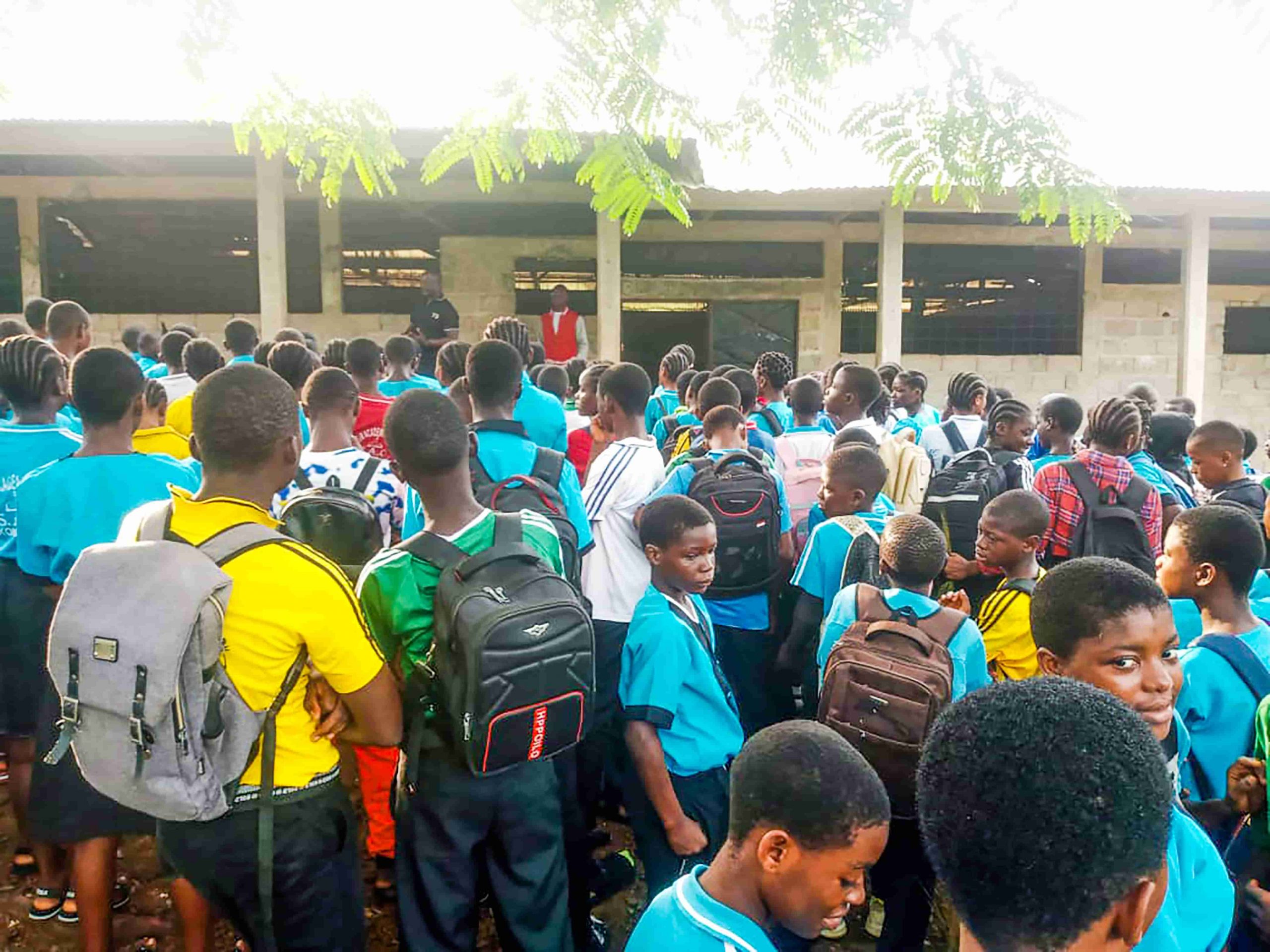
In communities still recovering from years of crisis, these young leaders are laying the foundation for long-term change. With each conversation held under a mango tree, behind a classroom, or at a busy market stall, they are helping shape a future where young people can seek care without fear, families can make informed choices, and resilience grows from within.