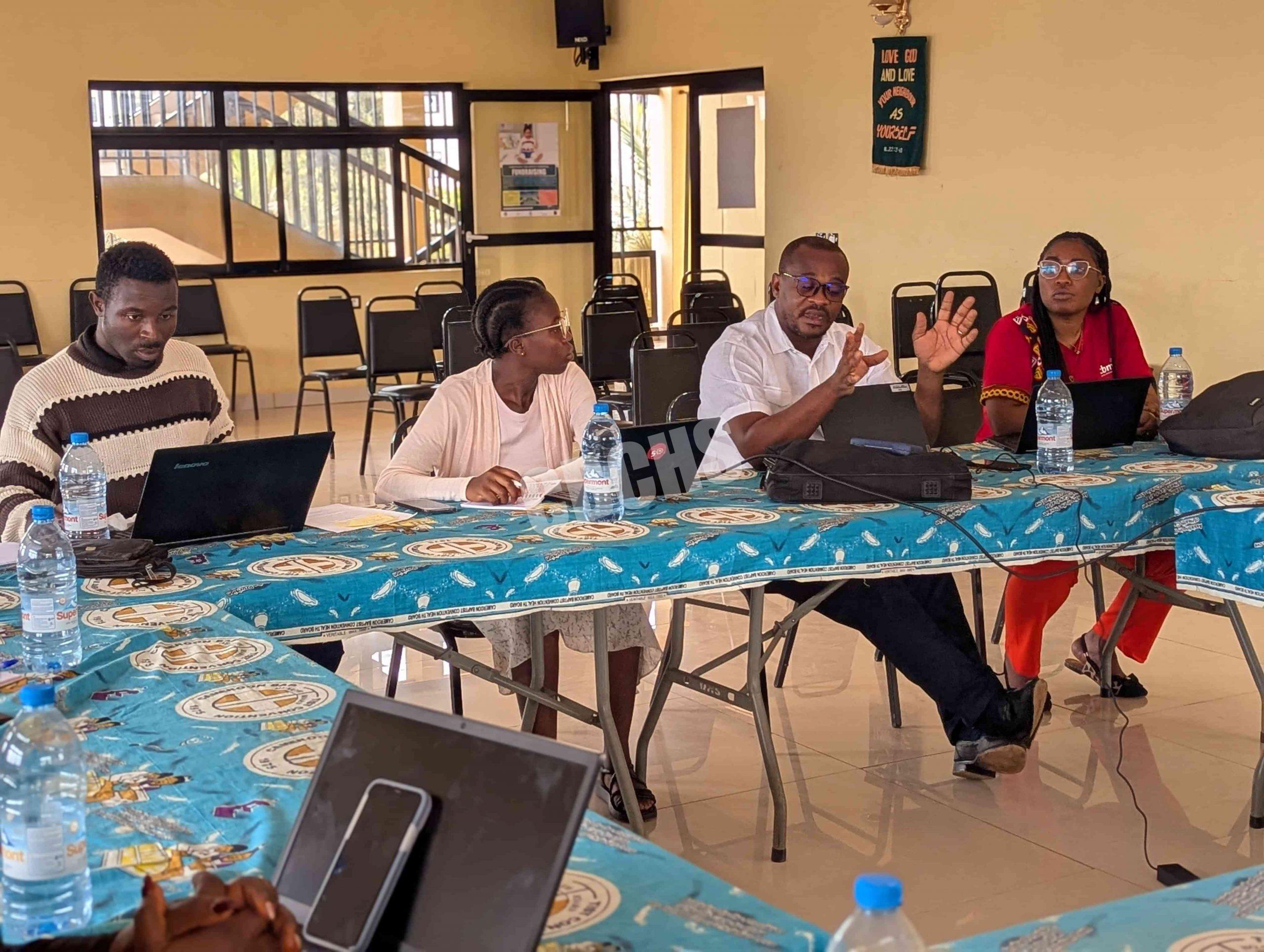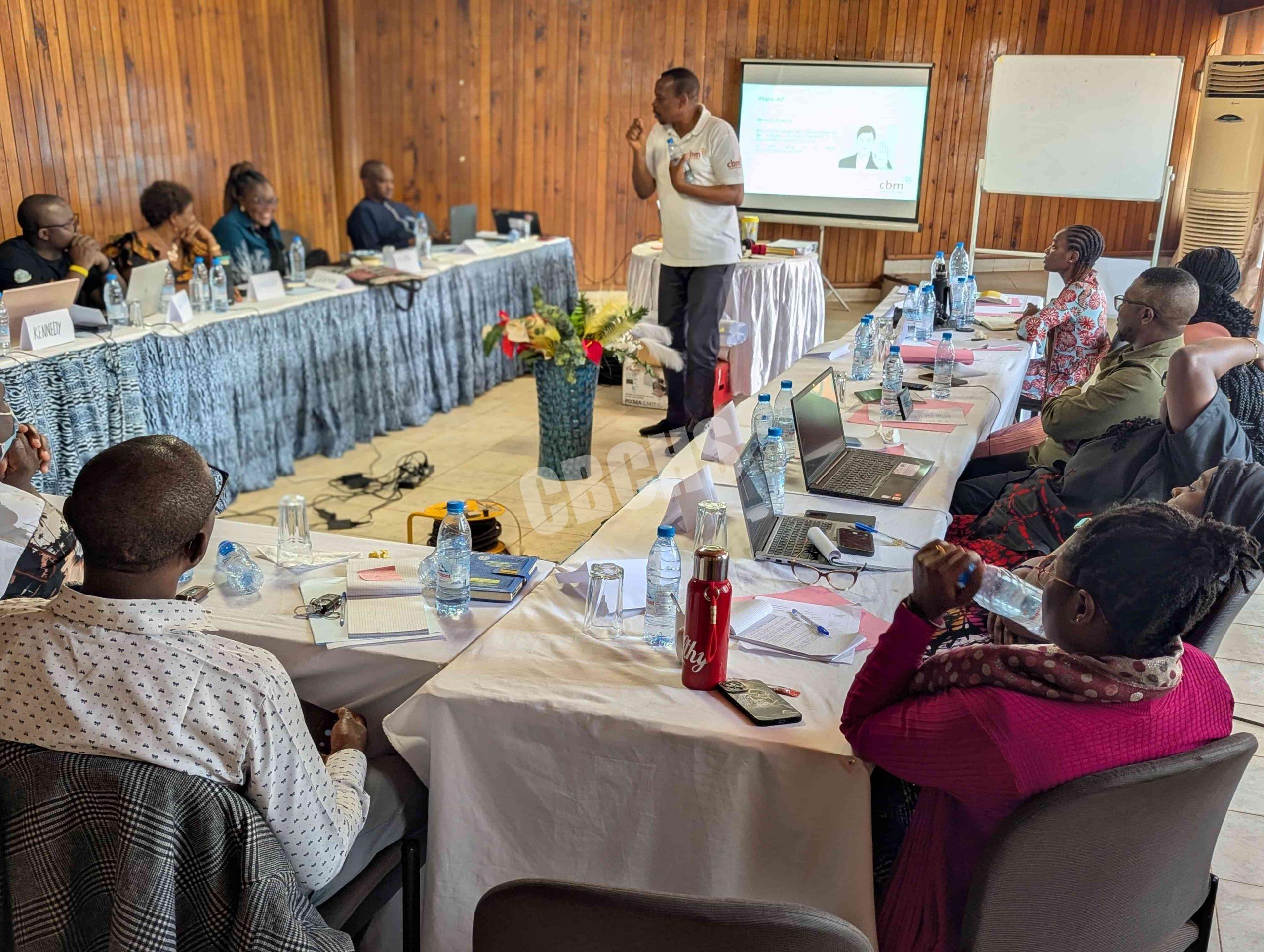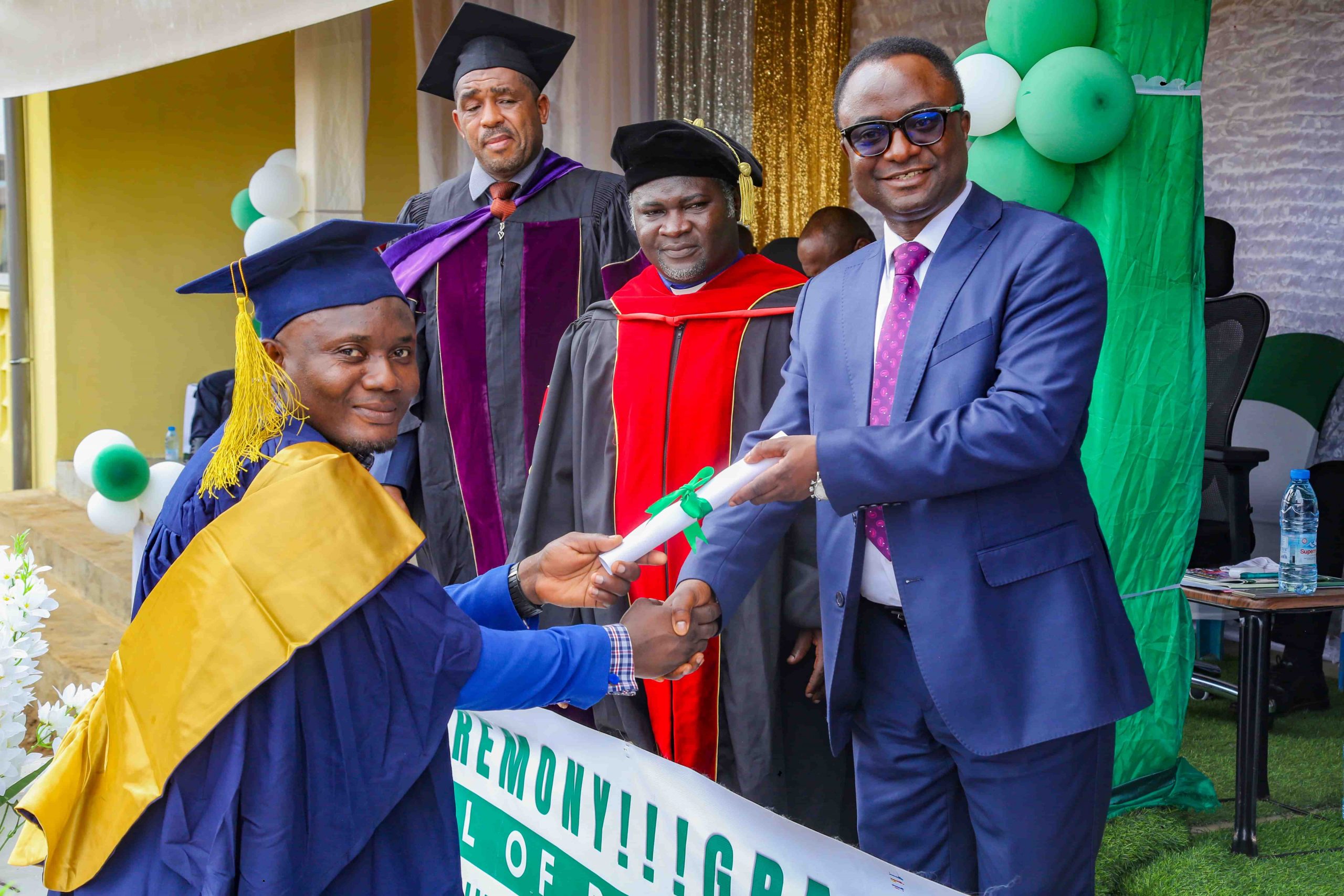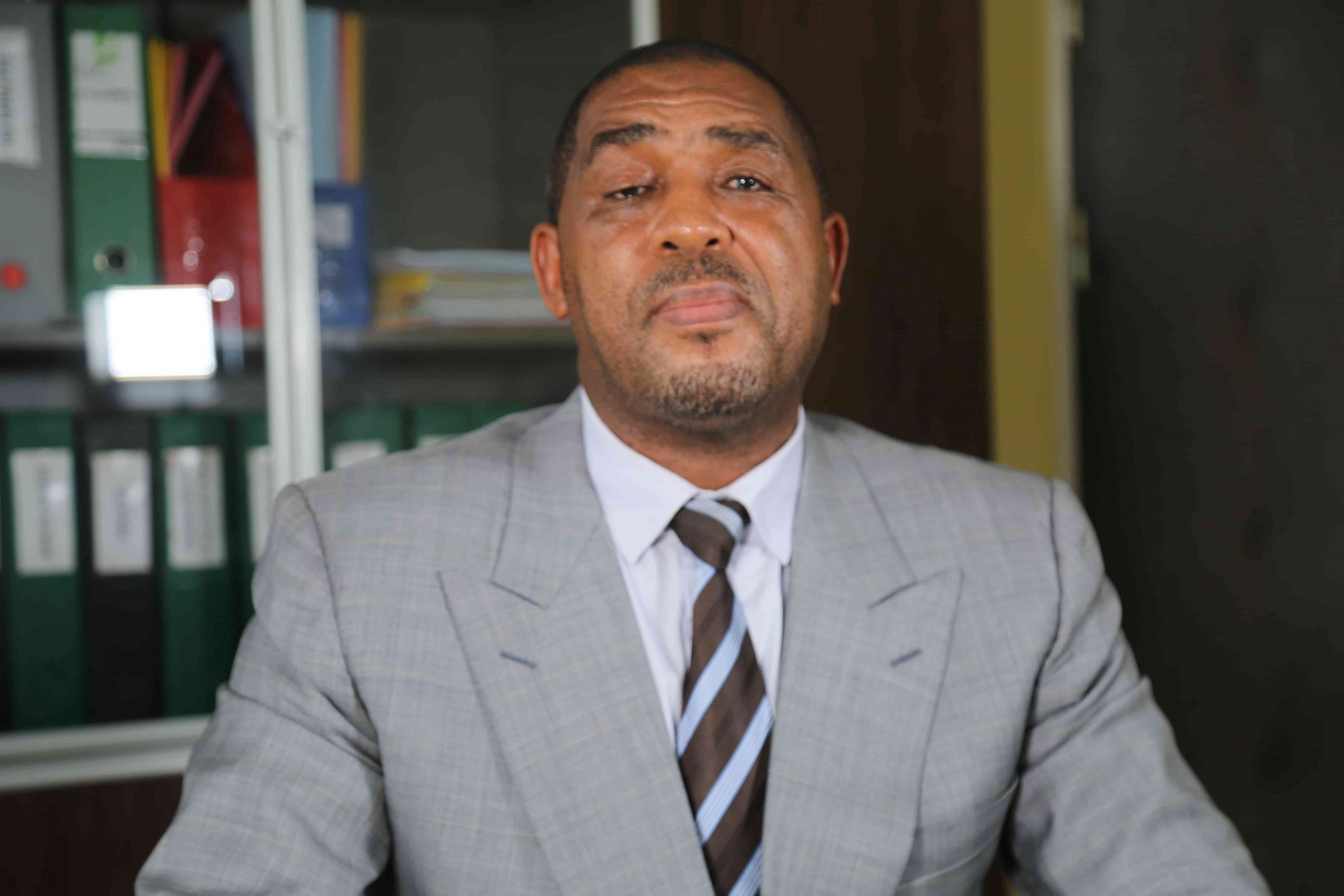
The health care system in Africa is at crossroads if nothing is done about the general dwindling support from the West. In a brief but exclusive interview with CBC Health Services Communication Unit, the Director of Health Services (DHS), Mr. Ngum Samuel gives insights into his trip to Kenya from November 15-17, 2025 together with the CBC Executive President, Rev. Dr. Teke John Ekema. The DHS also remarks on the Children Hospital, which construction works would be launched on January 16, 2026 at the Health Services Complex in Mutengene. He spoke with Clementina Njang Yong and Bonkung Handerson. Excerpts……
Sir, you recently returned from Kenya for an important consortium. What was this meeting all about?
DHS: Ok, the meeting in Kenya was a meeting for faith leaders and church leaders especially in the domain of health and this meeting had as theme; “One Voice, One Faith – A commitment to health and wholeness in Africa”. It was a very big theme and this meeting came about due to the fact that we are having a lot of official developmental assistance being cut globally not only from the US, but also globally and it is affecting our patients, it is affecting our communities, it is affecting us even on how we are there to render services to our communities in terms of health care. So, the church leaders gathered from 10 African countries with about 45 church leaders. In Cameroon there were 5 church leaders including the Moderator of the Presbyterian Church in Cameroon, the Anglican Church, the Secretary General of the Circle of Protestant Churches, the CBC Executive President and myself, the Director of Health Services. We were all for this meeting in order to discuss and to see the way forward.
How do we do from here, how do we go when all the developmental assistance had really dwindled, had dropped. What do we have? How can we come to the negotiating tables, how can we even make healthcare more affordable to our people? We talk about universal health coverage. We talk about non-communicable diseases. We are at the crossroads of crises. We are at the crossroads of pandemics. We are even at the moment, maybe, going to face a reversal of what has been gained through the different fundings, and the different public health programs that were running. If this begins to reverse then our people are in danger. So, we cannot just sit and fold our arms and look at it go. Many of our colleagues, many of the archbishops said we cannot just think of getting funding from the West because the taps are going to dry. The taps are drying out. How can we become resourceful? We have a lot of resources we have a lot of human resources, intellect, we have infrastructural, we have every other thing that surrounds healthcare that we can leverage on, in order to really develop a sustainable health care system in terms of all the aspects and building blocks of a health care system.
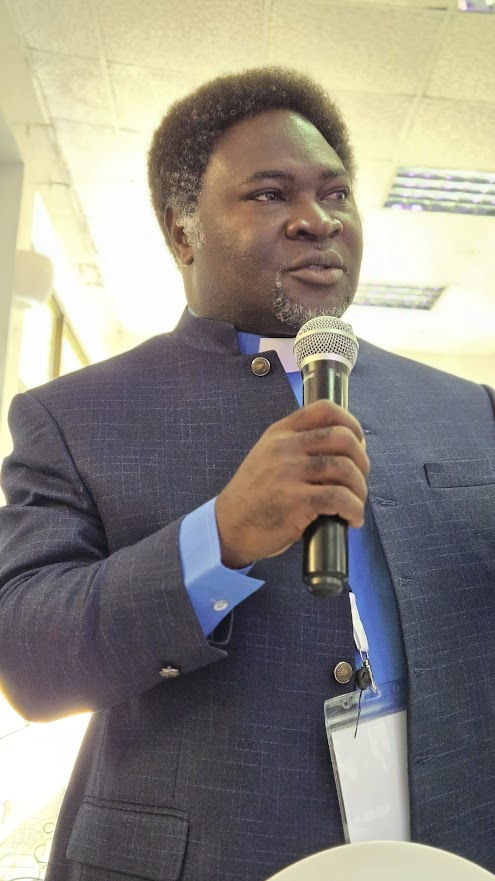
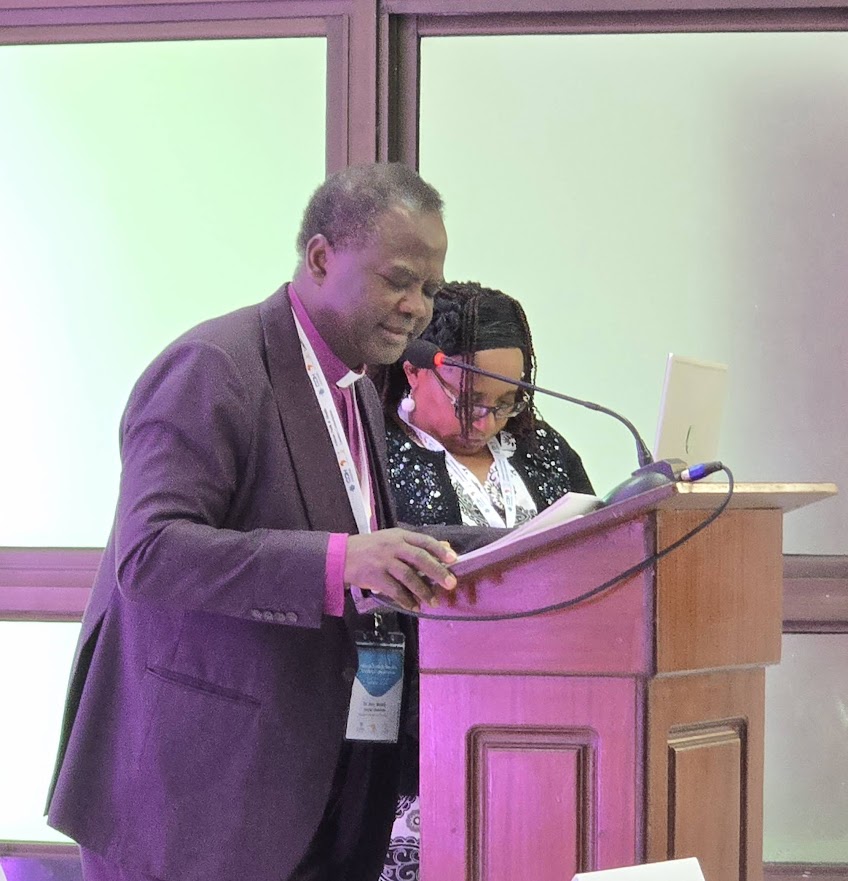
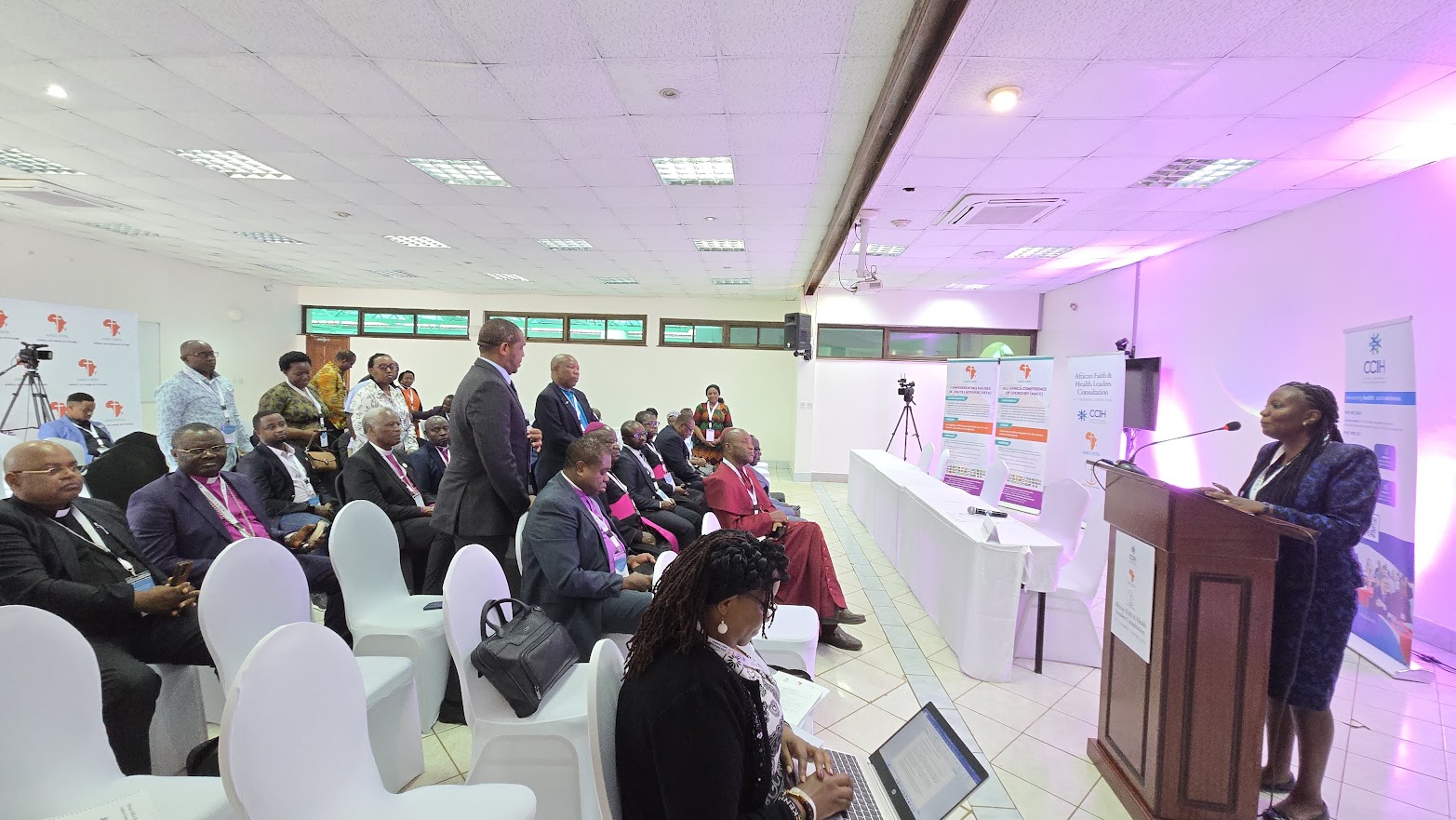
This is why the faith leaders met, and they also wanted to make their voices heard. We, as church health organisations, we are actually doing a lot, in terms of the care and health of our population. So, we need to be partners in every other decision making that involves healthcare in our country. That was one of the major things that brought us to Kenya and it ended with a call to action. It ended with a press conference that permitted us to actually have interactions with the wider community and with the press. So that people will actually know that as church healthcare providers, we are there to complement the governments of every one of these countries that we represent to actually bring healthcare to the people. We are not competitors, we complement even in the country through the district management system because we are part of the district. Every one of our hospitals is part of the district. So, it’s a complimentary role that the church health organisation is bringing into the country. And we really thank God that the Ministry of Health has this in mind. And we have many partnerships, we have many MOUs that we are working in this direction with the Ministry of Health for the healthcare delivery in the country.
I think you have by extension answered one of the questions except you have another thing to add to it, which was how the African health leaders are prepared to close this gap and any way forward?
DHS: Yes, these gaps, the gaps are there. They are being created. You know we had a lot of community health, community involvement that was going on in all the aspects of health care; be it preventive, be it promotive, be it rehabilitative, be it clinical care that were all in these areas. So, we already have the infrastructure that we simply need to strengthen. We even have supply chain systems. We have our centralised pharmacies that even do production. They are authorised, they are authorised entities by the state, by the ministry of public health to even manufacture. We need to leverage on all of these. We need to leverage on the facilities we already have. At times our bed occupancy is not even at the maximum. We need to work so that our people can access care and affordably in every aspect. So, the gaps will actually be filled through what we already have, through equitable partnerships, through collaboration with likeminded organisations that really want to promote our vision so that we work together. There are so many public-private partnerships that we can exploit. As a church, as a faith-based organisation, we need to be more united to harness the efforts and synergise what we already have. We have a lot of resources that are scattered here and there but we need to work collaboratively. Now is the time to build more effective networks, that actually will work for our communities and for our population.
Before going to Kenya, I trust that you had something in mind. Would you consider the meeting in Kenya as an educative session? What did you learn and how is it going to impact us?
DHS: Yes! Before going to Kenya actually it’s also a networking environment not only for education. Yes, for education there are always new things you will learn in every conference because you can never say you are still knowledgeable not to learn new things. There are always new things, even it’s a single phrase that comes from one of the persons. I mean it’s in Kenya that I even learned that there was a signing of the state that they are going to allocate at least 50% of the GDP to healthcare. Before leaving Cameroon, I did not know that African countries have ratified that. So that is something new to me, and looking towards that to see how these resources can really be allocated to healthcare. So, there is a lot that you will always like to learn when you attend every conference. We always say when you reach a certain level in the career or in your life, you do not learn so many things again from the classroom. You get them from conferences and this is the sharpening. The Bible will says as one man sharpens another so we sharpen each other as leaders, so that we become better leaders for healthcare delivery in Africa.
Sir, permit us talk a bit on something else. We already know that the CBC health services already run health facilities in Cameroon. Why do you think a hospital specifically for children is important and what difference is it going to make?
DHS: Thank you very much. The CBC Health Services has a huge number of facilities ranging from hospitals to health centres. But in the actual sense of it, we have all these hospitals but we don’t yet have a specialised hospital. A hospital that is specialised on a particular group of persons or particular type of disease. So having a children’s hospital is a tertiary type of hospital which is specialised and we really want to have a state-of-the-art hospital. Most often, in-country, we have paediatric hospitals but it’s always combined paediatric that is mother and child, not specifically children. So, this time we don’t want to treat children as miniature adults. We want to have children as children so that they have their space dedicated to them and having all the amenities that are needed for a child’s wellbeing in a particular environment. That is why we envision that having a children’s hospital will be a very big added value to our health facilities that we already run across the country.
As an individual and as the head of the CBC Health Services, what would you say about the hospital. What is your opinion about it and generally about the project of the hospital?
DHS: Yes! truly it’s a very ambitious project. When we talk of ambitious projects it means they are projects that at times go far beyond the vision of what many people can imagine the hospital. In the West, we have seen actually what the children’s hospital are, and my personal feelings about this hospital is really that of pride that of happiness and that of joy, that at the end of the day, we will be able to have one hospital in the CBC Health Services that is specialised. If you must have listened to my inaugural speech, you heard me talking about a specialised hospital that we have reached a certain level where we need to be specialising. It’s the same thing even for our specialists. We need to be having sub-specialties which bring more pointed care to the people of that age group. So that’s really my impression about having this hospital today. It’s a pride for Cameroon, it’s a pride for the CBC Health Services and it’s a pride to our community.
To the projects and the funders with whom you are working, what would you say?
DHS: Oh! Wonderful funders. We have our major partner which is Dr. Daniel Ngwan-Nulla and his team that are there to support; they were the vision bearers of this children hospital. So, they have really been mobilising funds, working on the design, bringing that touch that many of us cannot really see it, so that this hospital is actually a state-of-the-art hospital. I say a big ‘Thank you’ to them all.
Thank you very much sir for your time
DHS: Welcome