Thirty-eight years-old Louba Ngnigui Oummamatou, a Muslim who hails from Foumban and resident in Yaounde, is one of the beneficiaries of the 2026 World Hearing Day activities, who praises the organizers for their impact. She has three children, all of whom have ear problems, which has been a source of concern for them as parents. Aisha Salsabil, 5 years old; Hawa Iklas, 8 years old; and Khadija Hawa, 3 years old, began crying from ear pain six months ago. Louba was told to take the children to the hospital for evaluation, but she did not have the money for a consultation.
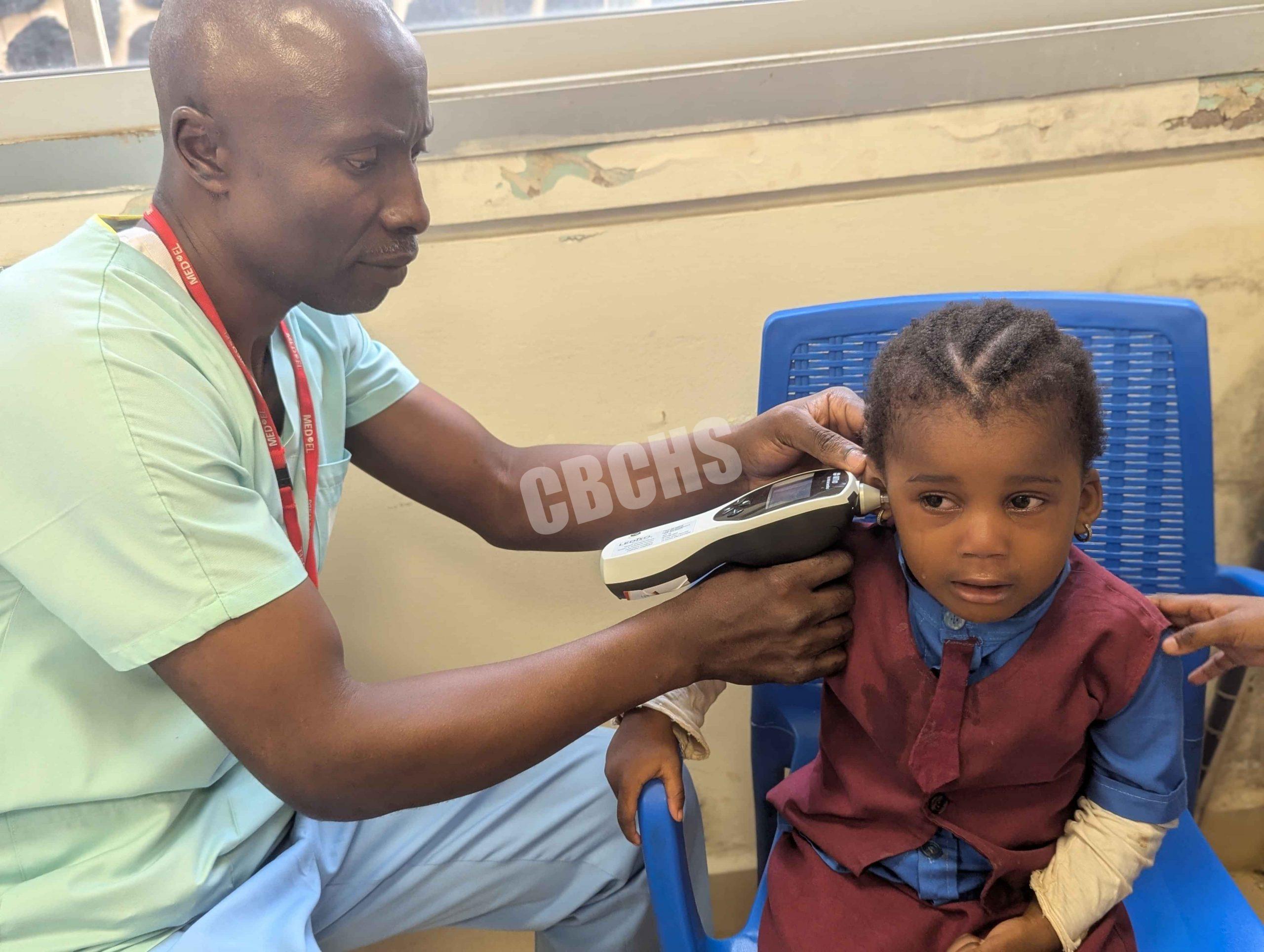
“Hawa Iklas and Khadija Hawa had difficulty hearing in school, and the head teacher brought it to our attention, but we were still trying to find money to take them to the hospital,” Louba stated.
The commemoration of World Hearing Day on March 3, 2026, was therefore a great opportunity for Louba. For her, it marked a breakthrough to be among those attending the free outreach screening program organized by the Yaoundé University Teaching Hospital (CHU) in collaboration with CBC Health Services and the Christian Blind Mission (CBM).
She explained that she learned about the event on the CBC Health Services Facebook page and was so excited because the campaign was free; since she lacked money, it was an opportunity she had been longing for.
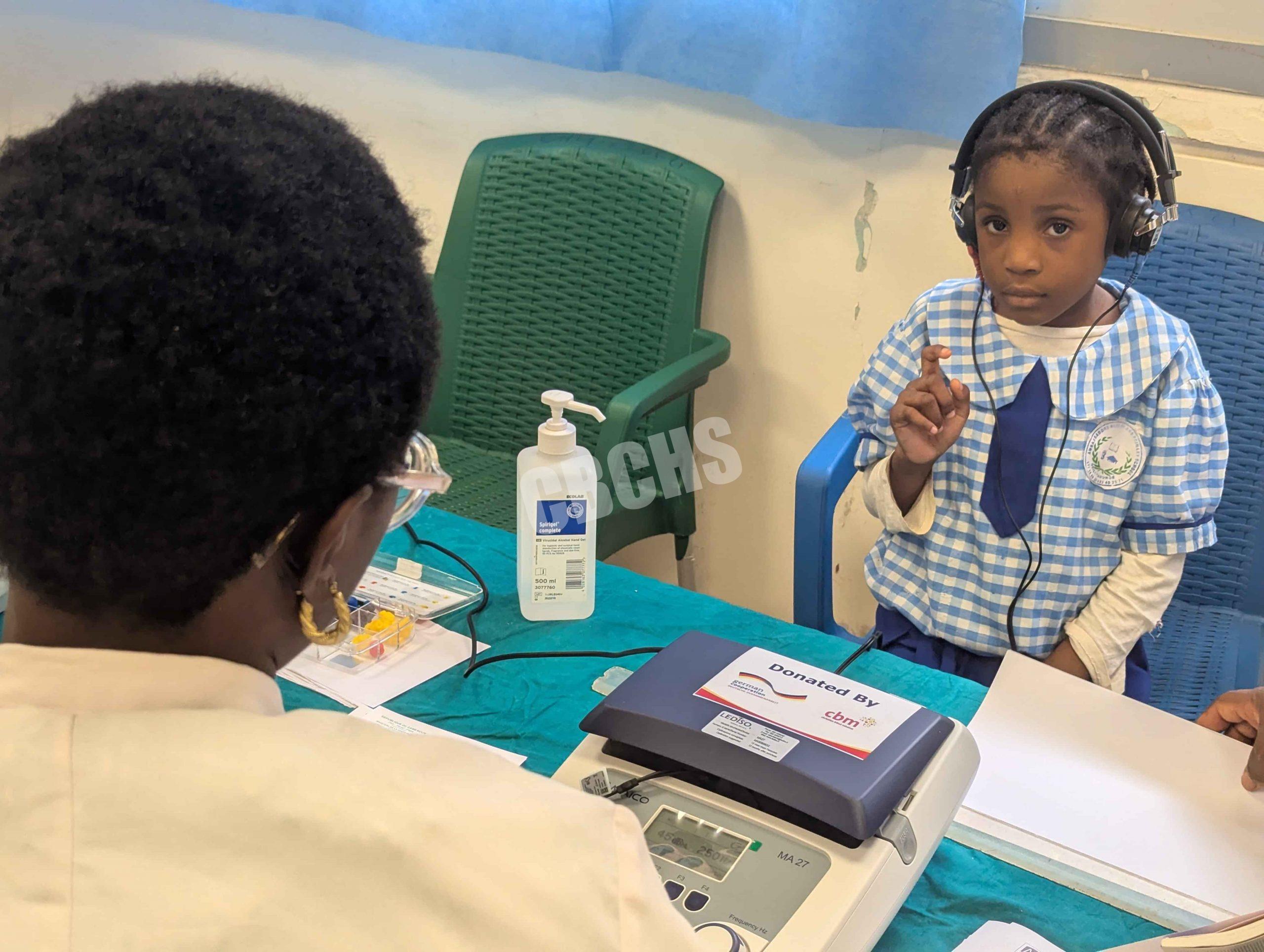
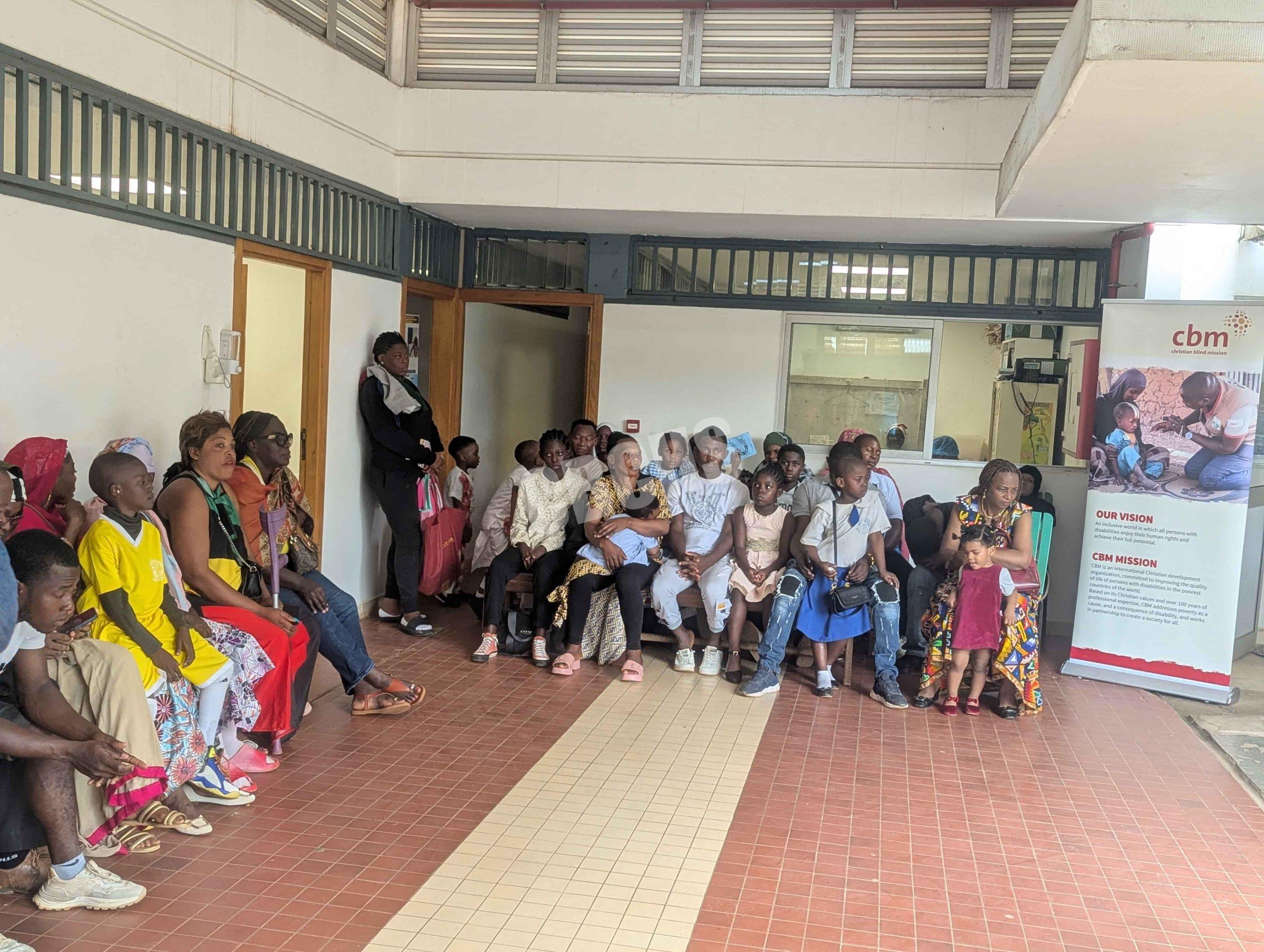
On the morning of March 3, 2026, Louba sat in front of the Ear, Nose, and Throat (ENT) department at CHU with her three children, participating in a free campaign that brought together over 50 children. She waited anxiously for her children to be screened. A team of medical practitioners from CHU, led by the head of the ENT department, Prof. Njomoe, along with staff from CBC Health Services, delivered an educational talk on ear care and the purpose of the free screening. He assured the parents that all their children would be screened, thanks to the medical equipment for ENT that the hospital received the previous day from BMZ and CBM. He took the opportunity to thank the donors for improving ENT services at the hospital.
Now it was time for Louba to have her children screened. She moved them from one screening point to another, feeling a mix of hope and worry about the results, while marveling at the modern equipment being used. After the screening, two children were diagnosed with mild ear conditions, and treatment was given. When she was told that Ashiha had moderate hearing loss and would need a hearing aid, she broke into tears. “I am shattered by the result of Ashiha. I can’t believe she will grow up with hearing difficulties as a Muslim. What I worry about is if she will get married with such a condition,” she said with frustration. Despite her mixed feelings, she expressed gratitude for the opportunity, which helped her learn about her children’s health status.

Like Loauba, many parents who turned out for the screening expressed gratitude to the organizers for enabling them to have such a screening. During the screening, close to 10 neonates were also screened with the Oto-acoustic emission (OAE) machine donated within the context of the “Strengthening Ear and Hearing Care Capacities in Cameroon” implemented by the CBC Health Services. The effect created by the machines donated is expected to continue as the hospital continues to offer ENT services in the future.
According to one of the screeners, the training received from the project last year on primary ear health and the donation of the equipment facilitated the screening process. He expressed that with the machines, they will be able to meet the demands of the patients.