Research indicates that 15% of the world’s population lives with disabilities, with 80% of them of working age. However, they face systemic barriers to decent work and social protection. The International Labour Organization (ILO) emphasizes that social protection is a human right, not charity. Social protection includes policies, programs, and initiatives by governments, institutions, and organizations to protect individuals and communities, especially those in vulnerable situations.
In line with the concept of “Social Protection,” the Christian Blind Mission (CBM) is piloting an initiative called, “Disability Inclusive Social Protection (DISP),” aimed at engaging formal and informal mechanisms to ensure that the needs and perspectives of persons with disabilities are understood and prioritized, while actively guaranteeing equal, accessible, responsive, and adapted protection as a matter of social justice.
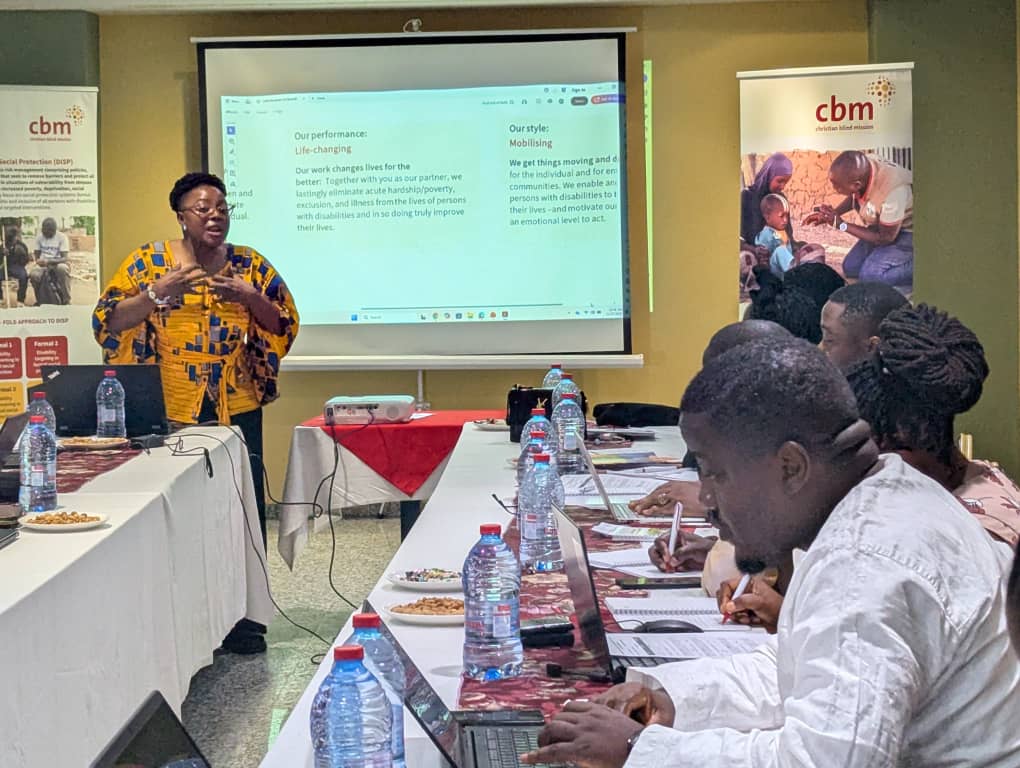
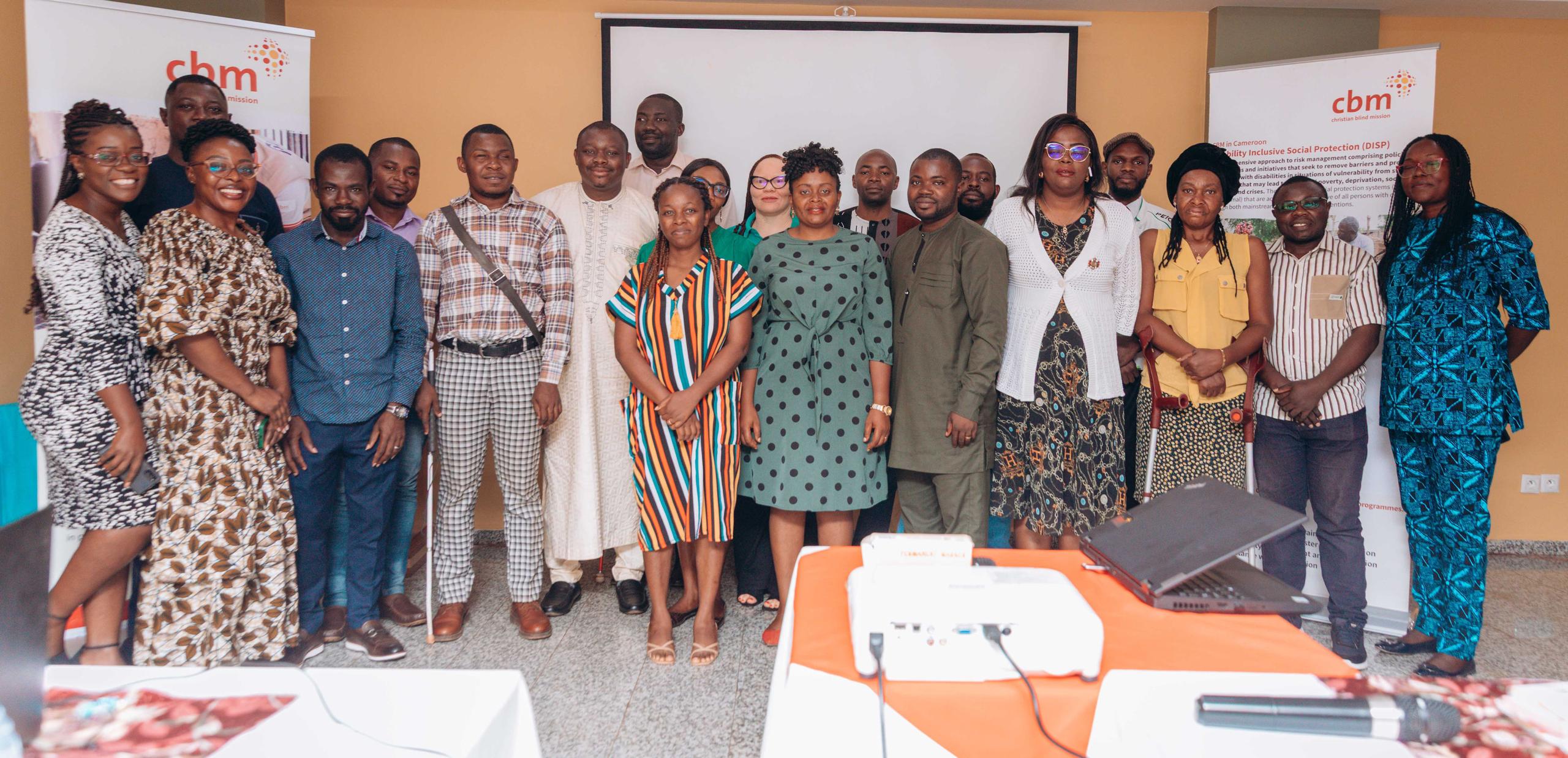
It is against this background that a two-day workshop was organized by the CBM Country Office in Yaounde recently to strengthen the capacity of media professionals and partners to understand and effectively communicate Disability-Inclusive Social Protection (DISP), promote awareness, inclusion, and accountability across social protection systems. The media professionals were made up of journalists from the Print media, Television, Radio, and online platforms who have an interest in reporting on disability issues.
The CBM Country DISP Project Officer, Melissa Longla, regretted that persons with disabilities are more vulnerable to the risks that persons without disabilities face. Unfortunately, there is a slow implementation of polices put in place to protect persons with disabilities and promote their inclusion. She revealed that the recent launch of the DISP pilot initiative attracted significant media attention across print, web, television, and radio platforms. However, the reporting often lacked depth and clarity, largely due to a limited understanding of DISP among media professionals. Given the media’s influential role in shaping public perception and policy discourse, Melissa says it is essential that journalists and Communication Officers are equipped to report on social protection issues, especially those affecting persons with disabilities, with accuracy, empathy, and impact.
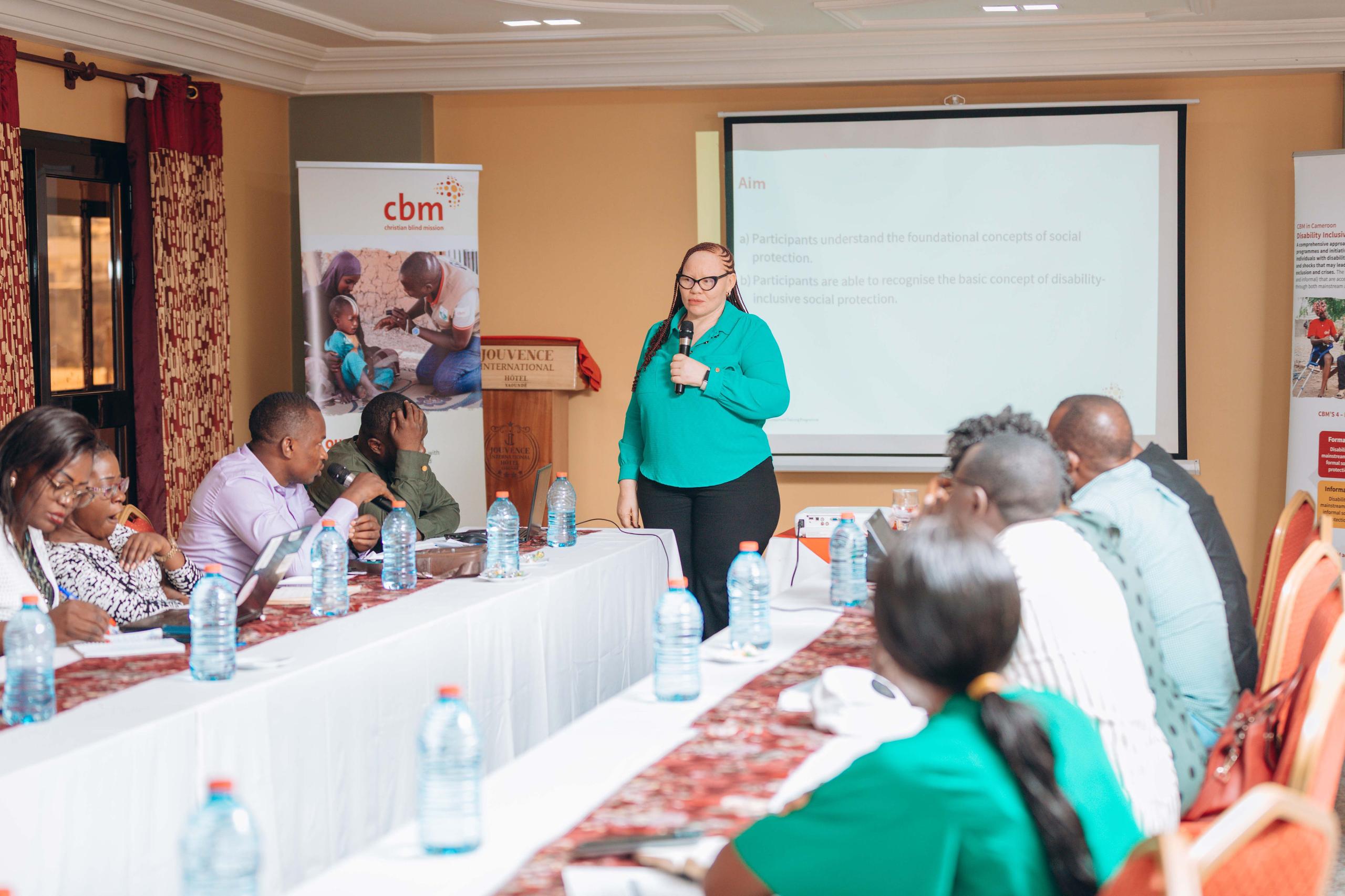
On her part, the CBM Field Communication for Cameroon, Comfort Mussa equipped participants with techniques of compelling DISP stories that can create impact and cause positive change. She desires that DISP will saturate the media landscape as an issue that will be widely discussed at all levels.
The participants attested that it was a concept that is underreported and not well understood by media practitioners and the general public. They promised to create awareness and carry out advocacy at different levels in order to promote DISP. It is expected that the training will strengthen collaboration between media actors and stakeholders in the disability and social protection sectors, fostering inclusive narratives and advocacy.
The training was preceded by a 2-day workshop organized by CBM for Communication Officers and some program staff of its partner organizations in Cameroon. The workshop dubbed, “Strengthening Strategic Communication for Country Office Program Offices and Partners,” took place at Hotel Jouvence International in Yaounde.
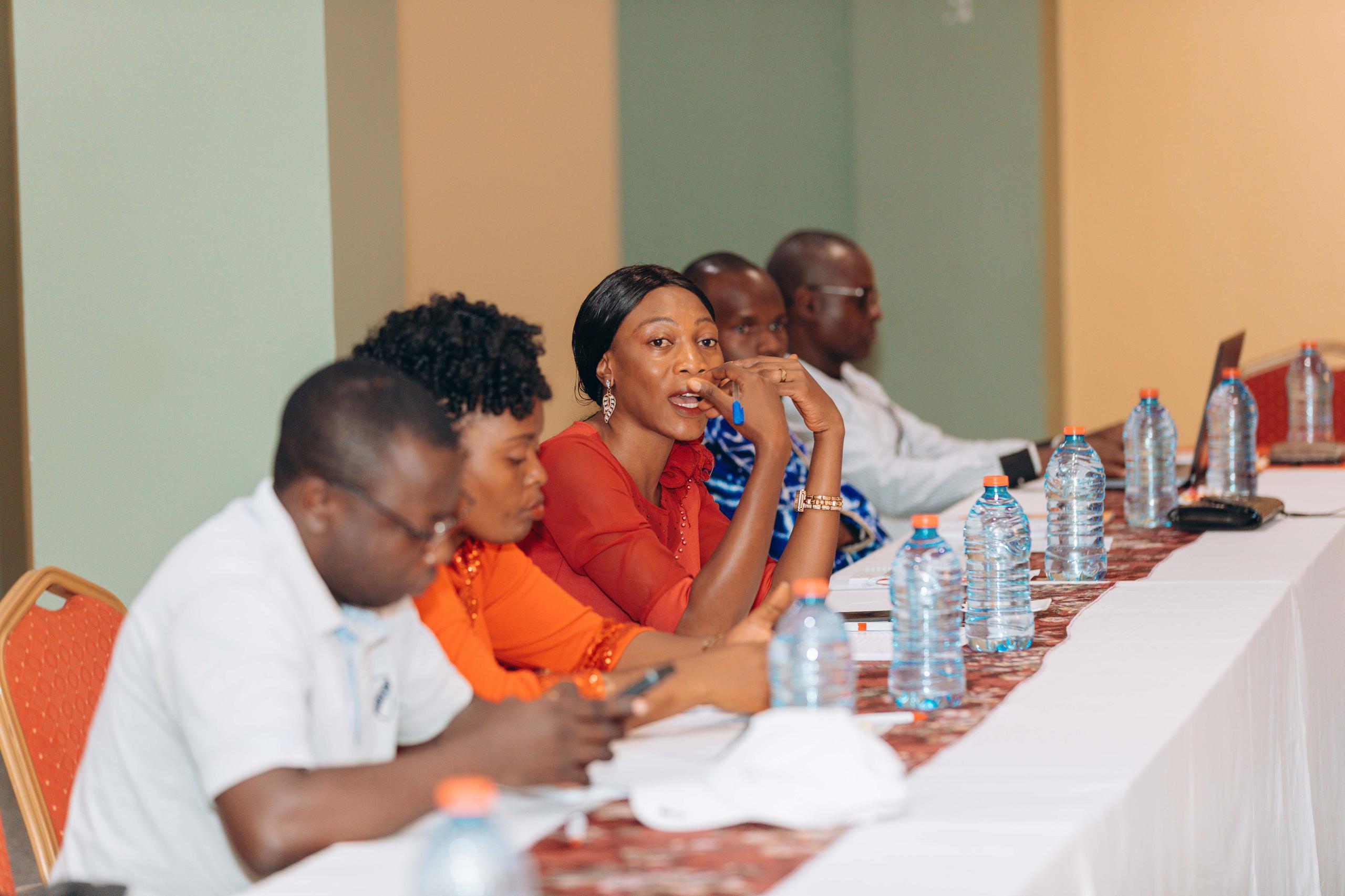
At the opening, the CBM Country Program Manager, Tebo Mispa revealed that CBM is currently implementing 17 projects in Cameroon in 8 Regions: Center, North, Far North, West, Littoral, Southwest, East, and Northwest. She appreciated the partners for their commitment to the partnership, which is improving the lives of the vulnerable population in Cameroon.
Given the importance of visibility and branding of these projects, the workshop was aimed at training Communication Officers and program staff to understand CBM’s guidelines, visibility, branding, and collection of human-interest stories for fundraising.
Comfort Mussa, during her presentation, told participants that branding plays an important role in the reputation of their organizations, which is why they must identify and improve their branding. She further explained the strategies of raising funds for projects, one of which is the use of human-interest stories. She encouraged the partner organizations to contribute to fundraising by identifying good fundraising stories for CBM.
During the training, participants developed tasks on branding and visibility which they will implement in their different projects and organizations in line with CBM’s guidelines.
The workshop was also an opportunity for the partners to understand the services of other partner organizations, which will enable them to work in synergy.