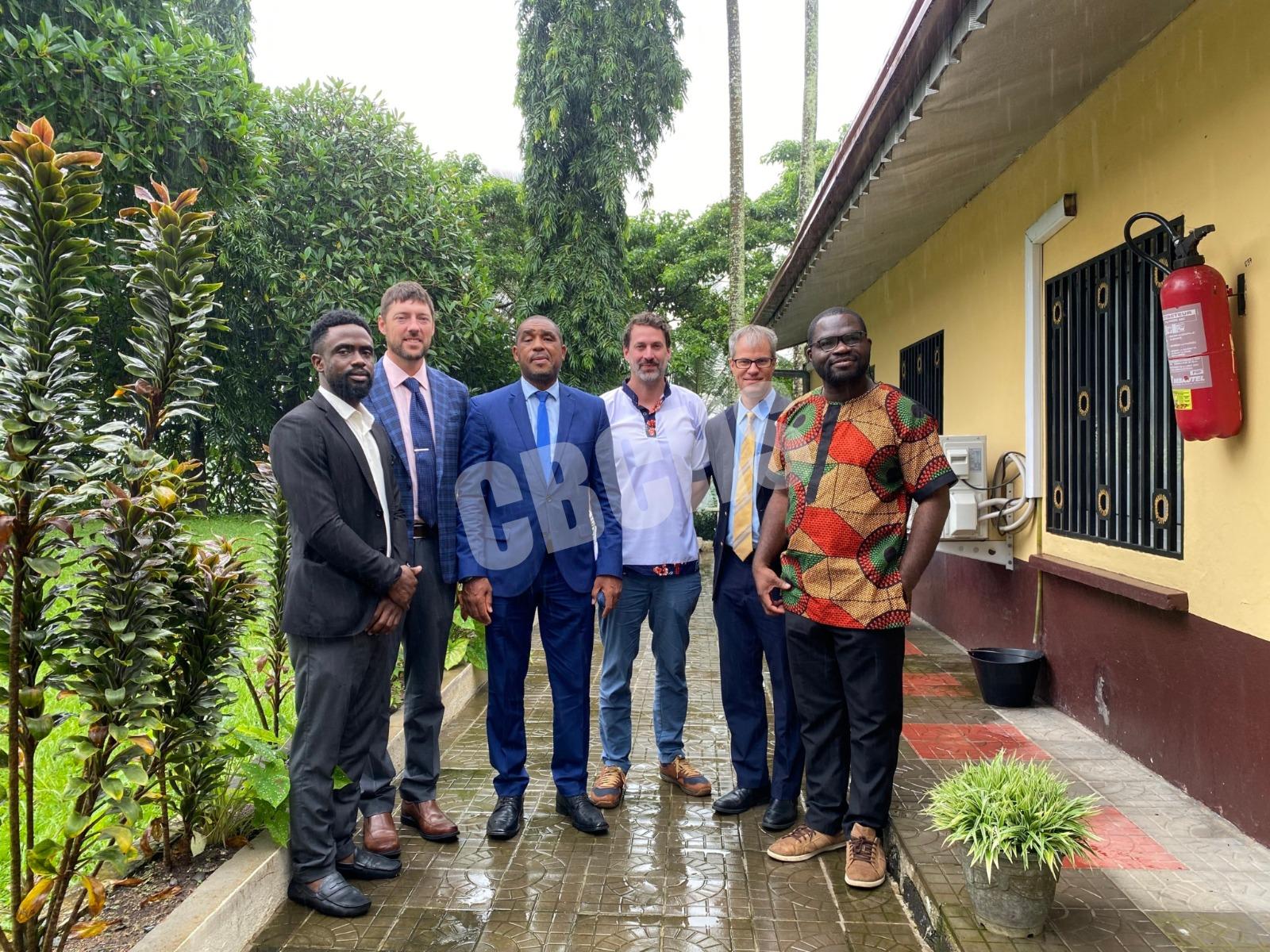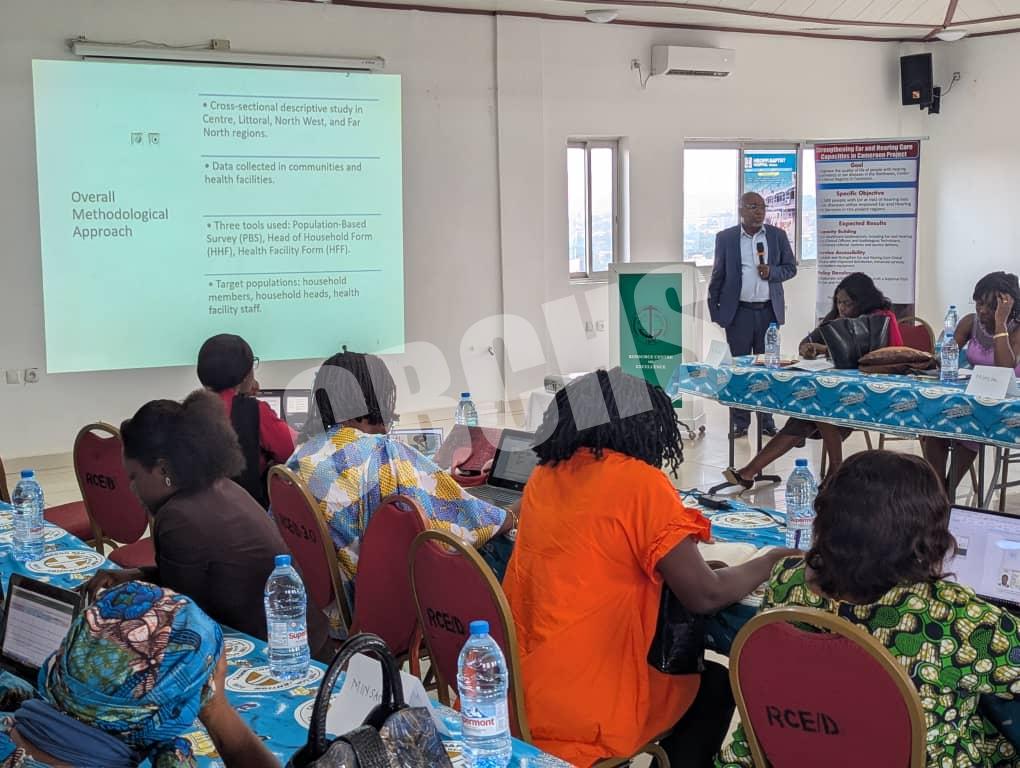
Hopes are high that Cameroon will soon have a national draft plan for Ear and Hearing Care. This was the outcome of a second strategic stakeholders meeting that held at Mvan Resource Center in Yaoundé recently. The 2-day meeting was part of advocacy strategic to enhance Ear and Hearing Services in Cameroon. The meeting was organized by the CBC Health Services within the context of the “Strengthening Ear and Hearing Care Capacities in Cameroon” in collaboration with the Ministry of Public Health with funding support from the German Ministry for Economic Cooperation and Development (BMZ) and the Christian Blind Mission (CBM).
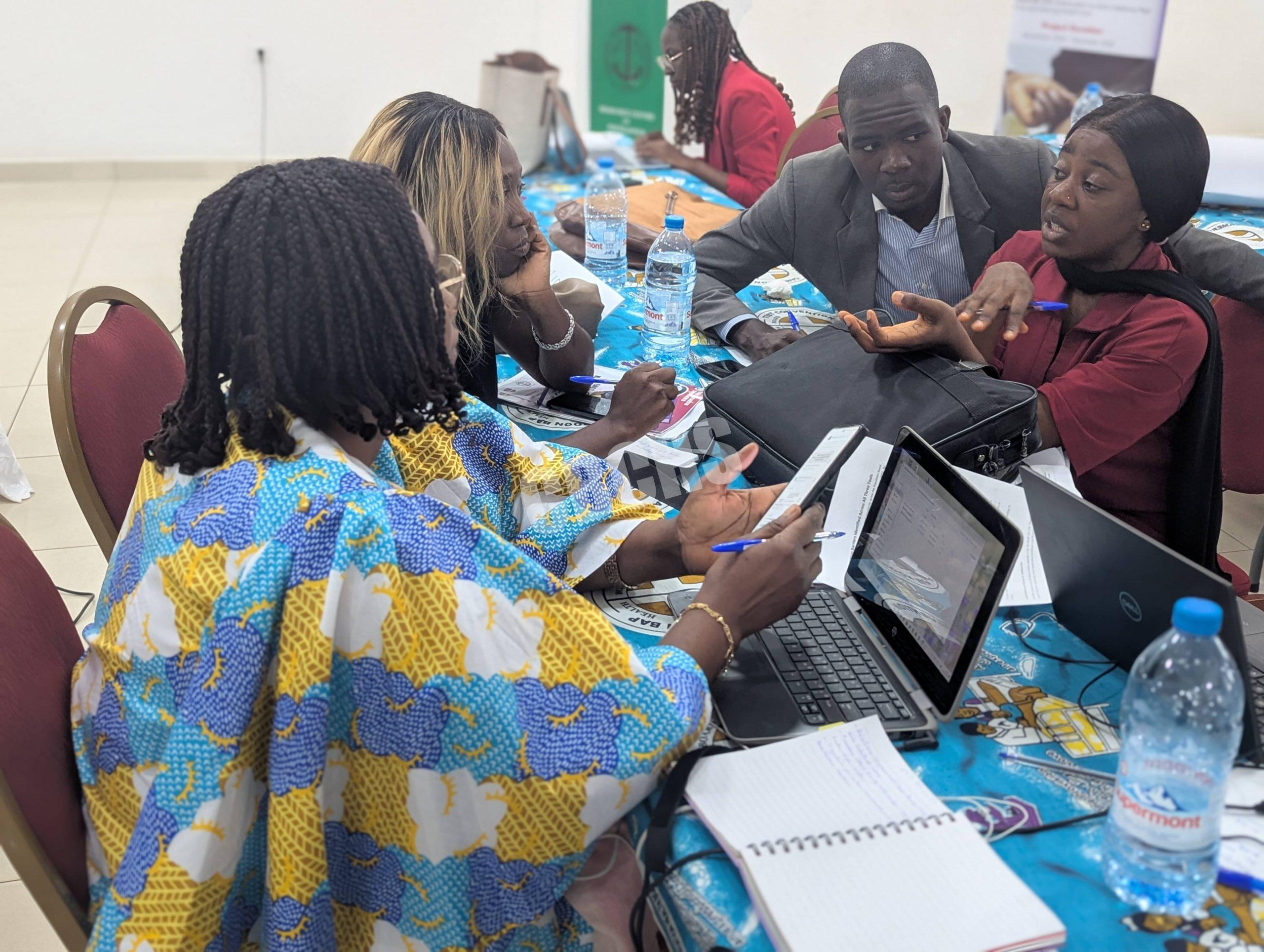
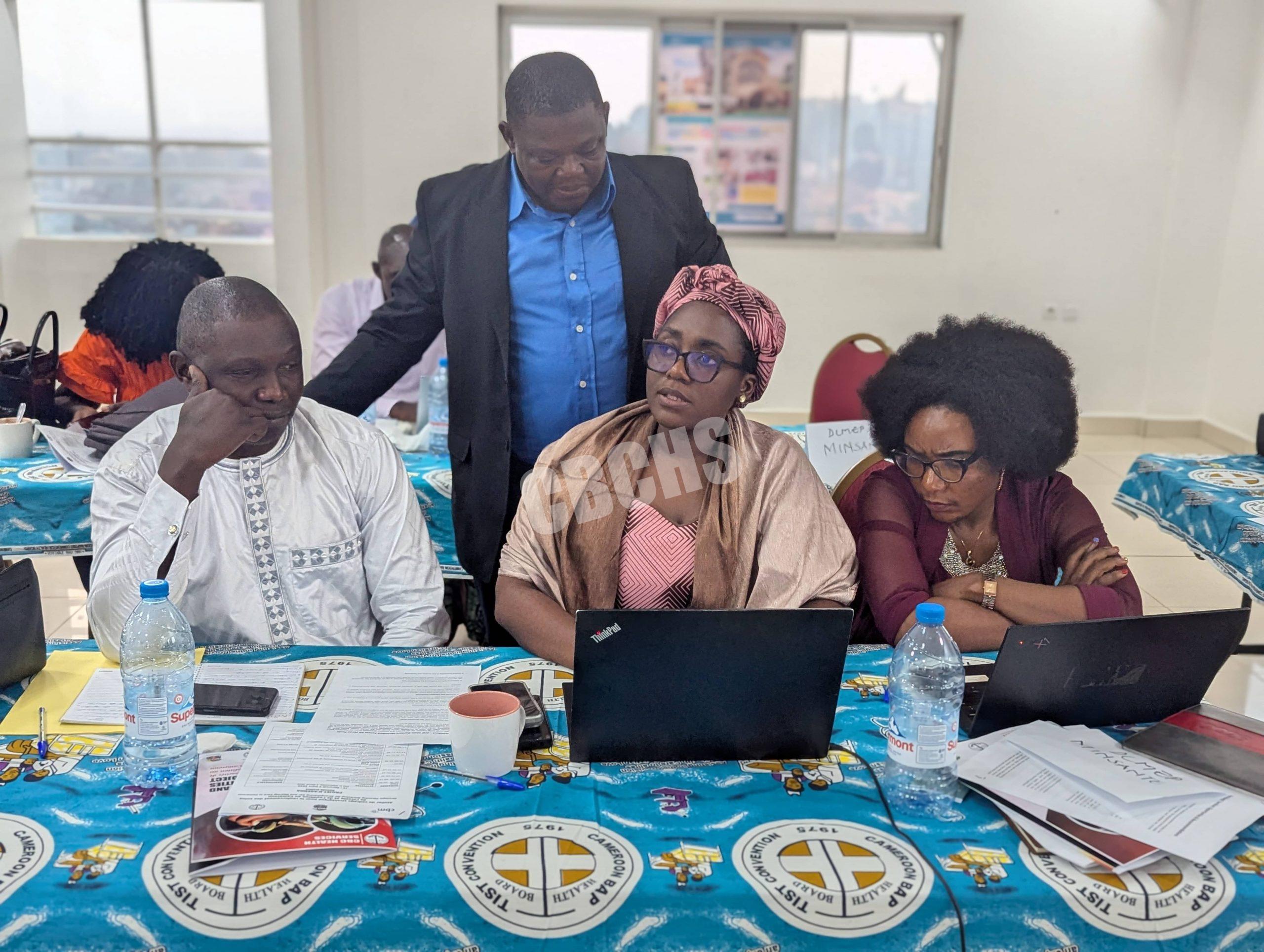
The meeting brought together 14 institutions and organizations with the objectives to examine and validate the EHC health situational analysis, evaluate the EHC health system of Cameroon and formulate propriety recommendations and define the next steps for drafting a national EHC plan.
During the meeting, staff representatives from the Ministries of Public Health, Education, and Social Affairs, World Health Organization, University of Yaoundé, CBM, the Ear, Nose , Throat (ENT) Society, SCORL, ALDAC, SHOMEA, CANAD and CBC Health Services had in-debt deliberations on the situational Analysis, 2025 strategic Plan and identified root causes of challenges/gaps in Cameroon’s ear and hearing health system.
Before the meeting, the CBC Health Services engaged a consultant who carried out a situational Analysis on EHC across four regions of Cameroon; Centre, Littoral, North West and Far North Regions which was presented during the meeting. The consultant, Mr. Mue Peter while presenting the result of the situational analysis underlined that he used a structured mixed-methods approach to understand EHC needs across households, individuals and health across the four regions. The study revealed that there is low EHC awareness and delayed care, few equipment and personnel, communities and facilities barriers among others.
The study also highlighted recommendations of some barriers to EHC services; A national awareness raising campaign on EHC be organized, conduct outreach services in rural and hard to reach areas, upgrade essential equipment in District Hospitals, establish a national Referral pathway and create a national EHC coordination unit.
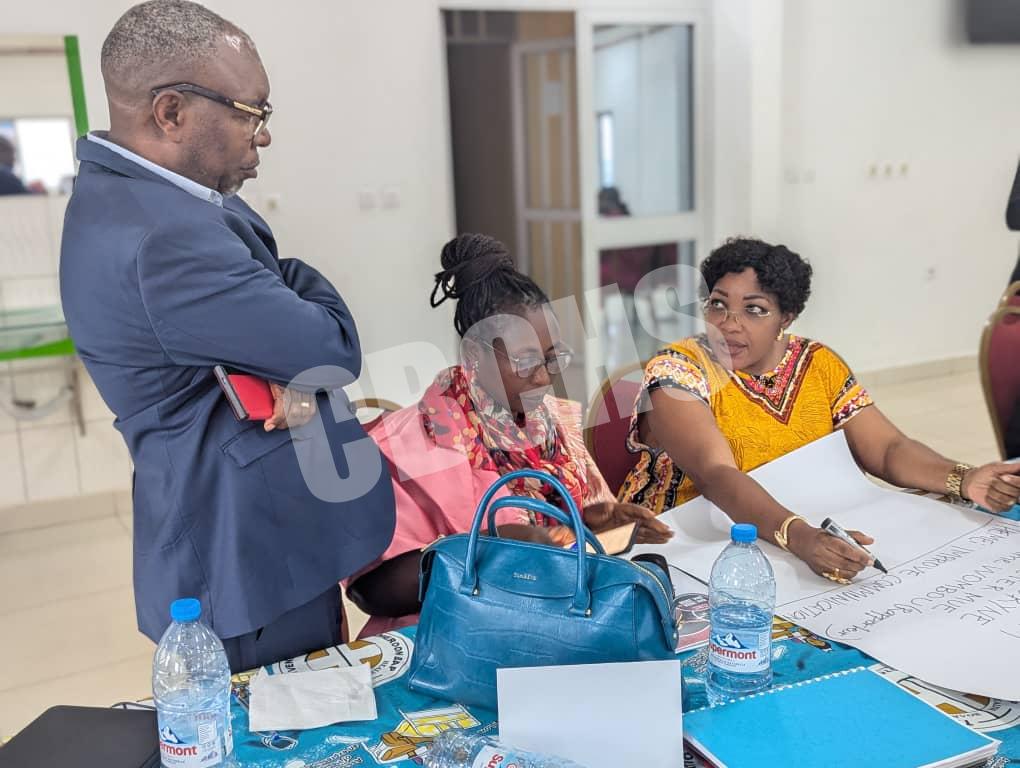
Participants of the meetings were divided in six groups with focus to combine the priority gaps identified during the 2025 strategic gaps planning meeting, gaps identified by the situational analysis to further diagnose the immediate causes of each gap which will serve as basis for key recommendations.
The meeting which was chaired by the representative of the Secretary General of the Ministry of Public Health ended with suggestions to address a formal request to the CBC Health Services to support the national technical meeting to draft a national EHC plan in 2026. With the Yaoundé meeting strategic meeting, the dreams of having a National Draft EHC plan is closer to reality than ever before.