As a transformative project year wraps up, the progress documented across facilities like Nkwen Baptist Hospital and Regional Hospital Bamenda provides a powerful case study: Achieving the ambitious UNAIDS 95-95-95 targets, especially for Children and Young People Living with HIV, requires more than just resources, it demands intentional, high-quality mentoring and supervision for frontline healthcare providers and peer supporters. This dedication to detailed oversight is how service providers are empowered to truly “Cut the t’s and dot the i’s,” transforming project plans into life-changing outcomes.
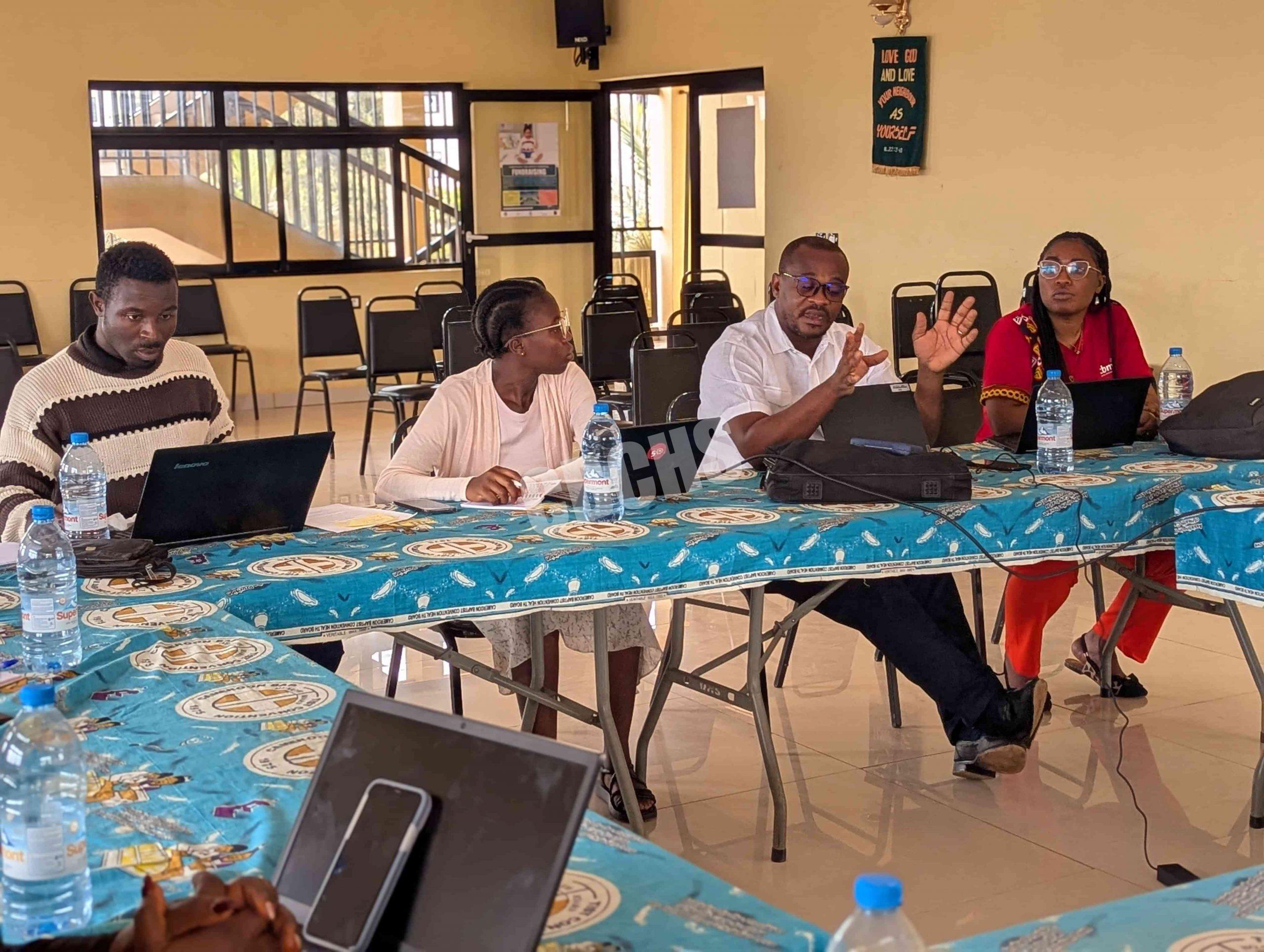
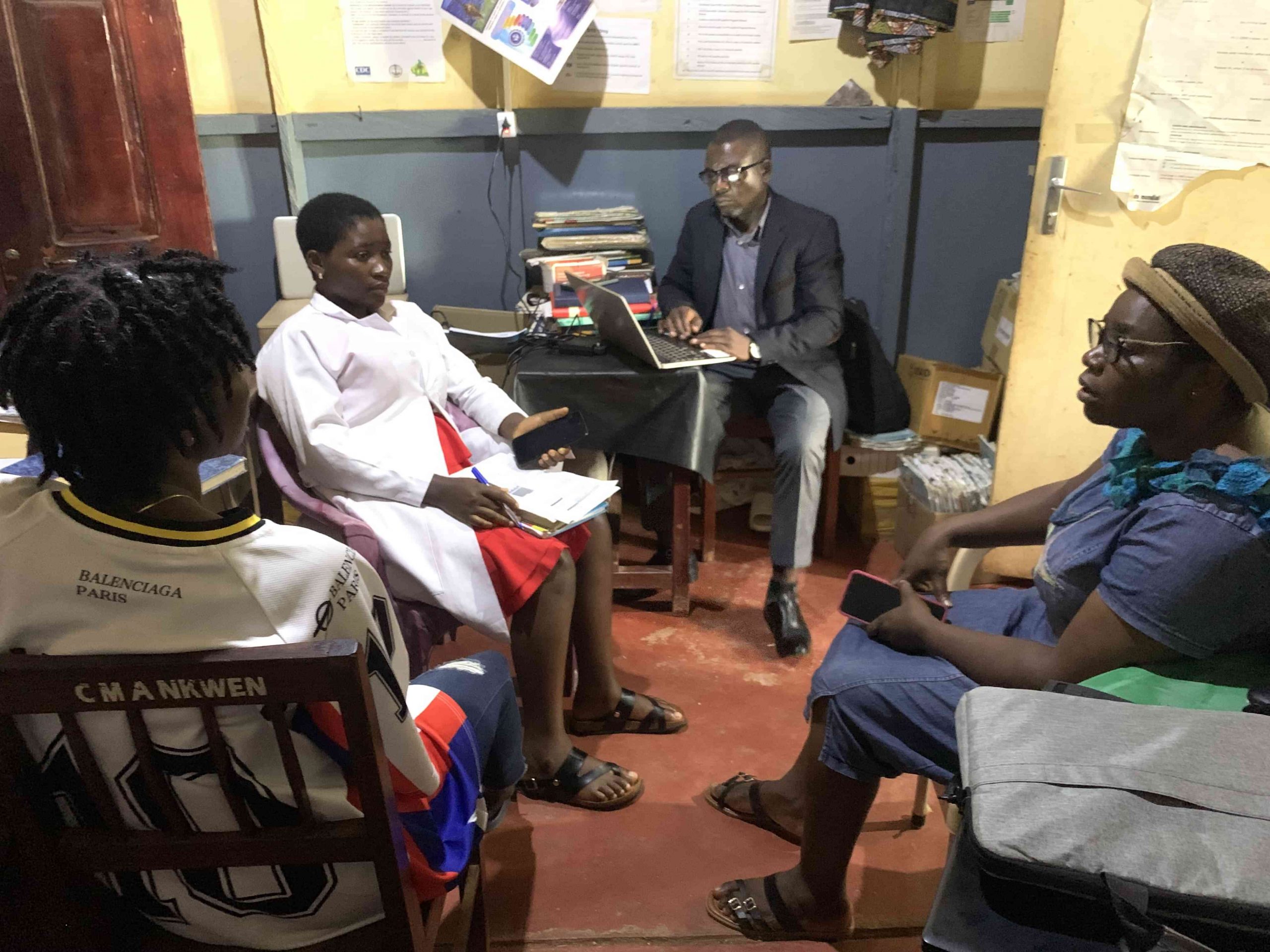
From November 9, 2025 till November 29, 2025, the dedicated team of the Equality and Children Momentum projects comprising of the Assistant Project Coordinator, Monitoring & Evaluation Officer and Communications Officer touched down all 17 project implementing facilities in the Northwest region. Their goal was to assess progress made so far, and offer technical assistance where necessary ensuring that all sites are properly implementing life-saving protocols, transforming a project plan into tangible, sustained good health for every child. They also emphasized on sustainable strategies which were to outlive the project yet continue to offer value in the communities.
Key Achievements and Quality Implementation
The overall quality of project implementation has been rated highly, showcasing significant achievements:
- Exceptional Viral Suppression: As of October 2025, the Nkwen Baptist Hospital achieved a 98% viral suppression rate among CLHIV (301 of 306), demonstrating effective adherence support, peer support interventions and clinical management. The service providers appreciated the project team and funders for the finances which enabled them engage several discussions with adolescents and provide networking opportunities among them which greatly improved adherence.
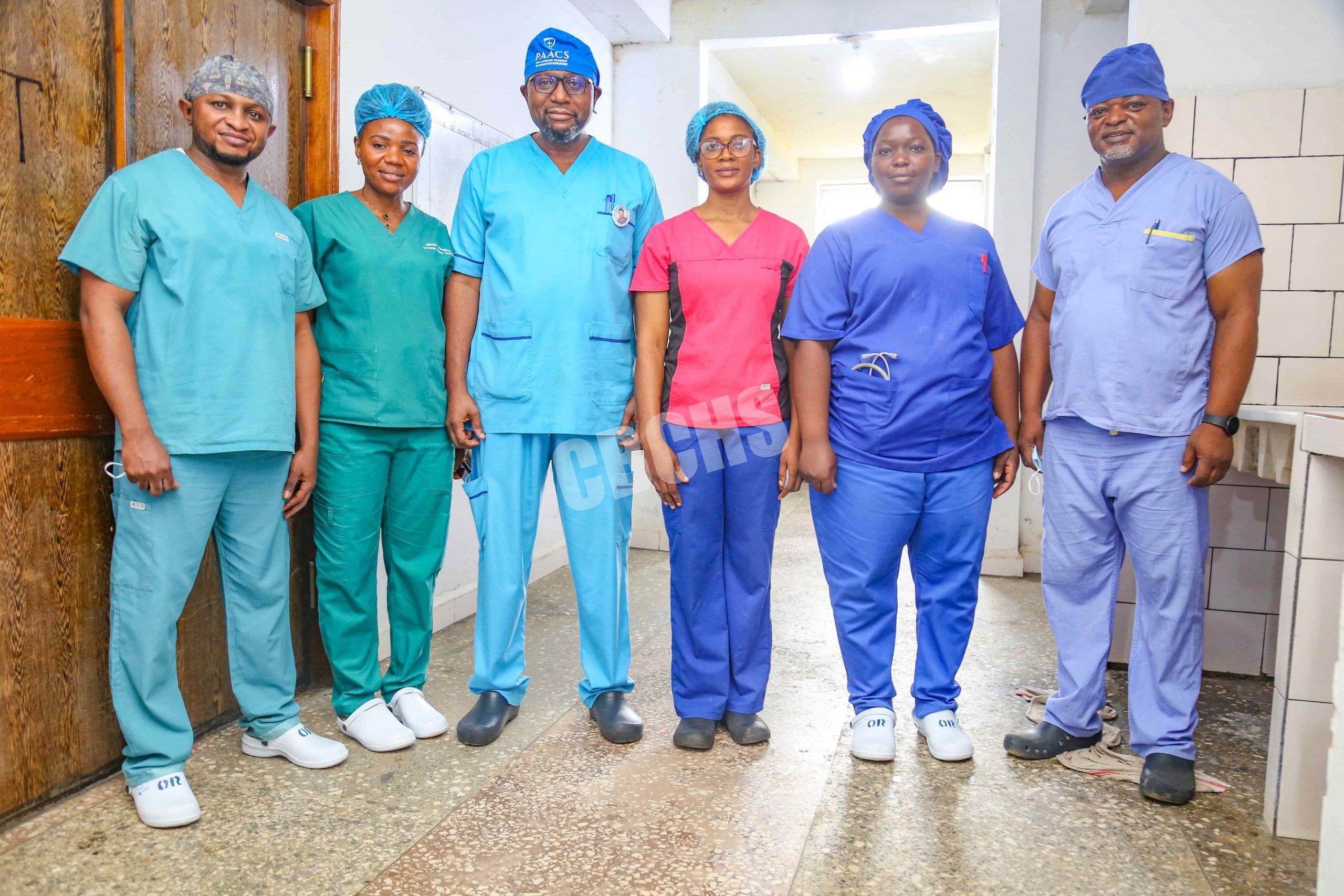
- Empowered Service Providers: Service Providers at Nkwen District Hospital reported that the project exposed them to new information, boosting their self-esteem and overall quality of care.
- Saving Lives: The Regional Hospital Bamenda and St. Mary Success Story: The project’s meticulous follow-up was highlighted when a caregiver who removed a child from care was located and supported with transport and medical follow-up. Another child whose caregiver did not care about their wellbeing was incentivised and promised further support if the 10-year-old could achieve viral suppression in less than 3 months, which was a huge success. These interventions ensured the children returned to treatment and eventual viral suppression, qualifying as a true project success.
- Integrated Care: Service Providers noted the importance of integrating Sexual and Reproductive Health (SRH), Mental Health and Child Protection into their care package, utilizing flyers and booklets to teach young people, and resource persons to ensure all round service delivery.
- Peer Supporter personal life changes: A core component of the project’s success encountered was the progress in peer supporters since that support extended beyond the job description to their personal lives. Peer Supporters learned to conduct health talks, developed the boldness to counsel and encourage their peers, and gained self-confidence, a critical step in battling internal stigma. They also received mental health assessment and evaluation leading to improved personal lives and family relationships for peer supporters in all facilities.
Guaranteeing long-term adherence, Peer Supporters have formed a strong social media community, voicing concerns and learning from one another, ensuring that peer-to-peer support for the 10-24 age group continues as the project ends.
Challenges Faced and Recommendations for Sustainability
Despite the successes, supervision revealed critical gaps and external challenges that must be addressed for continued improvement:
The need for mental health assessment for children less than 12, to which the mental health team worked to integrate age-appropriate mental health screening into standard care protocols.
School calendar changes because of lockdowns from the conflict caused irregular attendance at support groups, for pickups and viral load collection, to which the service providers were encouraged to develop alternative, flexible engagement strategies.
The propagation of myths around HIV, including dangerous advice for young women living with HIV to deliver early because they “may die early.” To combat this, the project will work to intensify myth-debunking campaigns.
Conclusion: Intentionality Guarantees Continuity
As the project approaches completion, the focus on intentionality in implementation has paid off with tangible improvements in the lives of children living with HIV, their caregivers, and the empowered peer supporters. The project offered the necessary tools and training, but it was the commitment to supervision and mentoring, checking on the gaps, ensuring personal well-being, and providing corrective recommendations that cemented the gains. Constant supervision it has been proven, is a blueprint for sustainable success, ensuring that the successes encountered so far like boosted self-esteem of peer supporters, new skills of service providers, remain in the community. This will ensure continued adherence and moving the entire region closer to ending AIDS in children.