
On January 22, 2026, the NCD Program Improvement Committee of CBC Health Services (CBCHS) convened to chart a bold new course following a decade of impactful service. Chaired by Dr. Beri Ngong, the session focused on evolving the program beyond clinical care to strengthen vital pillars such as advocacy, research, capacity building, and strategic partnerships. This reflection serves as the cornerstone for an upcoming five-year strategic plan designed to modernize the CBC’s approach to Non-Communicable Disease (NCD) management.

The Director of the CBC Health Services, Mr. Ngum Samuel joined the Committee to commend the team’s unwavering dedication. He noted that the program’s community engagement has already earned international prestige, including a notable award from the UN Interagency Task Force for its contributions to the fight against obesity.
In his opening remarks, the Director reminded staff that patients are the program’s greatest ambassadors. He emphasized that by providing empathetic care and ensuring high patient satisfaction, the program naturally extends its reach, stating, “When you treat one person well, and they are satisfied, they will always bring others to us”.
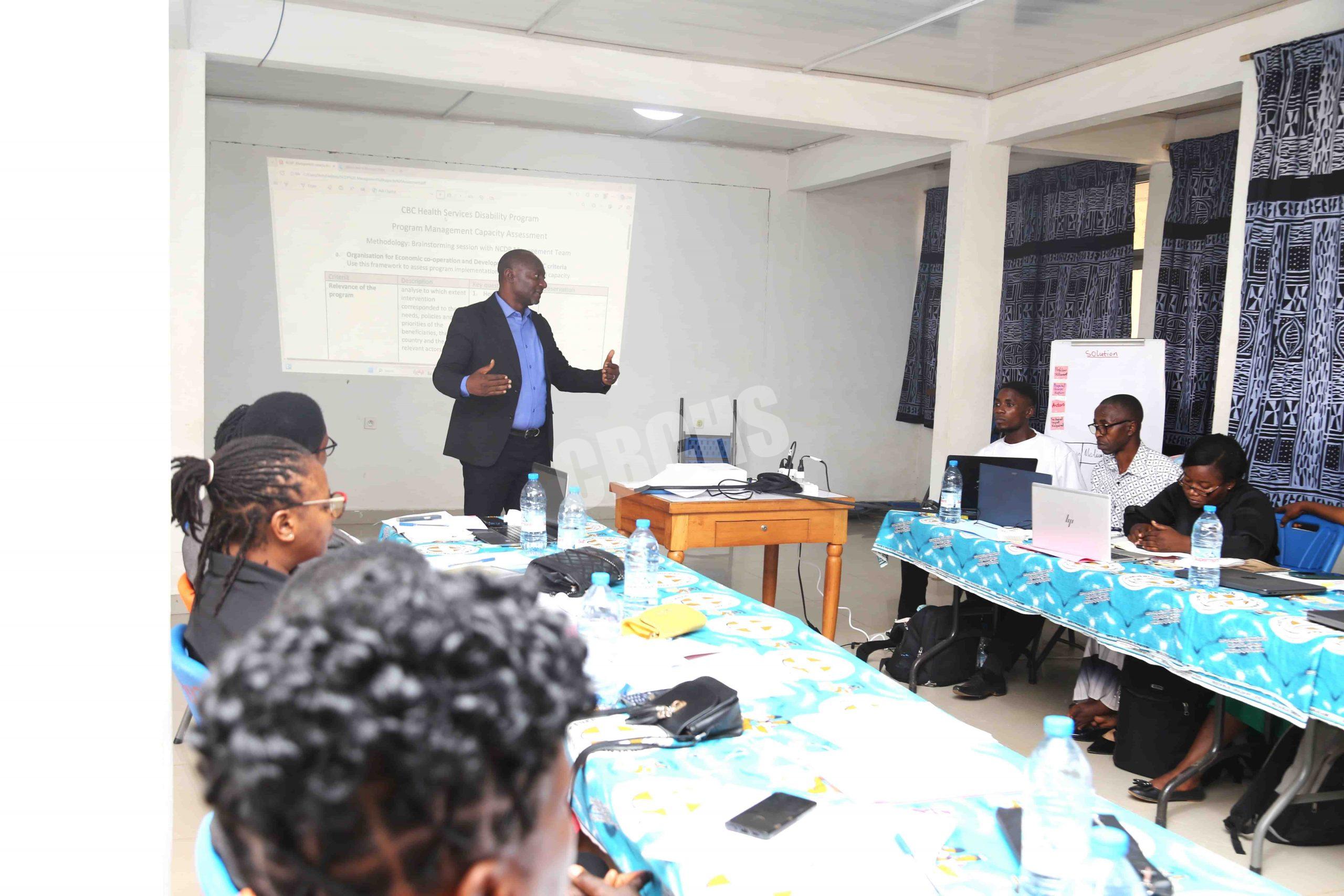
During the meeting, the NCD Prevention and Control Manager, Mr. Takwe Boniface, presented a comprehensive overview of the program’s strategic milestones and partnerships. While celebrating recent successes, Mr. Takwe also addressed the challenges encountered over the past decade. Drawing on his expertise, he offered key recommendations to boost the program’s reach and efficiency, ensuring that the CBC remains a leader in the fight against NCDs in Cameroon.
To facilitate evidence-based growth, Mr. Abanda Alphonse, Grants Supervisor, led a strategic brainstorming session to identify existing gaps. He introduced the seven key indicators proposed by the OECD (Organization for Economic Cooperation and Development) to assess program implementation. They included relevance, strategic management, program coherence, effectiveness, efficiency, impact, and sustainability. The Committee concluded that future success lies in deeper collaboration with stakeholders, increased community interventions, and expanding partnerships with local councils to address NCD pillars that exist beyond the clinical setting.
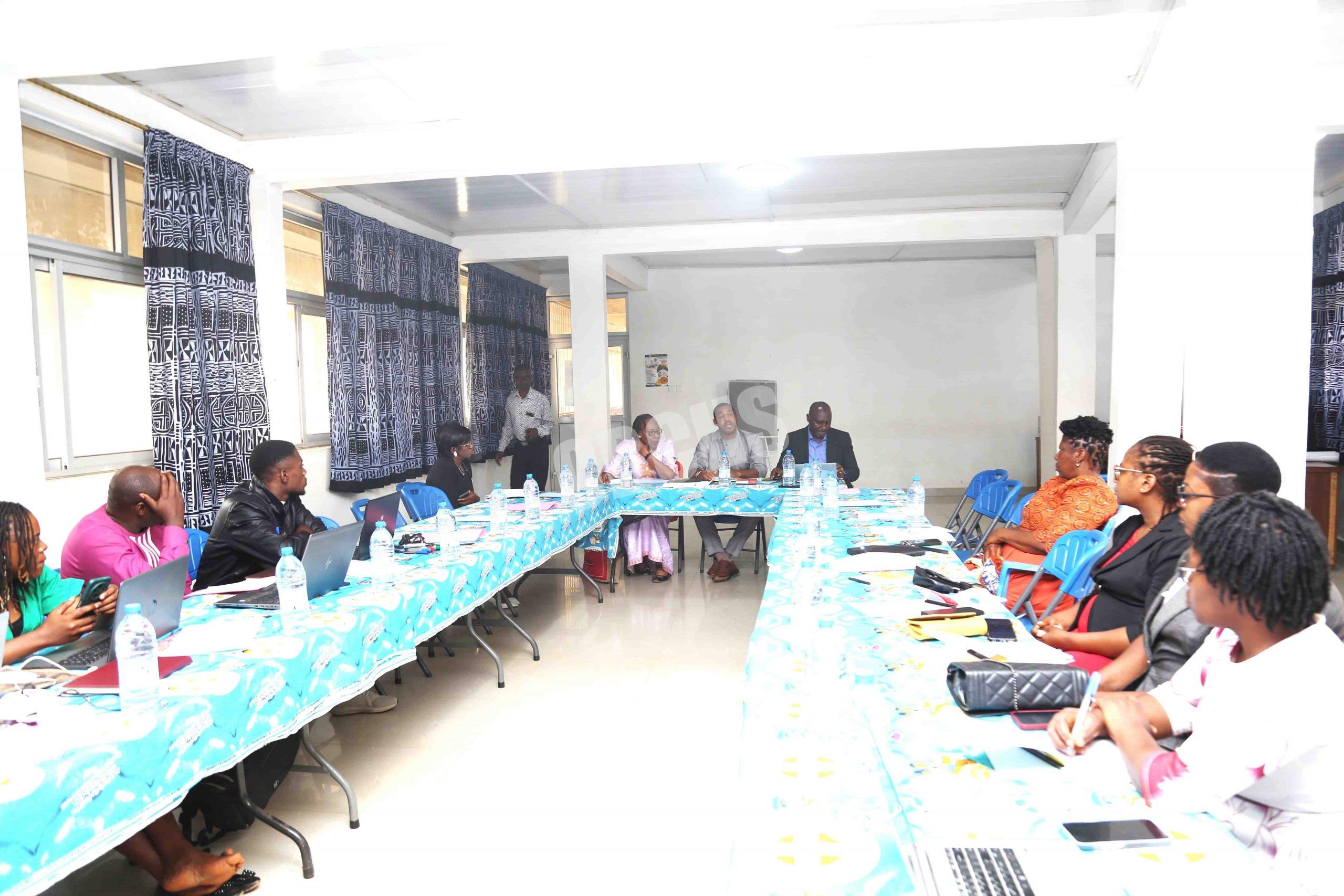
Data-driven decision-making remains at the heart of this new chapter. The Monitoring and Evaluation team presented a performance review of CBCHS facilities, providing the insights necessary to optimize resource allocation and improve patient care. By leveraging this data, the program ensures that every patient receives the highest standard of care as the organization transitions into its next strategic phase. Innovation also took center stage with new proposals to promote healthy lifestyles. The Sports Coordinator introduced the “Step Project,” an initiative designed to encourage staff and clients to increase physical activity by prioritizing stairs and ramps over elevators. Additionally, improvements to official tracksuits were discussed to ensure better tracking and appropriate use by staff. This comprehensive meeting closed with a strong resolve to build a resilient, multi-faceted program that will define NCD care for the next five years and beyond.