Women and newborns in Cameroon’s North-West and South-West regions are receiving safer, faster, and more dignified care, thanks to targeted investments by the United Nations Population Fund (UNFPA), funded by the European Civil Protection and Humanitarian Aid Operations (ECHO).
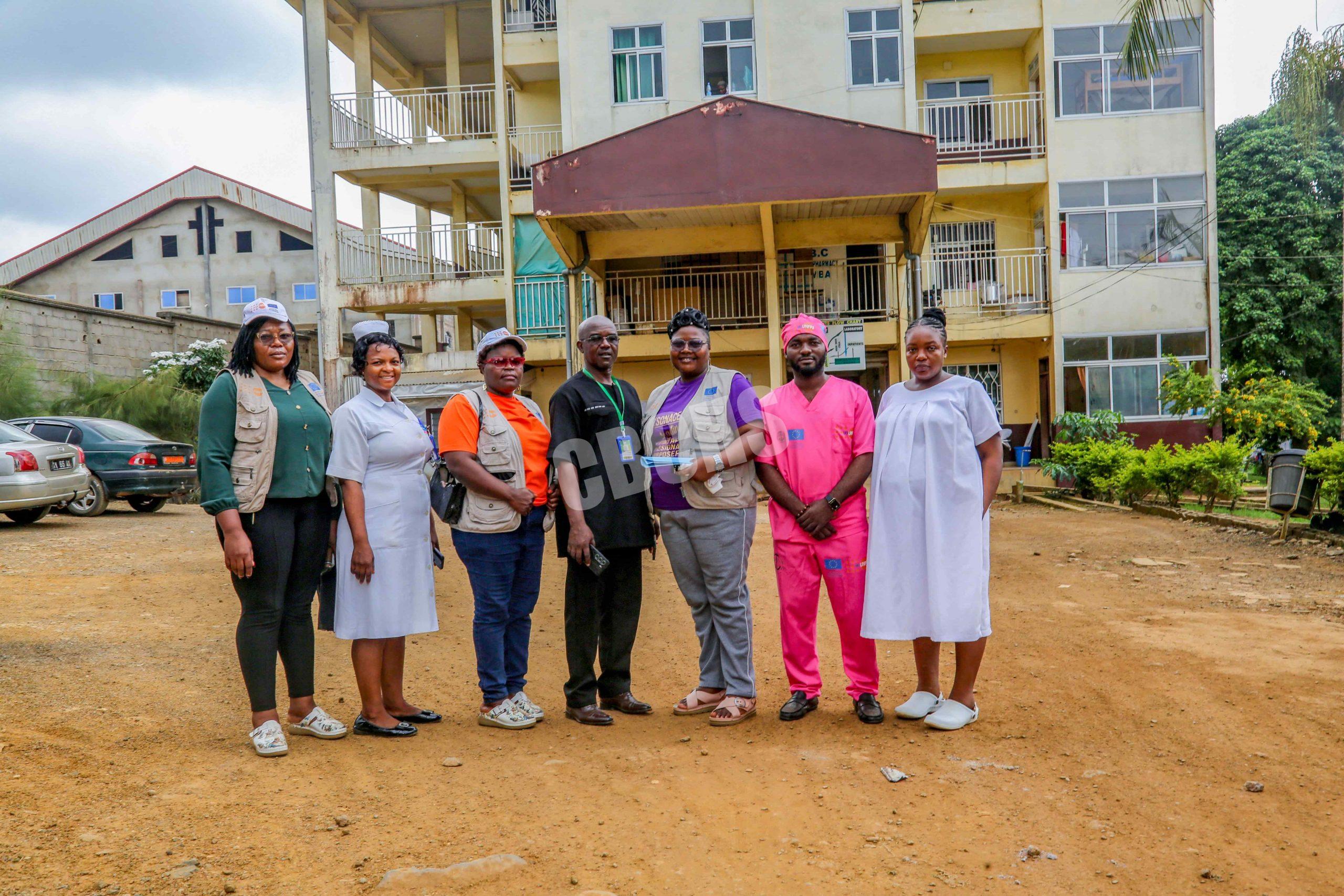
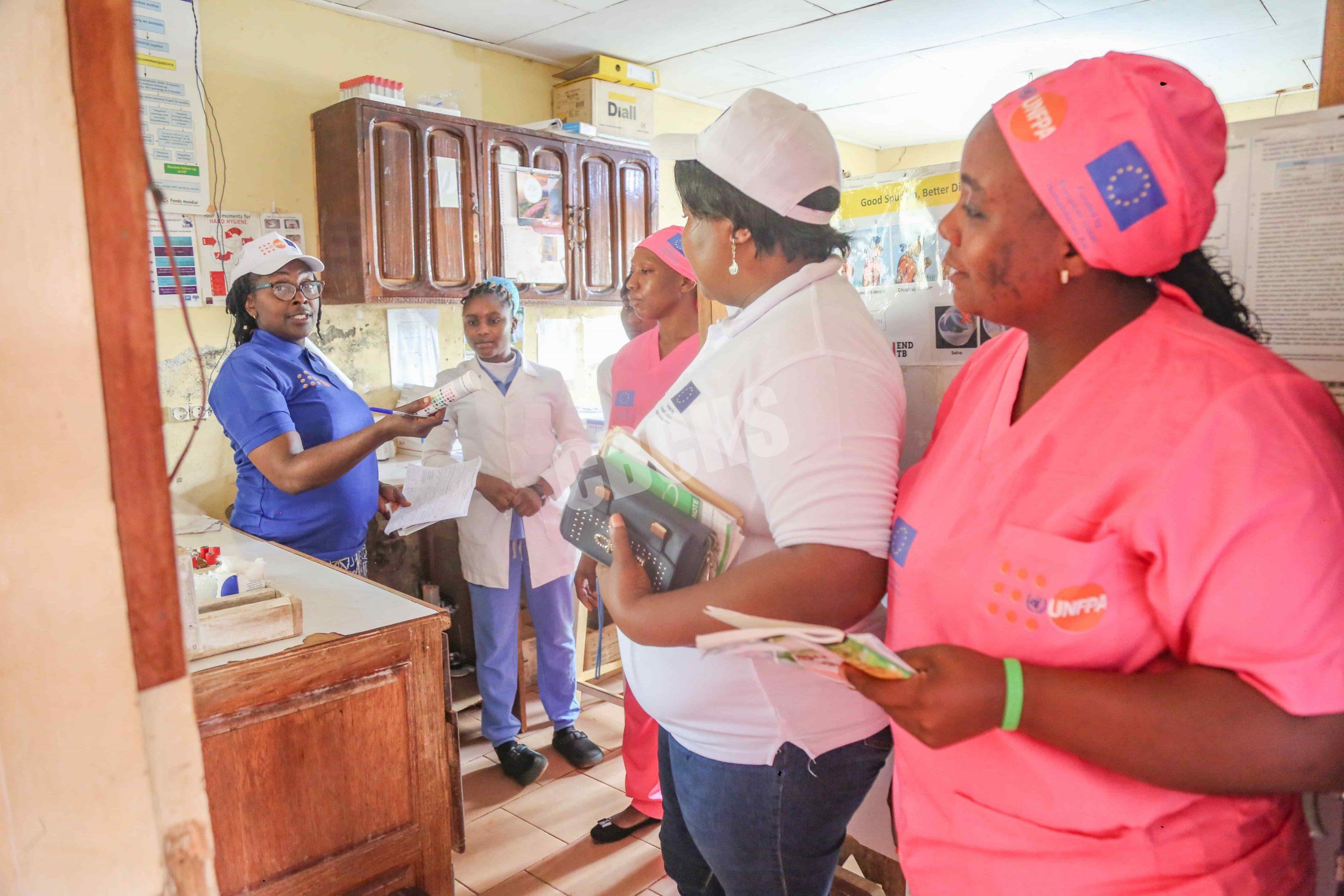
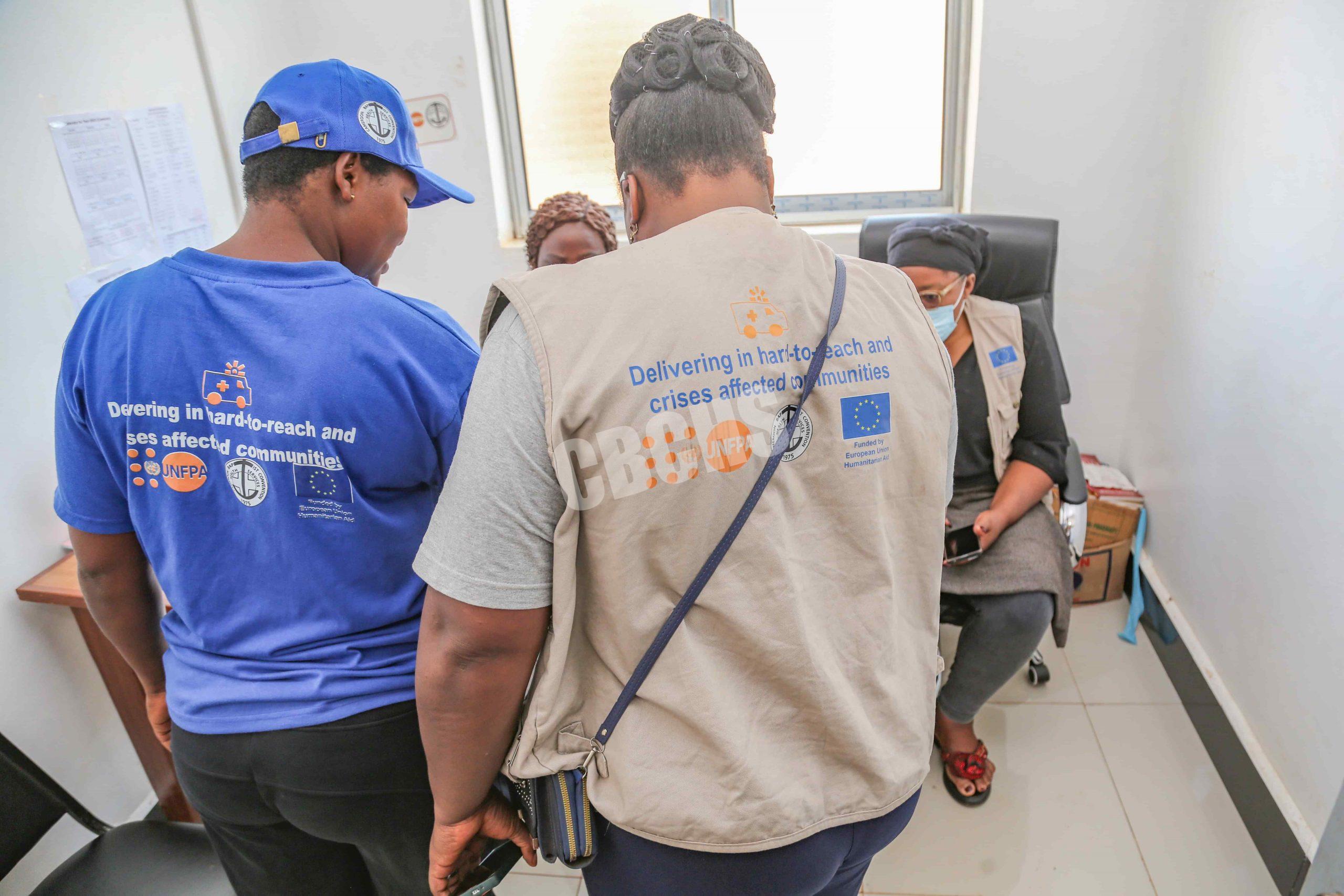
A recent monitoring and evaluation mission conducted by the UNFPA-ECHO project team of the CBC Health Services has confirmed that the recently donated life-saving medical equipment is already strengthening the capacity of health facilities to manage obstetric emergencies and neonatal complications in some of Cameroon’s most hard-to-reach, conflict-affected communities in the NW and SW regions.
Closing critical gaps identified through the EmONC assessment
The field visit followed the Emergency Obstetric and Newborn Care (EmONC) monitoring exercise conducted between October 15 and November 7, 2025, which identified urgent gaps limiting frontline facilities’ ability to respond to childbirth complications and newborn distress.
In response, medical equipment valued at 24.9 million FCFA was delivered on January 9, 2026, to nine health facilities across the North-West and South-West regions, including five facilities under the Cameroon Baptist Convention Health Services located in Ekondo Titi, Kumba, Ashong, Finkwi, and Ndu.
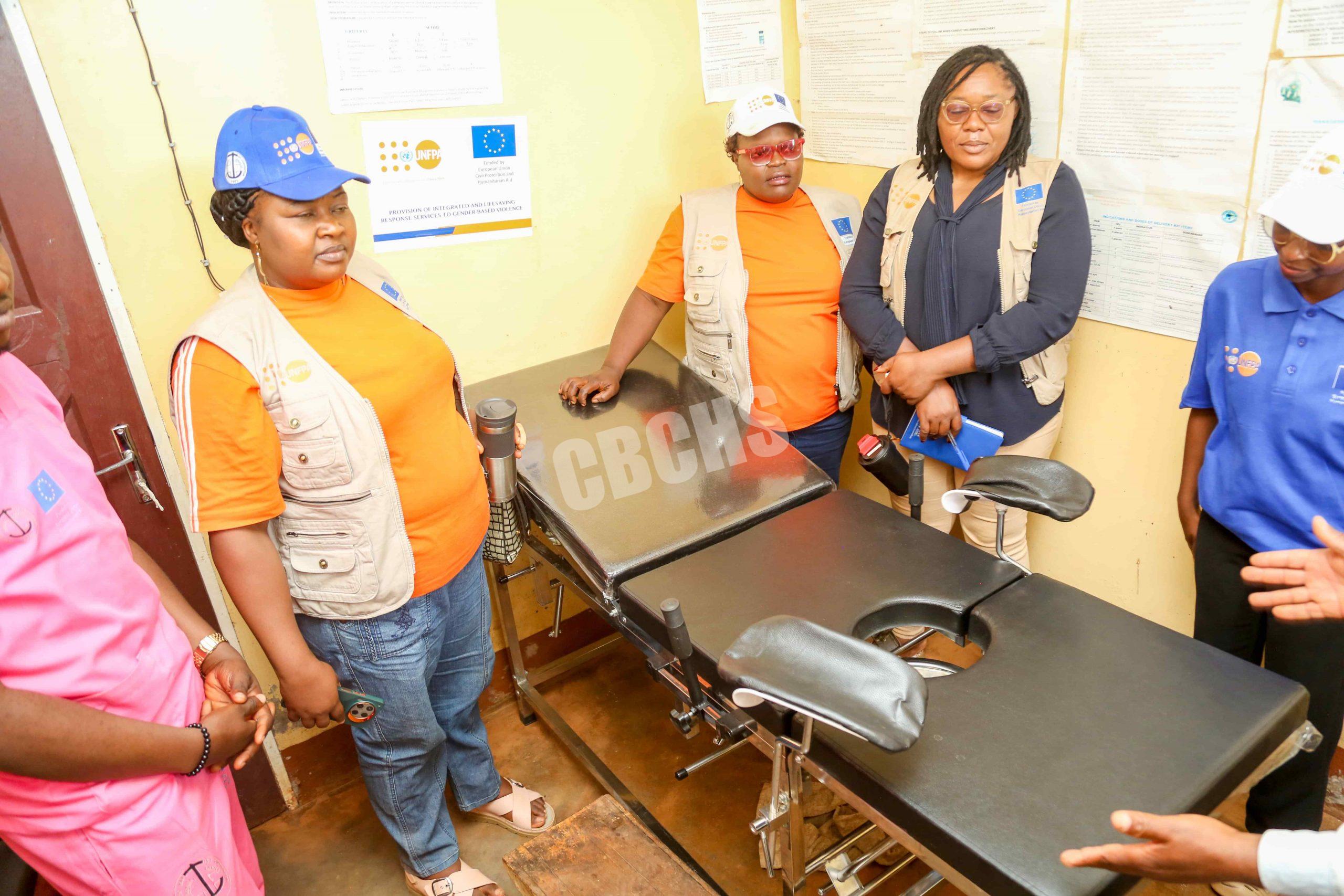
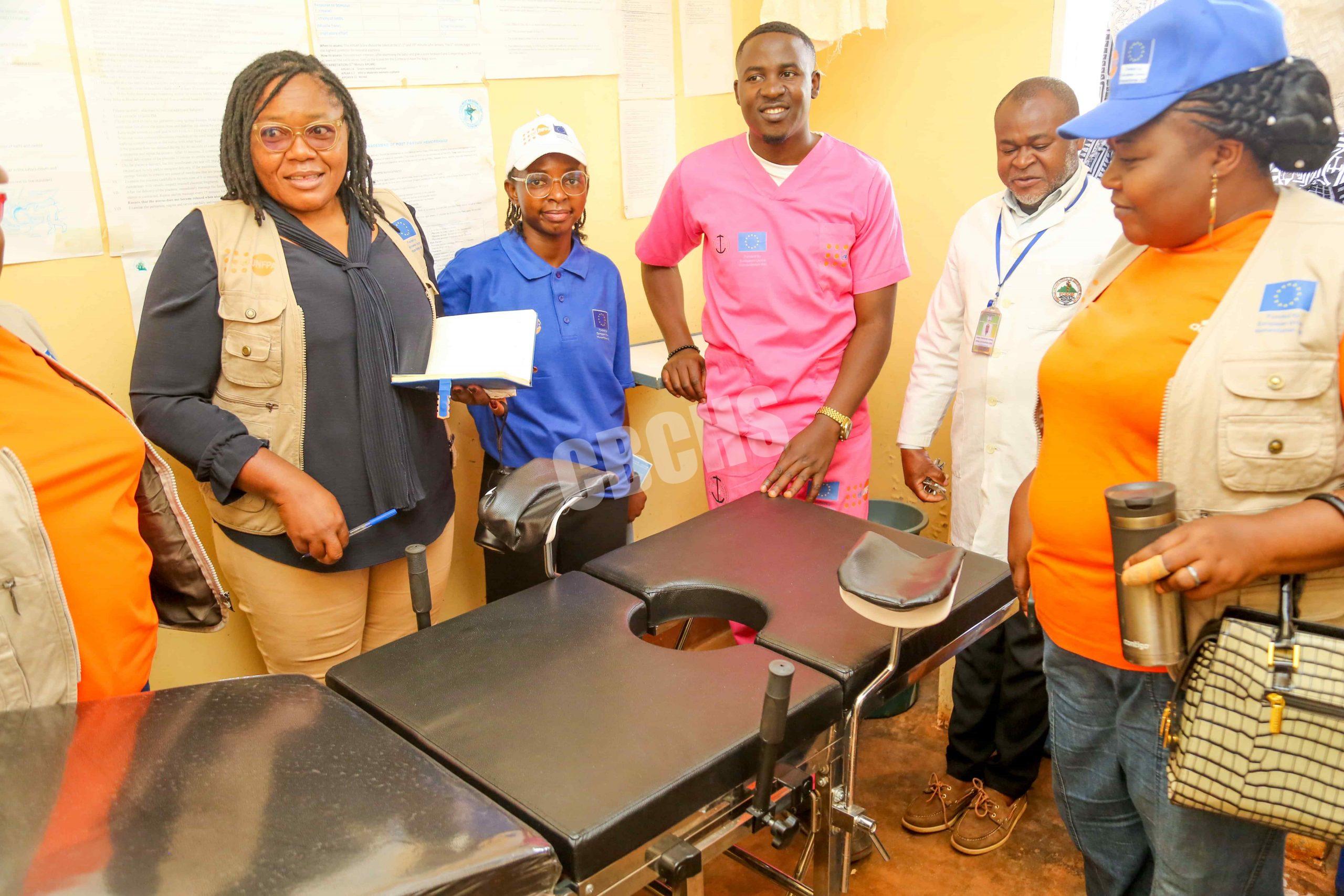
The monitoring mission aimed at verifying the use of the equipment, assess improvements in service delivery, and document how the intervention is translating donor support into measurable, life-saving outcomes for women, girls, and newborns living in these crisis-affected settings.
Equipment already transforming emergency response capacity
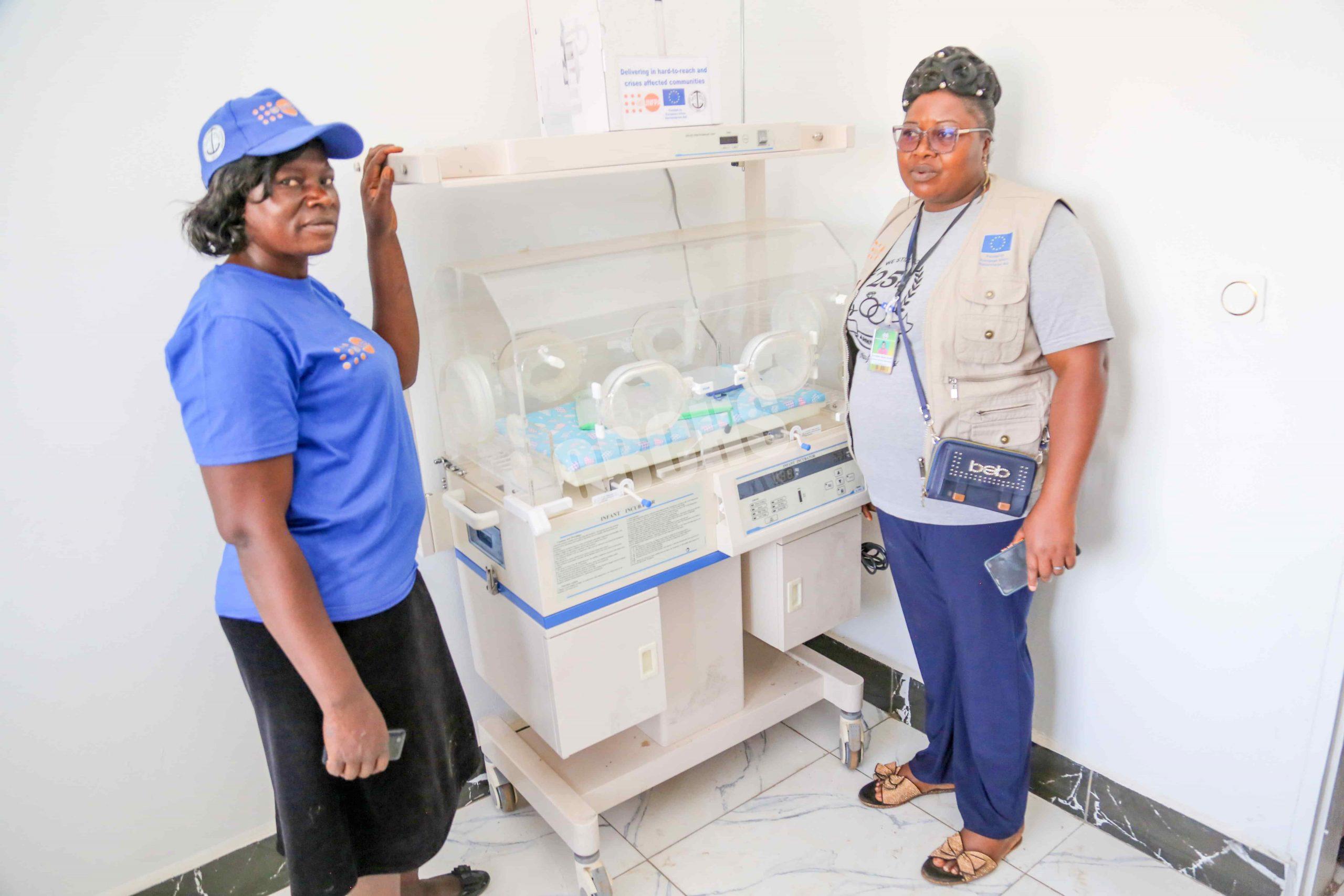
Health facility leaders reported significant improvements in their ability to provide quality maternal and newborn care. The donated package included blood bank refrigerators, incubators, radiant warmers with integrated phototherapy, autoclaves, suction machines, oxygen concentrators, delivery beds, photometers, bubble CPAP machines, and other essential devices required for comprehensive emergency obstetric and newborn care.
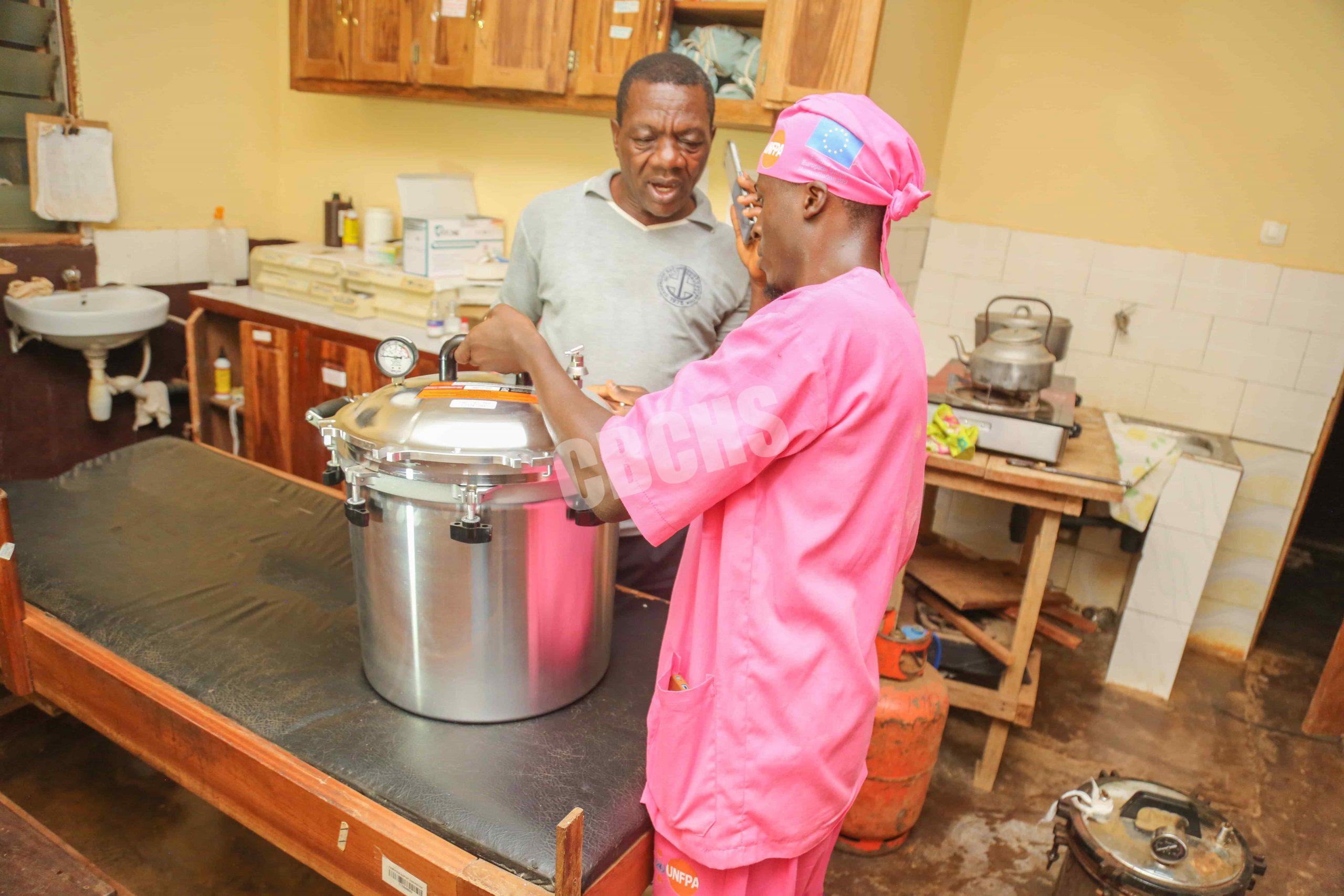
At Ashong Baptist Health Center, the Chief of Center described the intervention as a turning point for the facility’s ability to respond to emergencies. “The new autoclave alone has changed our work completely. It is larger, modern, and easier to use. We can now sterilize surgical instruments faster and more safely, which allows us to respond quickly during childbirth emergencies,” he explained.
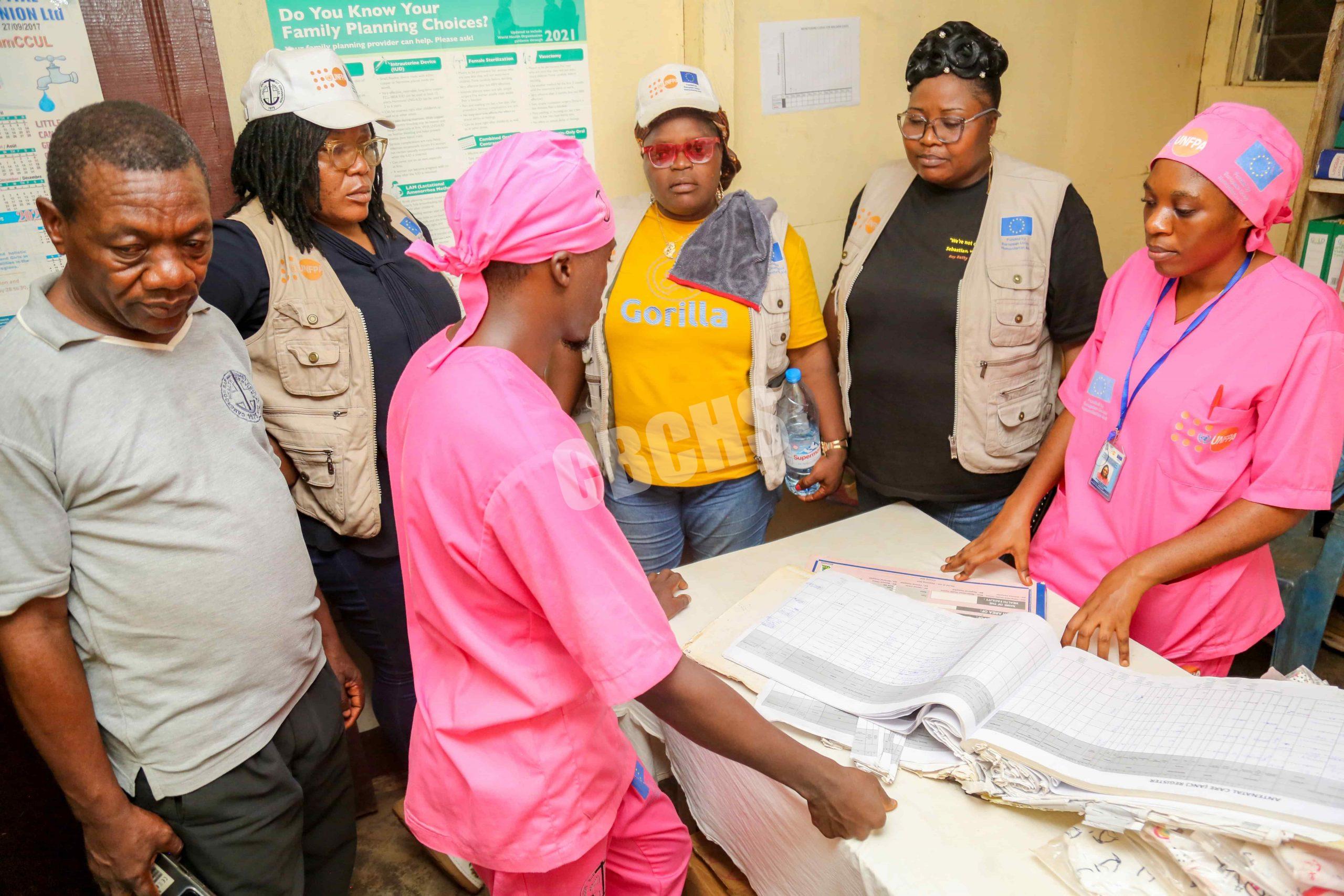
He further emphasized that the deployment of two ECHO-supported humanitarian midwives have greatly strengthened the facility’s workforce. “The midwives bring excellent skills and commitment. Because of them, pregnant women receive prompt and professional care, even in difficult situations. Our community outreach has also helped people understand that some services here are safe and free, so more women are coming early for care”.
Maternity waiting homes reducing complications for high-risk pregnancies
Facility staff further praised the ECHO-funded maternity waiting homes established under the project, noting that they have significantly reduced childbirth complications. Women with high-risk pregnancies are now able to stay close to the health facility in the final weeks before delivery, allowing health workers to monitor them closely and intervene early when complications arise.
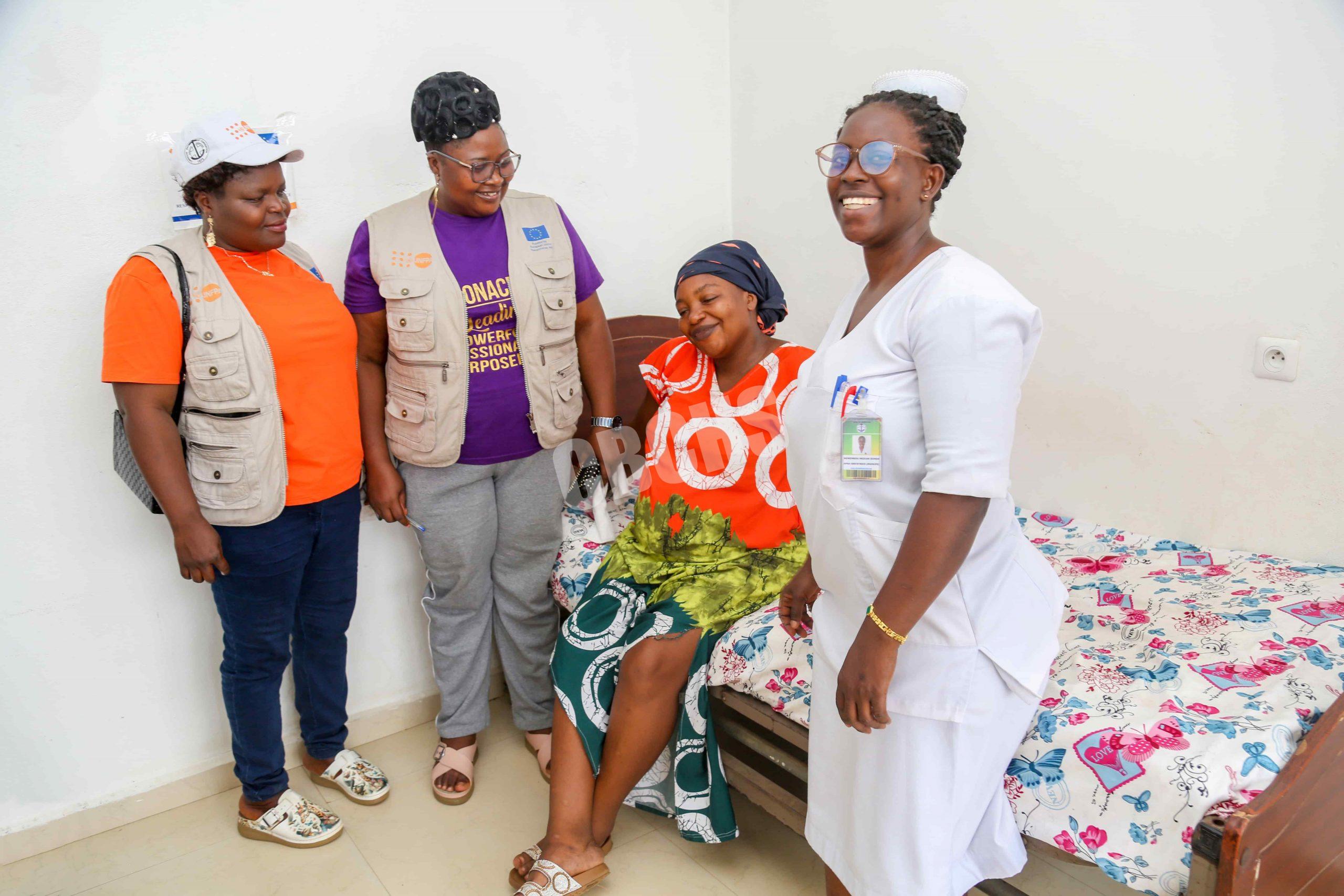
Health workers report that this approach has not only improved clinical outcomes but also restored confidence among communities that had previously struggled to access safe delivery services due to insecurity, distance, and limited resources.
Delivering lifesaving services where needs are greatest
The intervention is implemented under the project titled: “Delivering Lifesaving Integrated and Holistic Gender-Based Violence (GBV) and Sexual and Reproductive Health (SRH) Services to Women and Girls in Hard-to-Reach, Conflict-Affected Areas of the North-West and South-West Regions of Cameroon”.
Through this initiative, UNFPA and ECHO are supporting health facilities with equipment, skilled personnel, outreach activities, and protective services to ensure that women and girls affected by crisis continue to receive essential care.
Donor support translates into tangible humanitarian impact
Findings from the monitoring visit confirm that strategic, evidence-based investments are directly improving the quality and availability of maternal and newborn health services in fragile settings.
Health workers now have the tools they need, facilities are better prepared to respond to emergencies, and women are increasingly choosing to deliver in safe and supervised environments.
This intervention reflects the shared commitment of UNFPA and ECHO to ensure that no woman or girl is left behind, even in the most complex humanitarian contexts. By combining donor support with strong local partnerships and continuous monitoring, the project continues to transform resources into real, measurable impact—saving lives, restoring dignity, and strengthening resilience for vulnerable populations across Cameroon’s North-West and South-West regions.