Bamenda, North West Region – Ten years of dedicated advocacy and institutional commitment have resulted in considerable shifts in disability inclusion in the North West Region of Cameroon, with CBC Health Services at the rudder, driving meaningful change across multiple sectors.
As the region commemorates the International Day of Persons with Disabilities this December 3, a comprehensive decade-long assessment through a survey has revealed significant victories in awareness, education, healthcare, and economic empowerment – milestones which position the “North West as a pacesetter for disability inclusion across Cameroon,” posits Madam Rebecca Atemekem, North West Regional Delegate for Social Affairs.
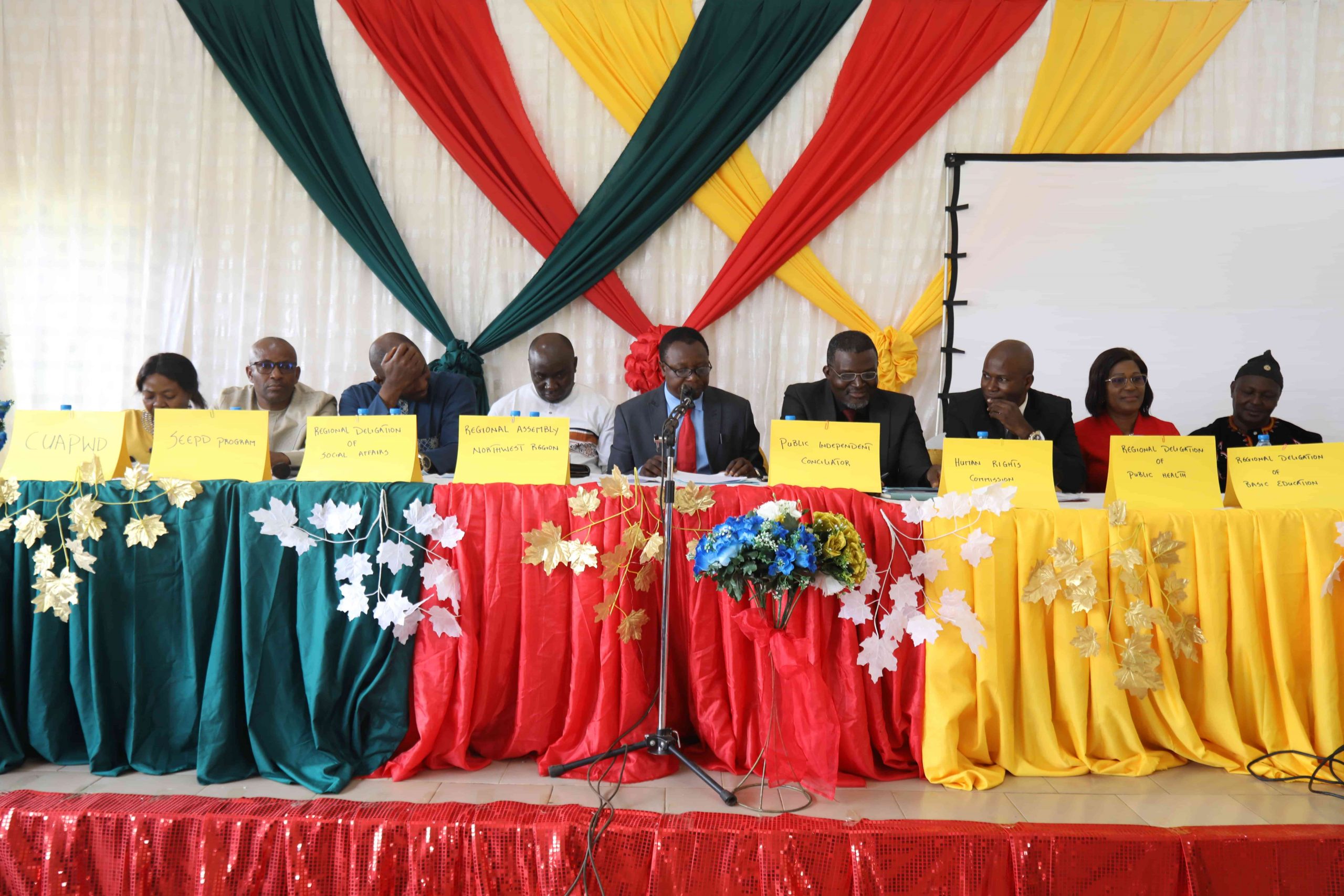
Findings from the survey conducted by the Socio-economic Empowerment of Persons with Disabilities (SEEPD) Program were made public during a panel discussion, Tuesday December 2 in Bamenda. Panelists were carefully selected stakeholders including representatives from the Coordinating Unit of Associations of Persons with Disabilities (CUAPWD), Regional Delegation of Social Affairs, Office of the Public Independent Conciliator, Human Rights Commission, North West Regional Assembly, Regional Delegation of Public Health, Regional Delegation of Basic Education and the SEEPD Program.
CBC Health Services Leading the Change
The Regional Delegate for Social Affairs, North West, opened the panel discussion with special recognition for CBC Health Services, praising its efforts through the SEEPD Program for making the welfare of persons with disabilities a central institutional commitment rather than a peripheral concern.
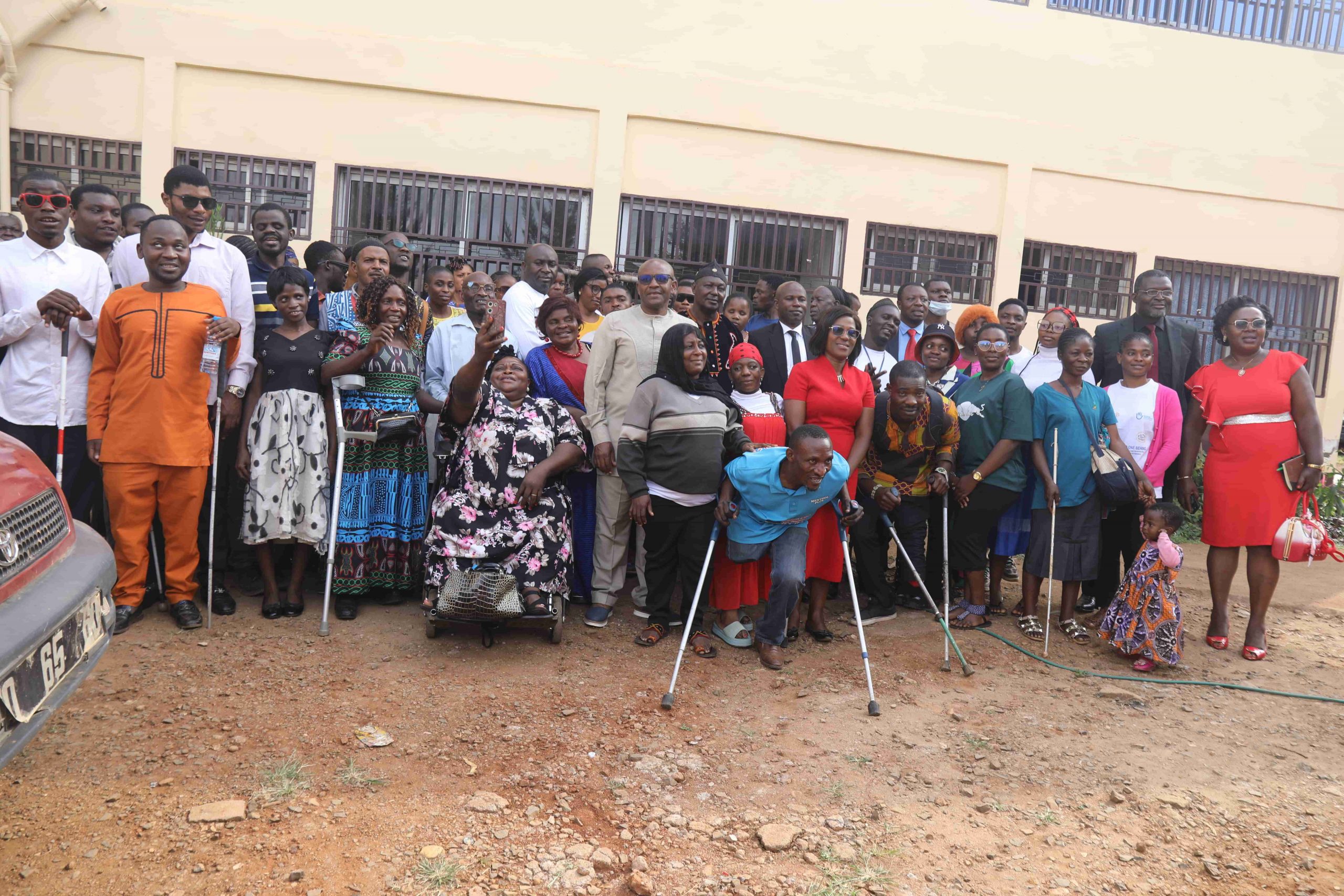
“I am proud of the endeavours I see persons with disabilities do today, including giving me a gift!,” the Delegate shared, reflecting on a personal moment that captured the dignity and agency that inclusion makes possible. Her remarks situate how CBC Health Services has helped shift perceptions from charity to empowerment, creating pathways for persons with disabilities to participate fully in society.
The North West Region has established itself as the national leader in socio-economic inclusion for persons with disabilities, with the Ministry of Social Affairs (MINAS) tasking the region with setting standards that other areas can emulate.
Building Together: Education and Healthcare Innovations
The assessment survey of 94 respondents, representing a cross-section of the North West population with 65% from the active population delivered encouraging feedback about collaborative achievements across several key indicators.
Education stands as the greatest success story the last decade, building inclusive communities together. An impressive 64% of respondents recognized moderate to significant improvement in inclusive education, indicating that children with disabilities are increasingly gaining access to quality learning environments. This achievement reflects innovative practices in teacher training, creative adaptations of classroom infrastructure, and awareness campaigns that have helped dismantle prejudices. Schools have become laboratories for inclusion, testing and scaling solutions that work.
Healthcare services have also made substantial progress, with 55% of respondents acknowledging moderate improvement. Persons with disabilities report better access to medical facilities, more respectful treatment from healthcare providers, and improved availability of specialized services. These changes in no little way “Directly improve quality of life and life expectancy for persons with disabilities,” inclusive communities advocate, Awa Jacques Chirac holds.
Economic Empowerment Picking Steam
Economic inclusion has advanced notably, with 51% of respondents recognizing improvement in opportunities for persons with disabilities to earn livelihoods and achieve financial independence. This progress signals a shift from dependency to productivity, as businesses and organizations increasingly recognize the talents and contributions of persons with disabilities.
Infrastructure accessibility has improved according to 56% of respondents, demonstrating that investments in ramps, accessible entrances, and modified facilities are making a tangible difference. While there remains work to do, this majority acknowledgment represents real progress from a decade ago.
![NW Regional Delegate of Socia] Affairs, Rebecca Ntemekem addressing stakeholders](https://cbchealthservices.org/wp-content/uploads/2025/12/NW-Regional-Delegate-of-Socia-Affairs-Rebecca-Ntemekem-addressing-stakeholders-scaled.jpg)
The arts and culture sector has also opened its doors wider, with 47% noting moderate improvement in inclusion. Persons with disabilities are increasingly visible in cultural events, artistic productions, and creative industries, enriching the region’s cultural landscape while challenging stereotypes.
Even in humanitarian response, a sector often overlooked in inclusion discussions, 41% of respondents observed improvement, suggesting that emergency services and crisis interventions are becoming more attentive to the needs of persons with disabilities.
A Foundation of Awareness
Perhaps most significantly, the survey concluded that “There is a general sense of consciousness and willingness to promote inclusion in the North West”. This cultural shift, harder to quantify but essential for lasting change, represents the foundation upon which all other progress has been built.
CBC Health Services and partner organizations have cultivated this awareness through sustained community engagement, visibility campaigns, and by consistently demonstrating that inclusion benefits entire communities, not just persons with disabilities.
Areas Requiring Urgent Attention
Despite these considerable achievements, the survey identified critical gaps that demand immediate focus to sustain the momentum of the past decade.
Transportation emerged as the most pressing challenge, with 79% of respondents reporting little to no improvement in accessible public transport. This bottleneck affects every other area of inclusion, limiting access to jobs, healthcare, education, and social participation. Without reliable, accessible transportation, other gains remain partially unrealized. Though enshrined in the April 13, 2010 Law on Disability in Cameroon, stipulating that public transportation be made accessible and void of discrimination against persons with, disability inclusion advocates regret that the sector is largely in the hands of private owners whose priority is profit-making. As such, little consideration is directed to carter for specific needs of persons with disabilities.
Political participation lags significantly, with 70% perceiving minimal progress over ten years. Only 30% believe persons with disabilities have achieved meaningful representation in political processes and decision-making bodies. This exclusion from civic leadership means the voices of persons with disabilities remain marginalized in policies that directly affect their lives. Nnogning Armel, Board Chair of CUAPWD situates that the number of persons with disabilities who registered to participate in election this year scored a significant increase. Regrettably, many of them could not go out to exercise their civic rights due to political tensions which restricts free movement in the region
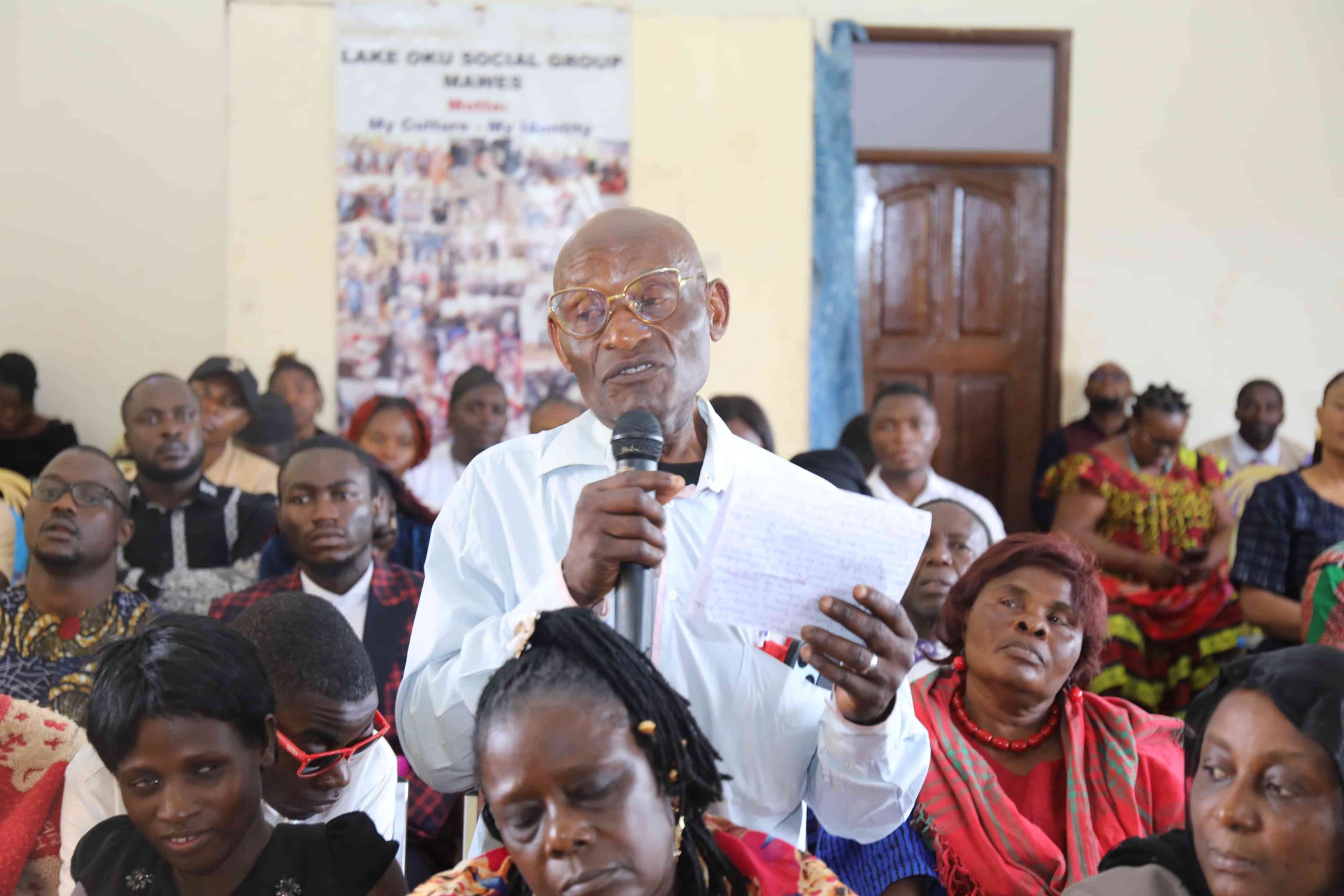
Access to justice shows similarly concerning results, with 66% rating inclusion in the justice sector as low. Equal protection under the law and fair recourse to legal systems remain elusive for many persons with disabilities. This is worsened by the low level of legal literacy on the part of persons with disabilities, demonstrated at the Q & A conversations during the Panel Discussion. To close this gap, head of the Human Rights Commission, North West, Agbor Nkeng suggests that stakeholders of disability inclusion should multiply capacity building on the law and legal procedures to bring persons with disabilities to speed with their rights obligations.
Sports and recreation have been largely overlooked, with 67% of respondents noting little to no improvement. These areas, while sometimes considered non-essential, are crucial for health, social integration, and community belonging. In this domain, Madam Tchacwe Delphine, a person with mobility impairment who has begun an initiative known as “Special Ability Gym,” while calling on stakeholders to support the participation of persons with disabilities in sporting activities, challenges her peers to explore initiatives like hers.
Communication accessibility has improved only marginally, with 53% acknowledging slight progress. Signage, information formats, and communication systems remain barriers for persons with visual, hearing, and cognitive disabilities, with 63% reporting inadequate signage improvements specifically.
Persistent Cultural Barriers
Beyond infrastructure and services, attitudinal challenges continue to undermine progress. The survey identified seven critical areas requiring intervention:
Violence and harassment remain alarmingly common, with 91% of respondents reporting bullying and gender-based violence against persons with disabilities ranging from mild to extreme. This persistence of violence demands urgent, coordinated response from law enforcement, social services, and community leaders.
Discrimination from service providers still visible, with stigma, rudeness, and outright refusal of service creating hostile environments that contradict official inclusion policies.
Outdated mindsets centered on pity, overprotection, and charity continue to prevail over rights-based approaches. These attitudes, however well-intentioned, deny persons with disabilities their agency and dignity.
Financial services remain largely inaccessible, excluding persons with disabilities from banking, credit, and economic opportunities. Only 14% of respondents consider public infrastructure truly accessible, indicating that much of the built environment still presents barriers.
Service providers across sectors lack adequate training and capacity to deliver genuinely inclusive services, while persons with disabilities remain underrepresented in leadership and decision-making roles – perpetuating policies designed without their input.
The Next Decade
The ten-year journey of inclusion in the North West validates that sustained commitment yields results. With institutional dedication like the CBC Health Services’ leadership, broader social change in inclusion is possible. While the progress in education and healthcare shows what becomes possible when inclusion moves from aspiration to priority.
The next decade must build on these foundations to address the critical gaps in transportation, political participation, and protection from violence. The consciousness and willingness that now exist across the region must translate into concrete investments in accessible infrastructure, policy reforms that mandate inclusion, and accountability mechanisms that ensure persons with disabilities are not merely consulted but empowered as decision-makers.
As the Regional Delegate of Social Affairs noted, the pride she feels witnessing persons with disabilities thrive is well-earned but it must fuel continued action.