For decades, print-disabled learners in Cameroon have faced an ‘insurmountable’ barrier to learning materials – textbooks they cannot read. While their peers flip through pages of literature and other textbooks, blind students, those with low vision, dyslexia, and physical disabilities preventing them from handling books have been locked out of the standard curriculum, not by lack of ability, but by lack of access.
The Barrier is about to fall
By January 2026, the Cameroon Baptist Convention (CBC) Health Services will launch the country’s first accessible digital library for learners with print disabilities. The initiative, implemented through CBC Health Services’ Socio-Economic Empowerment for Persons with Disabilities (SEEPD) Program, will serve 500 learners across both English and French education systems.
After two years of trials and refinement, the pilot phase is complete: Some 70 language and literature textbooks for secondary school students have been converted to accessible e-books, while over 30 primary school textbooks have been recorded as audiobooks.
“Access to teaching-learning materials is everything to learners with disabilities,” says Dr. Longla Bridget, Education Advisor to the SEEPD Program and Project Lead. “It ensures their full participation in the learning process and does not deprive them of their right to quality inclusive education.”
The Cost of Inaccessibility
Dr. Longla discovered the depth of this crisis while conducting her PhD research on inclusive education in Cameroon. She was alarmed by how isolated print-disabled learners become, especially during homework assignments meant to deepen classroom learning. Without accessible textbooks, these students either rely entirely on oral instruction, depend on others to read aloud to them, or simply cannot participate in textbook exercises. “The learners are blank and cannot participate,” Dr. Longla laments.
Kimbi Lambrice, a visually impaired student at Baptist Comprehensive High School Nkwen, explains what accessibility means to him and his peers: “For us to belong to the digital world, we must have contents in the digital space that are accessible. We use talkback applications to be able to navigate digital contents”.
Building Accessibility from Scratch
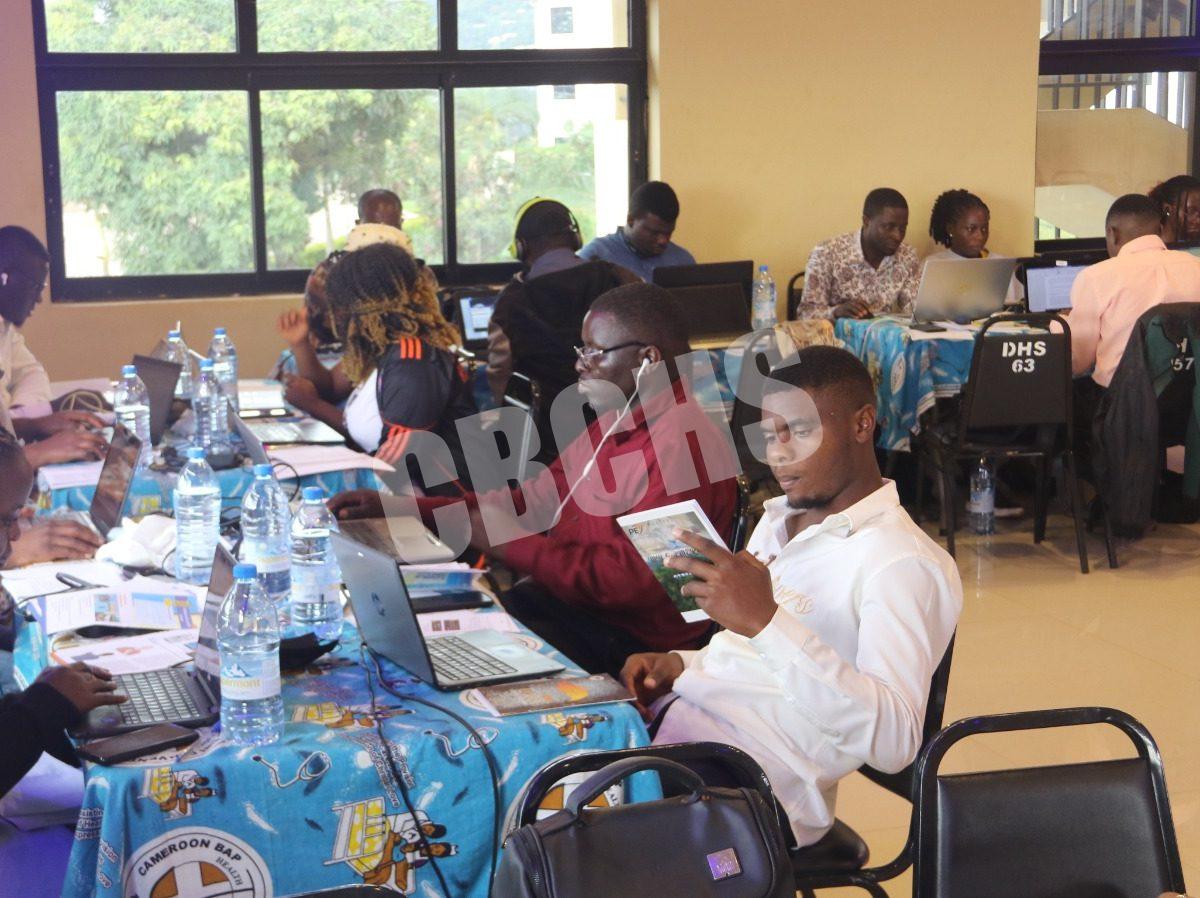
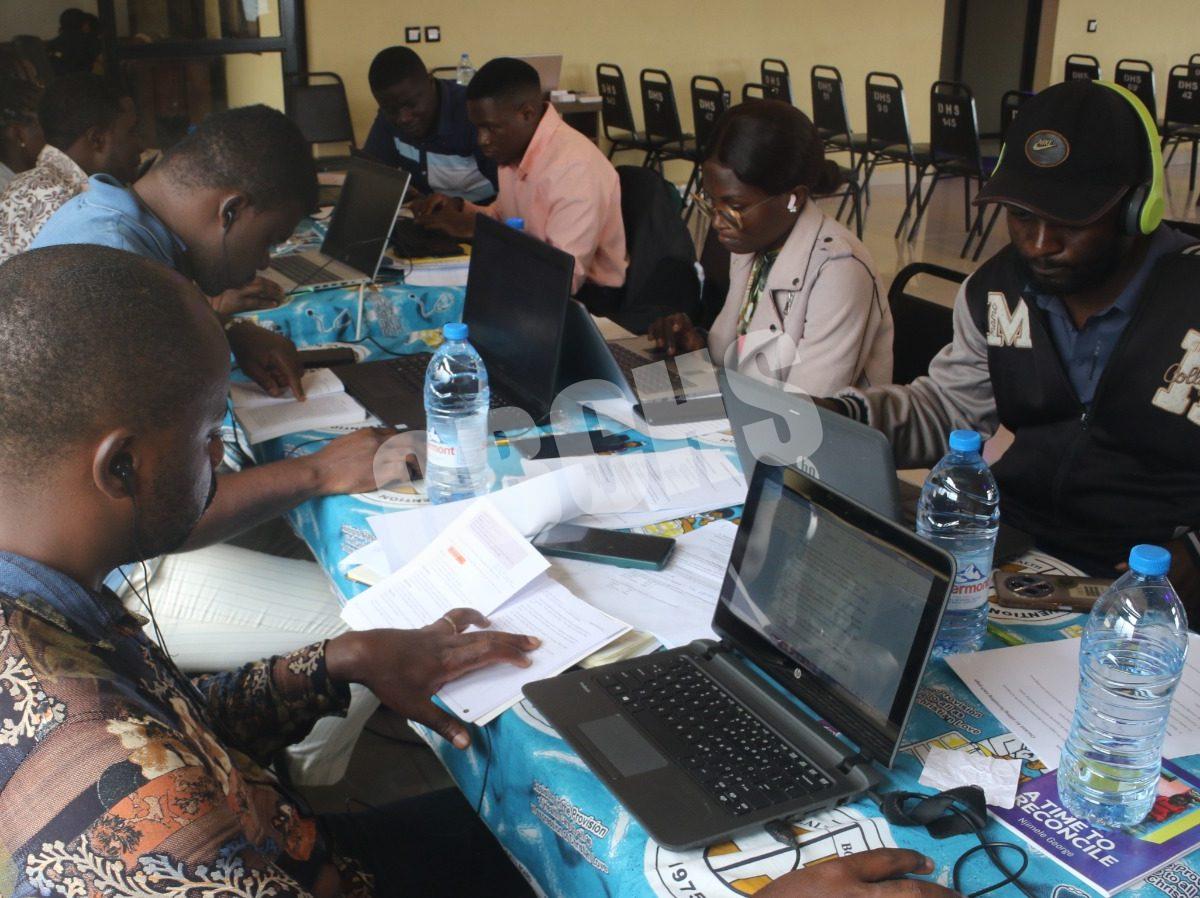
Creating an accessible digital library has been laborious. The SEEPD Program recruited, trained, and engaged converters to rework selected books into digitally accessible formats.
“The books must be converted into digitally accessible formats so that digital assistive tools can interpret the scripts to the learners without hitches,” explains Ndintek Kennedy, trainer and Project Officer.
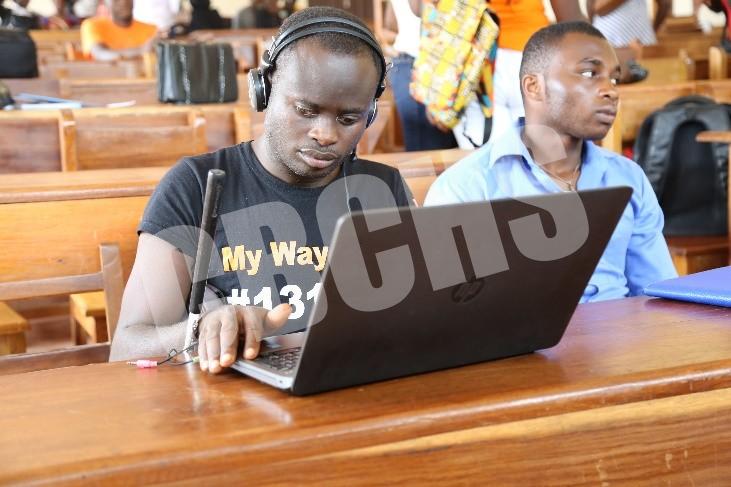
This means ensuring texts are formatted so assistive tools can read them smoothly, while graphics and pictures are described appropriately for learners with vision impairments.
Global Standards Transforming Local Vision
When the initiative began in 2024, the team had modest expectations. They initially focused on audiobooks recorded by humans in a studio. Then Christian Blind Mission (CBM), a trusted partner of CBC Health Services, reviewed the first outcome. CBM saw potential for global impact but recommended standardized improvements for international consumption.
Rather than settle for a well-intentioned but inadequate system, the team committed to meeting international standards for accessible educational materials. CBM connected them with Daisy Consortium, a digital inclusive rights organization based in India.
The partnership has become mutually beneficial. The SEEPD Program consumes Daisy Consortium’s digital resources while receiving valuable support for the library project. Each book goes through nine rigorous conversion steps. Daisy Consortium then tests the outcome using EPUB3 and other digital tools to measure accessibility for global readers.
Tailored Access
Access to the digital library requires a Disability Card. The library will be hosted in the cloud through servers at the Regional Education Inclusive Resource Centre at GBHS Bamenda. Students download each textbook once to their devices and can use them offline indefinitely, though the content cannot be transferred to other devices.
Navigating Copyright Law
To overcome potential battles with authors and publishers, CBC Health Services activated the Marrakesh Treaty, which Cameroon ratified on April 27, 2021.
“The provision of this treaty authorizes organizations and individuals to modify published works into accessible formats for learners with vision impairments with the sole purpose of studies,” explains inclusive development advocate Awa Jacques Chirac.
Despite this legal protection, CBC Health Services values collaborative relationships. The project has committed to purchasing an equivalent number of textbooks to the number of subscribers granted digital access, ensuring authors make sales.
This approach creates an additional benefit: learners from poor backgrounds who form a “Circle of Friends” around learners with disabilities can obtain free copies of the purchased books. However, this commitment carries enormous costs.
Dr. Longla says the team needs support to raise funds for over 2,500 textbooks required to grant access to 500 learners with vision impairments in this pilot phase alone. So far, Orange Foundation is supporting the conversion and editing process and has committed to financing the purchase of 500 copies of converted textbooks.
Vision for the Future
While the SEEPD Program is investing significant resources, the ultimate goal is government ownership. “This pilot phase is to show government that this best practice is achievable,” Dr. Longla says. “And government can oblige publishers to render books accessible to all categories of learners,” she reiterates.
Kimbi Lambrice and Precious Noh, both learners with vision impairments, have tested firsthand the functioning of the accessible digital library. Their expectation and excitement to finally gain full access to this platform is an appetite that cannot wait to be satisfied.
“We are all human beings. We must access the world differently,” Dr Longla concludes.