
The fight against Non-Communicable Diseases (NCDs) in the Northwest region received a significant strategic boost on March 6, 2026. The NCD Prevention and Control Program (NCD PCP) of the CBC Health Services organized a high-energy workshop in Bamenda, bringing together an influential mix of educators and top media professionals to tackle the rising threat of “silent killers” like diabetes, hypertension, and obesity.
The core message of the day was clear: health is not just a “doctor thing”, it is a community mission. Led by Program Manager Mr. Takwe Boniface, the team broke down how these chronic conditions are creeping into Cameroonian homes and why teachers and journalists are the secret weapons needed to stop them.

The classroom has been identified as the primary frontline for prevention. During his sessions, Mr. Takwe Boniface provided an overview of NCDs and the importance of prevention activities within schools. He emphasized the critical role that parents, teachers, and students play in this battle, specifically highlighting the types of foods sold in school canteens and urging administrators to monitor what children consume, especially in boarding schools.
Teachers were encouraged to integrate NCD prevention techniques directly into their daily lessons. This approach ensures that healthy lifestyle habits sink deep into the minds of students, eventually influencing the lifestyle choices of their parents and transforming the community from the inside out.
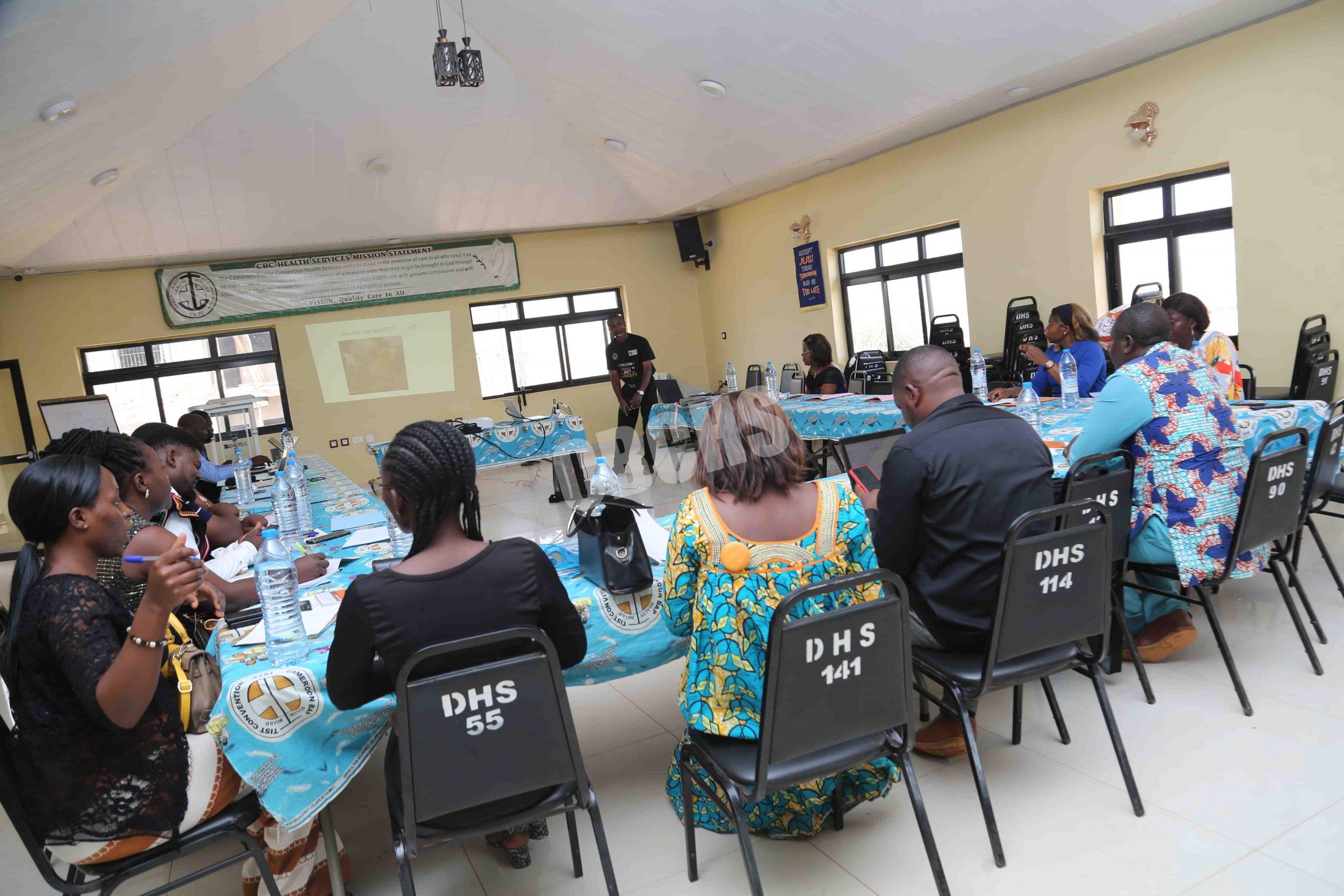
A major focus of the workshop was providing participants with a comprehensive “NCD Toolkit” for lifestyle modification. Nutrition counseling was handled by the Program Officer, Mrs. Nfor Shirley, while the science of physical activity was led by the Sports Coordinator, Mr. Monju Elvis. Mr. Monju focused on the exact prescription of exercise, including duration, classification, and intensity. He noted that for results to be seen, individuals should aim for at least 30 minutes of exercise a day, five days a week.
The discussion also covered the risks of tobacco and alcohol use, led by Mr. Ivo Tanjong, a Mental Health Counselor from Nkwen Baptist Hospital. Mr. Tanjong revealed that 1 in 5 people face mental health issues and outlined the vital role that parents and teachers play in maintaining the mental stability of students both at school and at home.

To ensure that these life-saving messages reach the person in the market or the office, the workshop leaned heavily on its media partners. The Communication Officer, Mrs. Nemkul Freida focused on the media’s role in NCD prevention. She noted that the media serves as the ultimate “multiplier” in the fight against NCDs, acting as the critical link between medical expertise and the daily choices of the community. Rather than just reporting facts, journalists serve as Agenda Setters who bring urgency to the “silent epidemic,” Myth Busters who replace misinformation with life-saving truths, and Advocates who investigate the environmental factors like the cost of healthy food or air quality that impact our health. By humanizing the statistics and highlighting real stories of management and hope, the media transforms NCD prevention from a complex medical topic into a powerful, community-wide movement for a healthier future.

On his part, the Monitoring and Evaluation Officer, Mr. Ngandi Alfred discussed the importance of reporting and the qualities of a good report. Mr. Ngandi noted that high-quality reporting is a powerful tool for sustainability; by documenting the work done by media organs and teachers in sensitizing the public, they can demonstrate impact to funders, proving that with more resources, even more can be achieved. The workshop, which served as a vital follow-up to World Obesity Day, concluded with a renewed sense of empowerment. By the end of the day, Bamenda’s storytellers and educators left ready to ensure that every household in the region knows how to prevent, manage, and win the fight against NCDs. As the CBC Health Services team maintains, education and information truly are the best medicine for a healthier Bamenda.