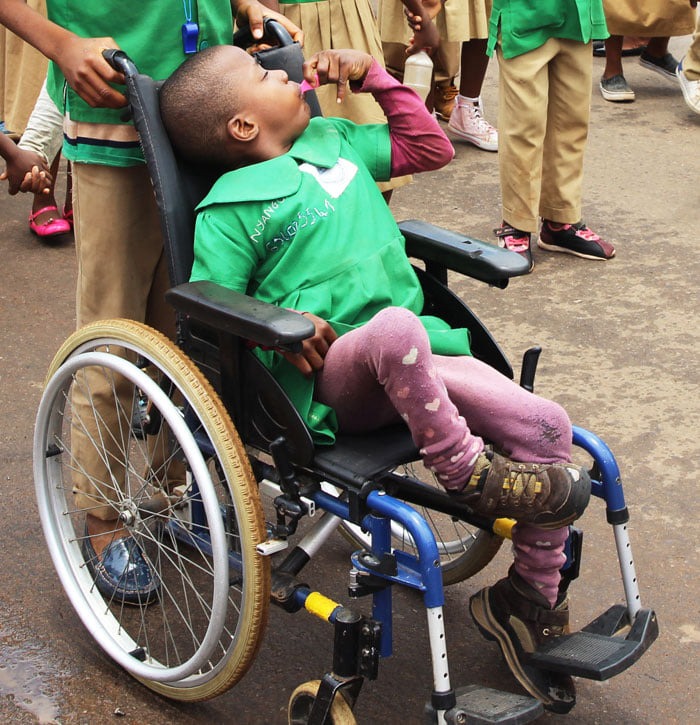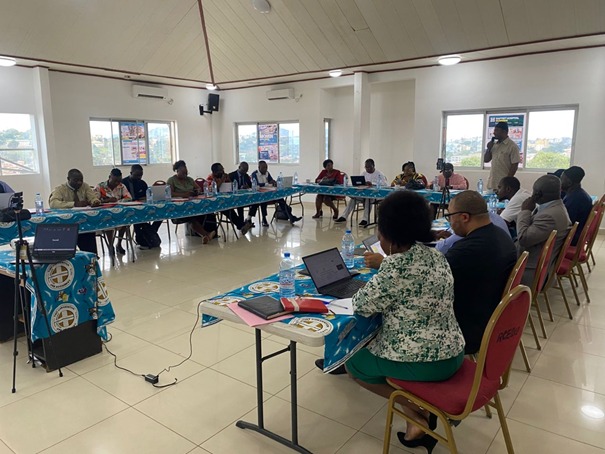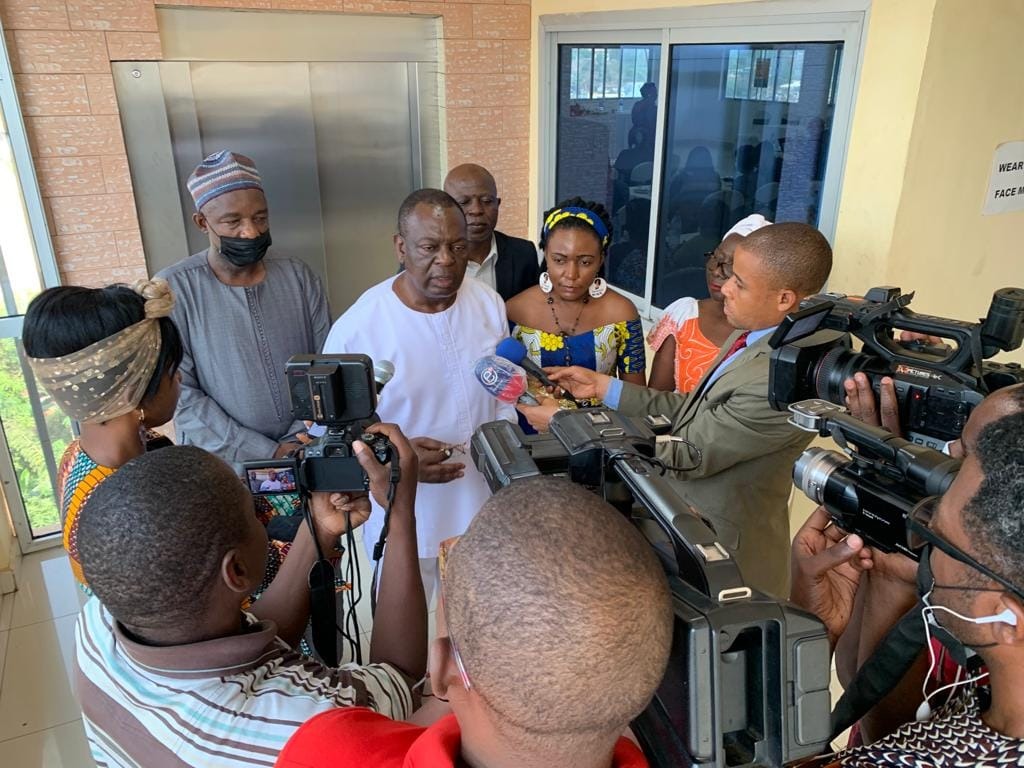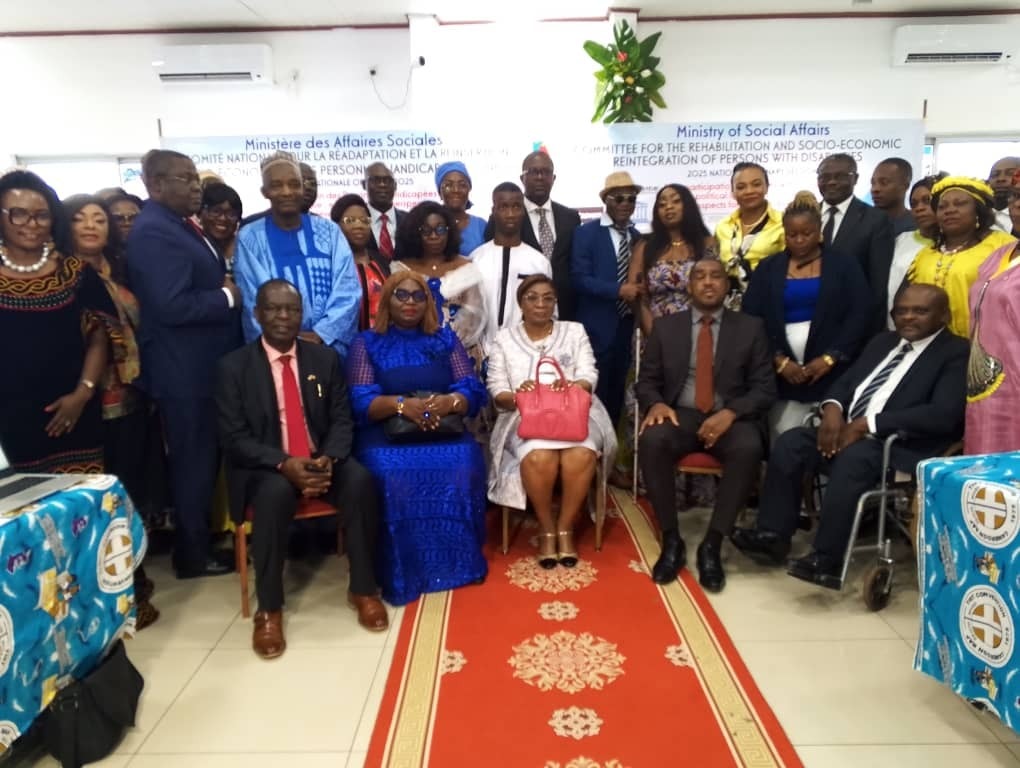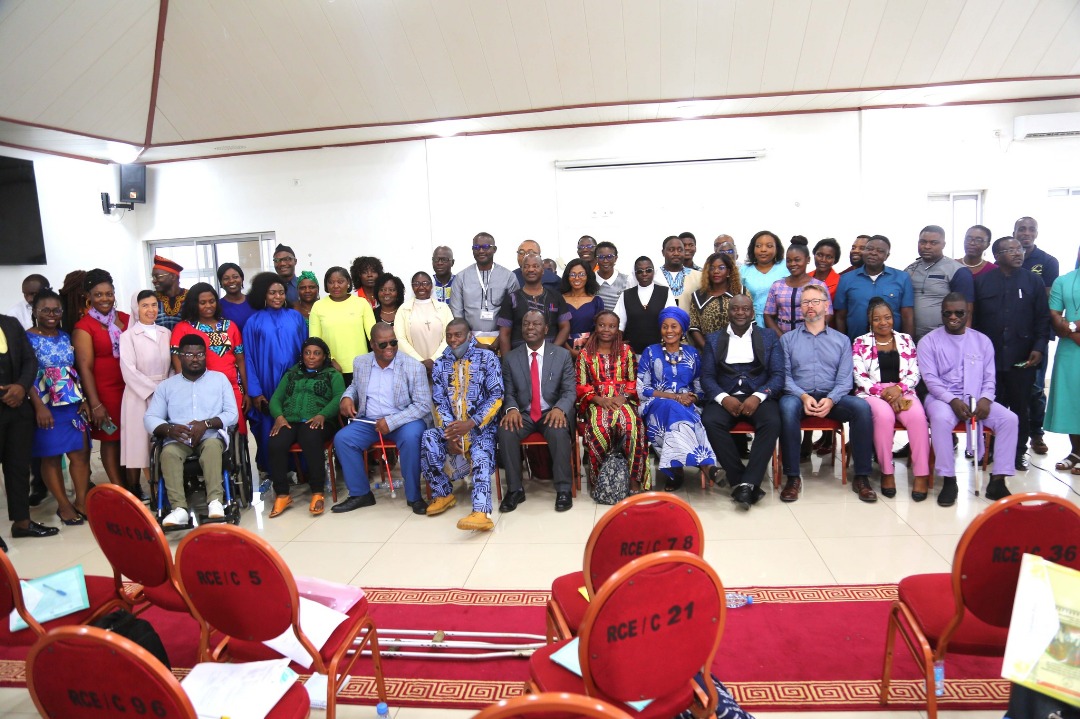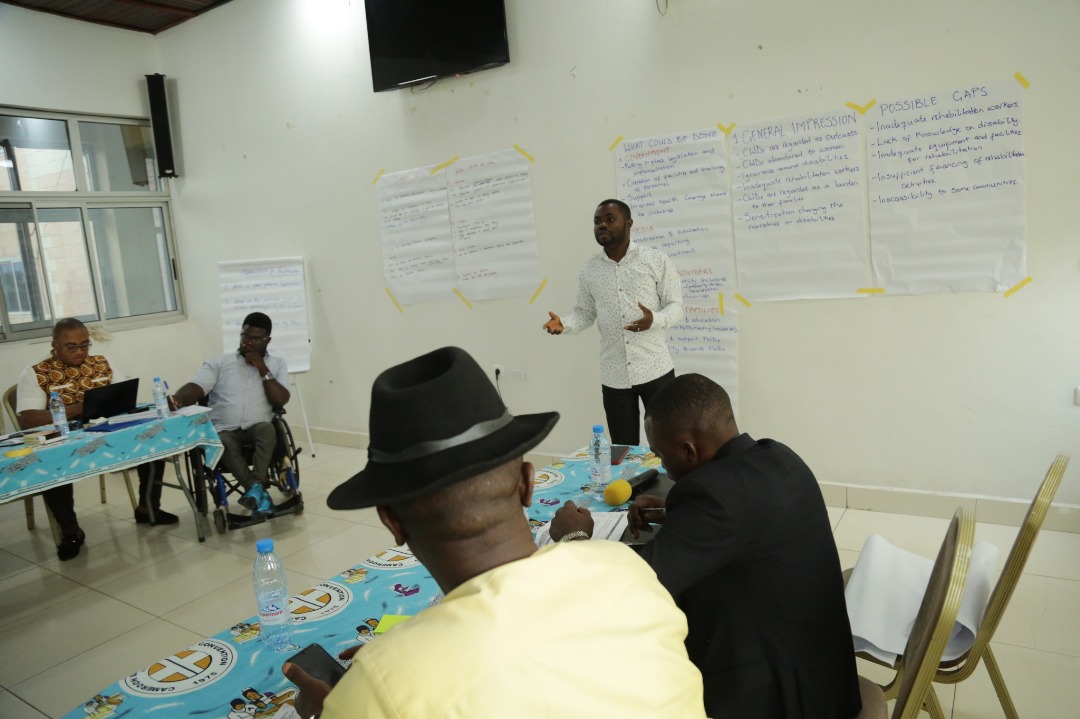
From 2015 till date, research has preoccupied the Empowerment and Disability Inclusive Development (EDID) program of the CBC Health Services to seek better ways to improve the lives of persons with disabilities, especially children and youths.
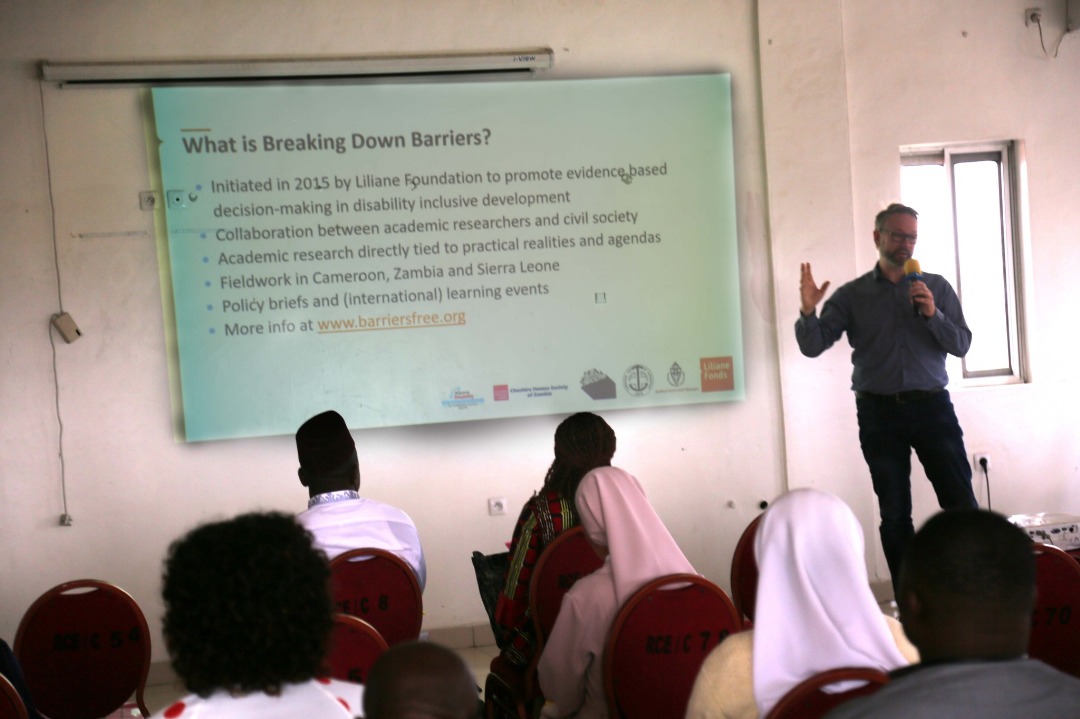
The research project, ‘Breaking Down Barriers’ was initiated by Liliane Foundation to contribute to more effective and evidence-based policies and programmes in the field of disability inclusive development. It does so by bringing together civil society organisations and researchers from the Netherlands, Cameroon, Sierra Leone and Zambia.
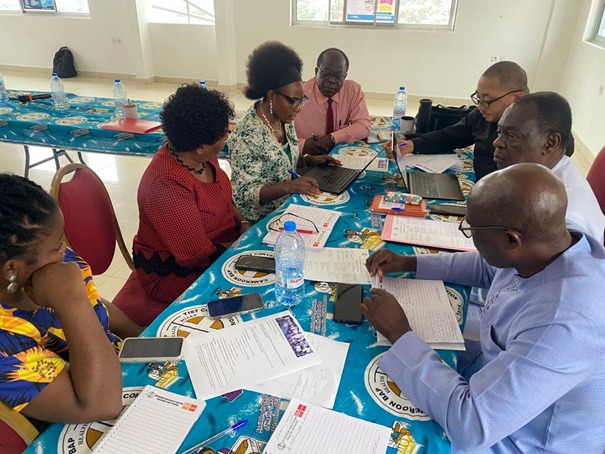
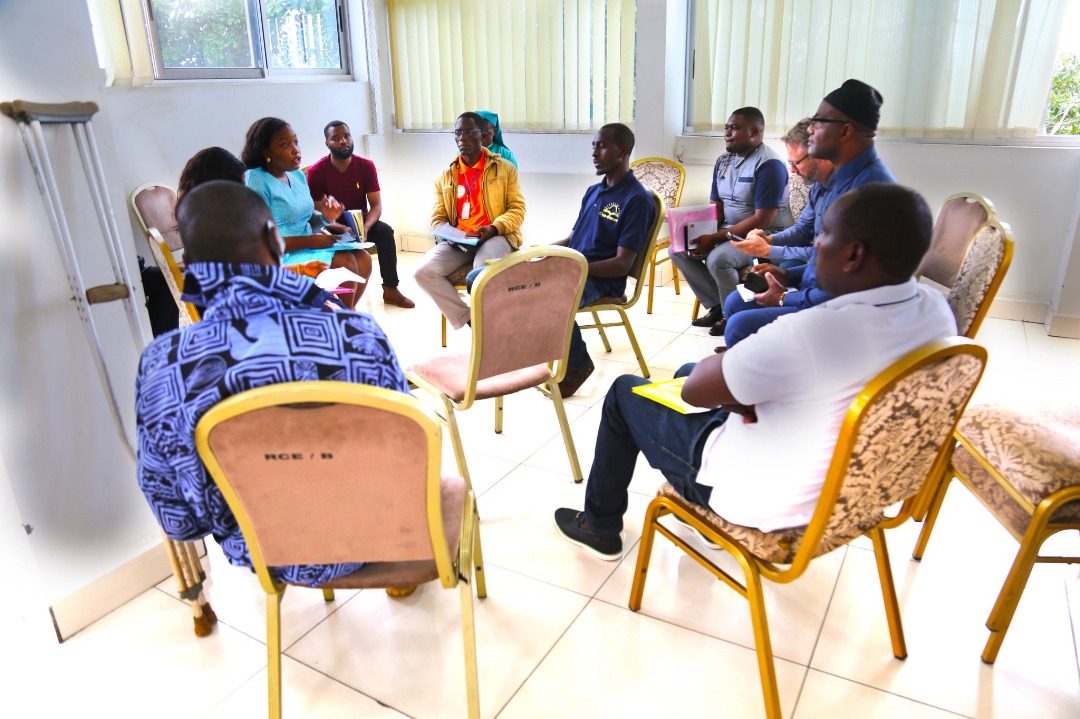
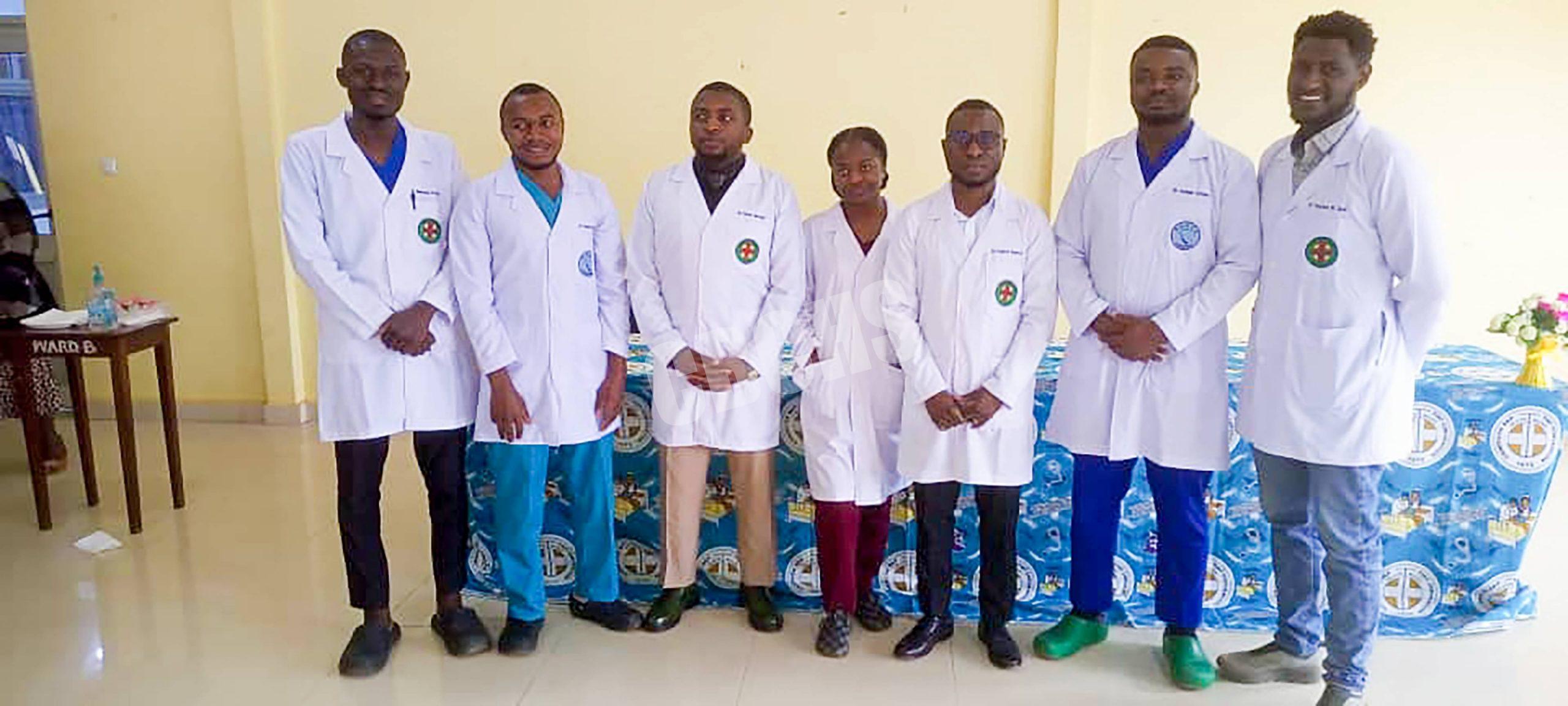
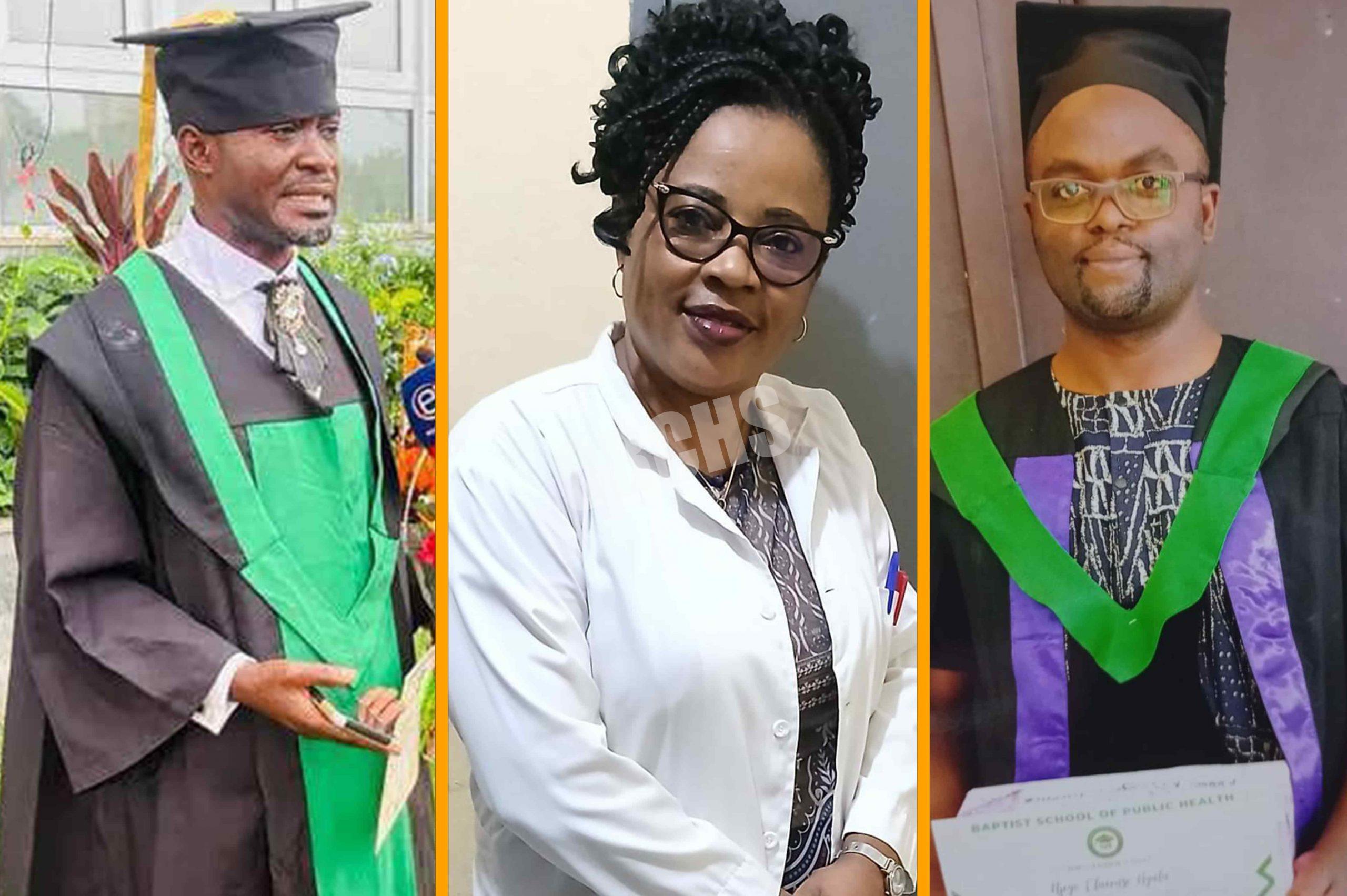
In 2025, the Cameroon group of researchers came from the CBC Health Services, University of Bamenda and Radboud University in the Netherlands. In their abstract, they delved into the Patterns of Success in CBR with Insights from the EDID Program. Many other Cameroonians have authored other research works since 2015.
See more on https://www.barriersfree.org/downloads.
Community-Based Rehabilitation (CBR) is a comprehensive approach addressing the diverse needs of individuals with disabilities within their communities. This study examines the Empowerment and Disability Inclusive Development (EDID) program, a CBR initiative implemented by the Cameroon Baptist Convention Health Services (CBCHS) in Cameroon. Using a mixed-methodology approach, the research sheds light on the pathways of change and critical design principles of the EDID project. The findings highlight the program’s success in promoting disability inclusion across a range of CBR dimensions: education, health, social services, and livelihood as well as empowerment as a crosscutting dimension.
EDID realises its goals through five key pathways: regular home visits, peer groups, community actors, service provider networks, and partnerships. These pathways work synergistically, involving a wide range of activities that have a transformative impact on the lives of children, youth with disabilities, and their parents.
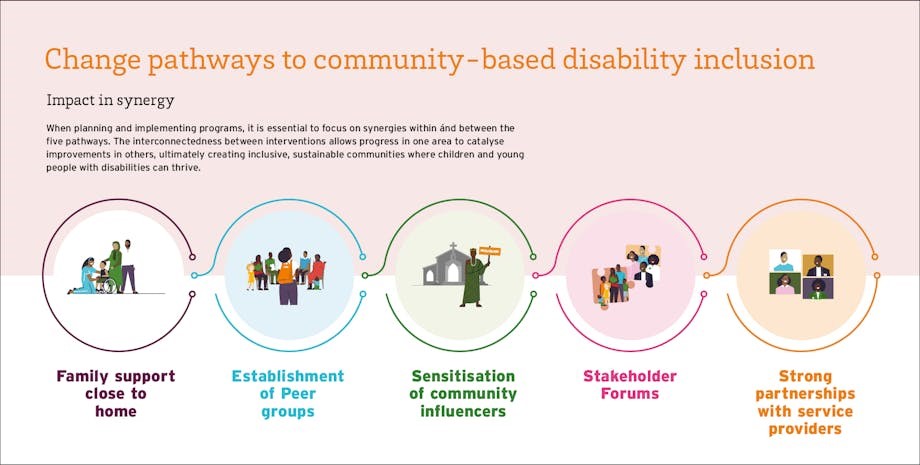
The success of the EDID project is rooted in six core design principles: addressing both direct needs and root causes, emphasising knowledge to change attitudes and behaviors, operating on multi-level, multi-disciplinary, and multi-stakeholder levels, prioritising
empowerment and self-reliance, networking with institutions, and engaging in advocacy. Overall, the program’s strength lies in the combined efforts to educate and empower both individuals with disabilities and key community stakeholders.
On one hand, EDID educates parents and youth, equipping them to be more self-reliant and to advocate for their needs and rights. On the other hand, it raises awareness among community actors and power holders, fostering a more inclusive and supportive environment. These complementary efforts may work together to reinforce positive changes in attitudes, behaviours, and systemic support for disability inclusion in the community.
“Research enables us to advocate for the rights of children and young people with disabilities. It gives us the evidence we need to challenge stigma, influence policy and create inclusive environments in which every child and young person can thrive,” notes Erik Ankermann, Director of Liline Foundation.
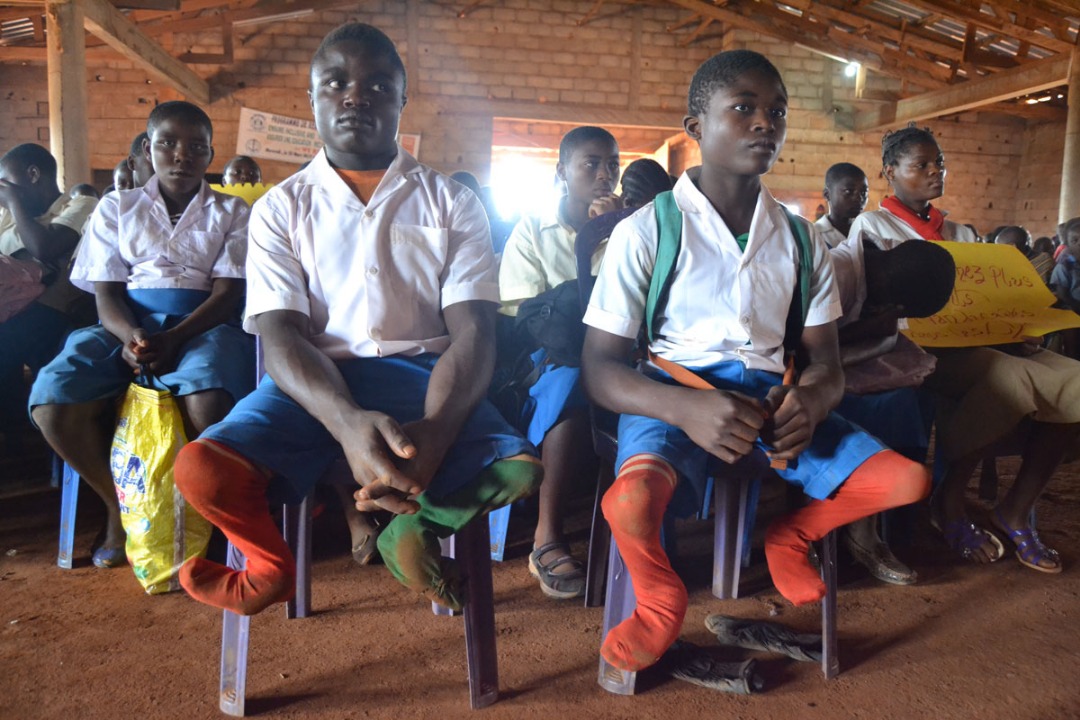
The EDID program has been through a period of bold exploration, advancing disability inclusion through research and meaningful discovery. The research has illuminated the realities faced by children and youth with disabilities in fragile contexts, while also uncovering innovative approaches to early support and education. Through dedicated focus on Community Based Rehabilitation, the research gathered invaluable lessons on how to sustain lasting impact. Each insight shared is the product of collaboration and resilience, and we hope these findings inspire further action and creativity toward building a more inclusive future.